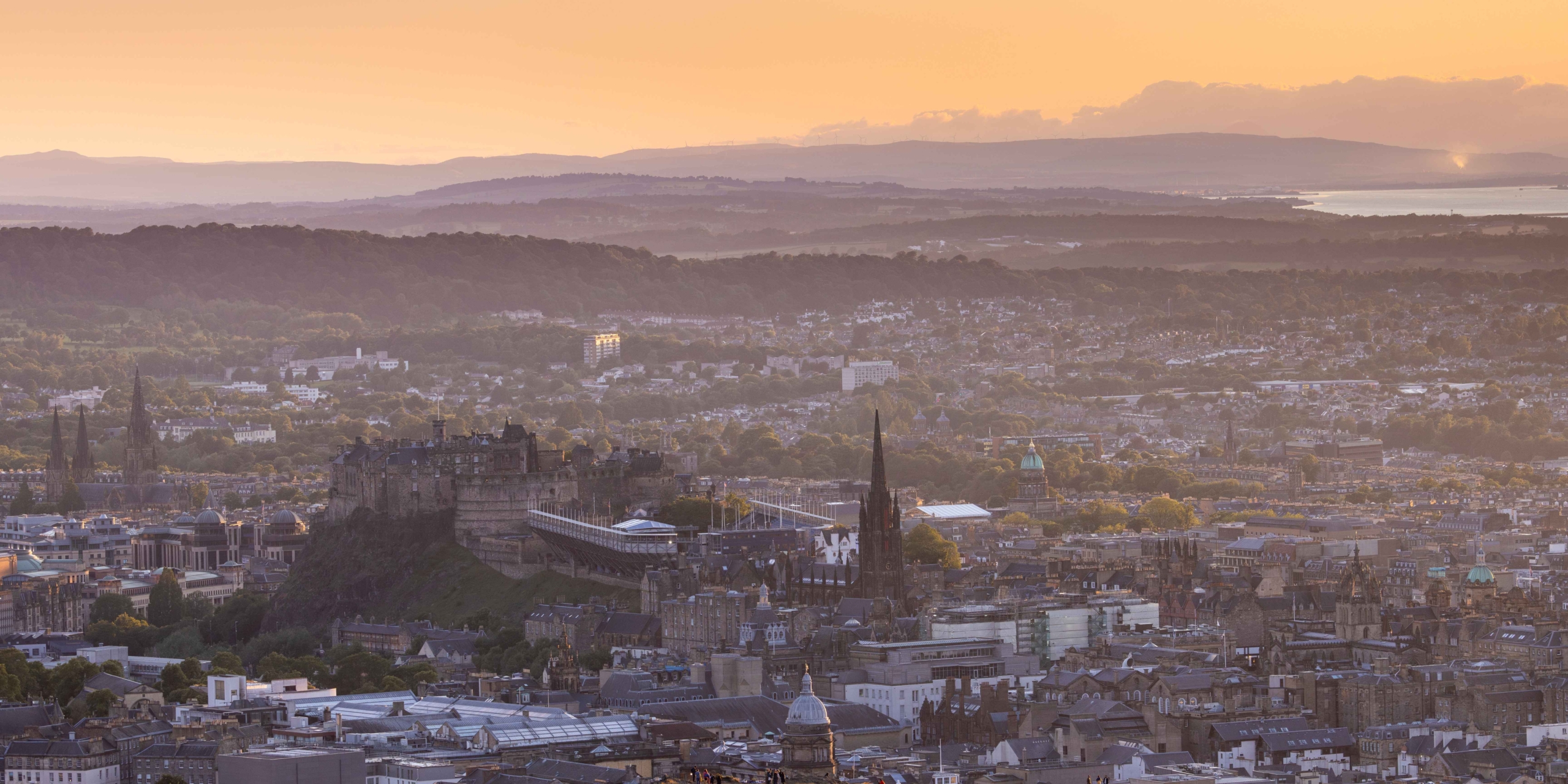
Accessible travel writer, Carrie-Ann Lightley explores Edinburgh, a city not famed for being easy to get around, finding plenty to enjoy from the heights of the castle to the sands of the beach, with a little whisky in between.
I used to think of Edinburgh as a city I had to work around. The hills, cobbles and centuries old buildings made me expect every day to involve compromise. Several visits later, I know it differently. I still plan carefully, but I also know where the city opens up: a castle that helps wheelchair users reach its upper areas, a royal yacht with lifts between decks, gardens where the noise drops away and even a beach where specialist wheelchairs can take you onto the sand.
That mix is what keeps me coming back. Over three days, I’d combine the places that make the city unmistakably Scottish with time by the water and some quieter spaces in between.
Day One: Edinburgh Castle, the Royal Mile and whisky
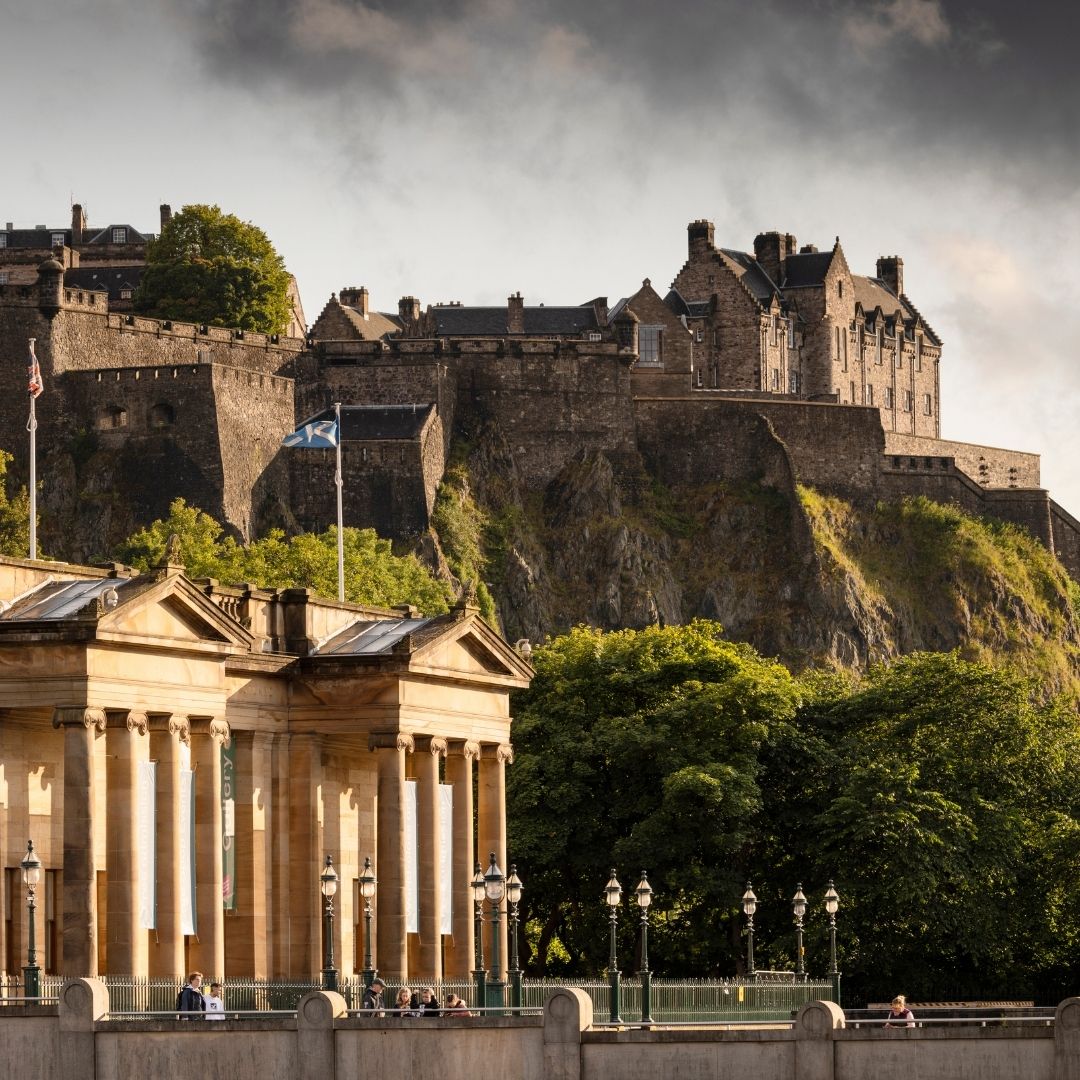
Start at Edinburgh Castle, right at the top of the Royal Mile. The approach across the esplanade is steep and cobbled, but a mobility vehicle can take disabled visitors from the entrance to Crown Square. Some historic areas are still reached by steps, so I prefer to choose what I most want to see rather than trying to cover every corner.
The setting makes the effort worthwhile. From high above the city, you can look across the rooftops towards the Firth of Forth and get a sense of how Edinburgh fits together before heading back down.
The Royal Mile itself can be hard work as a wheelchair user. There are steep gradients, uneven surfaces and busy pavements, especially around the most popular stretches. I find starting high and working downhill much easier. Take your time and watch the city happening around you, with bagpipers, buskers, street performers and visitors disappearing into narrow closes.
A short distance from the castle is The Scotch Whisky Experience. I’ve always enjoyed how interactive the tour feels. You learn how whisky is made, how the different regions influence flavour, and then get the chance to nose and taste a dram. Lift access connects the different levels and accessible toilets are available.
Stay for lunch at Amber Restaurant and Whisky Bar. The menu focuses on Scottish produce and whisky inspired flavours, with dishes such as haggis, neeps and tatties alongside seafood and seasonal options. The whisky list runs to hundreds of choices, but the staff are brilliant at helping you find something that works with your meal. You don’t need to arrive knowing your Islay from your Speyside.
Day Two: Leith and the seaside
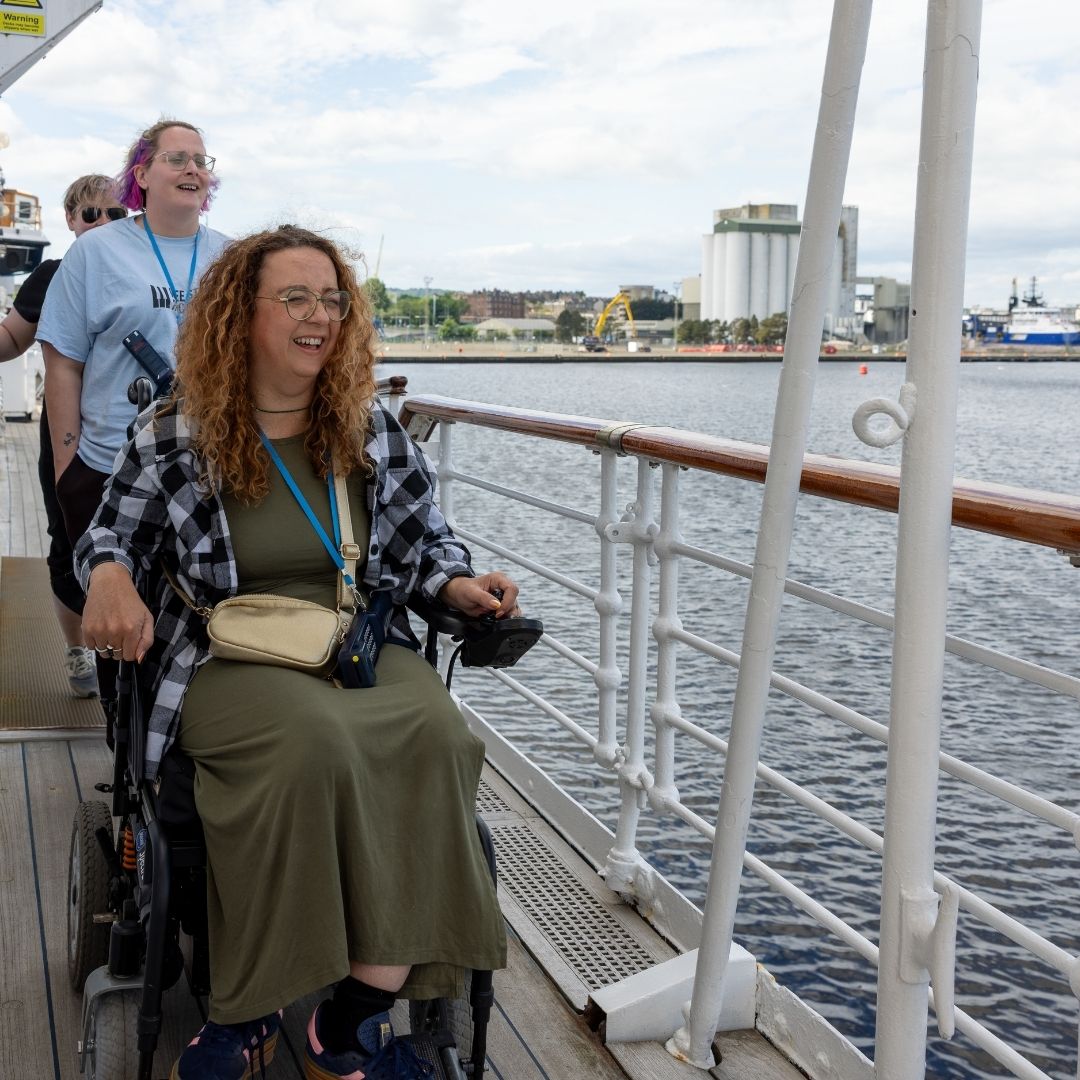
For day two, head towards the waterfront and The Royal Yacht Britannia, permanently berthed in Leith. Exploring a historic ship by wheelchair sounds like the sort of experience that could involve a lot of compromise, but Britannia surprised me.
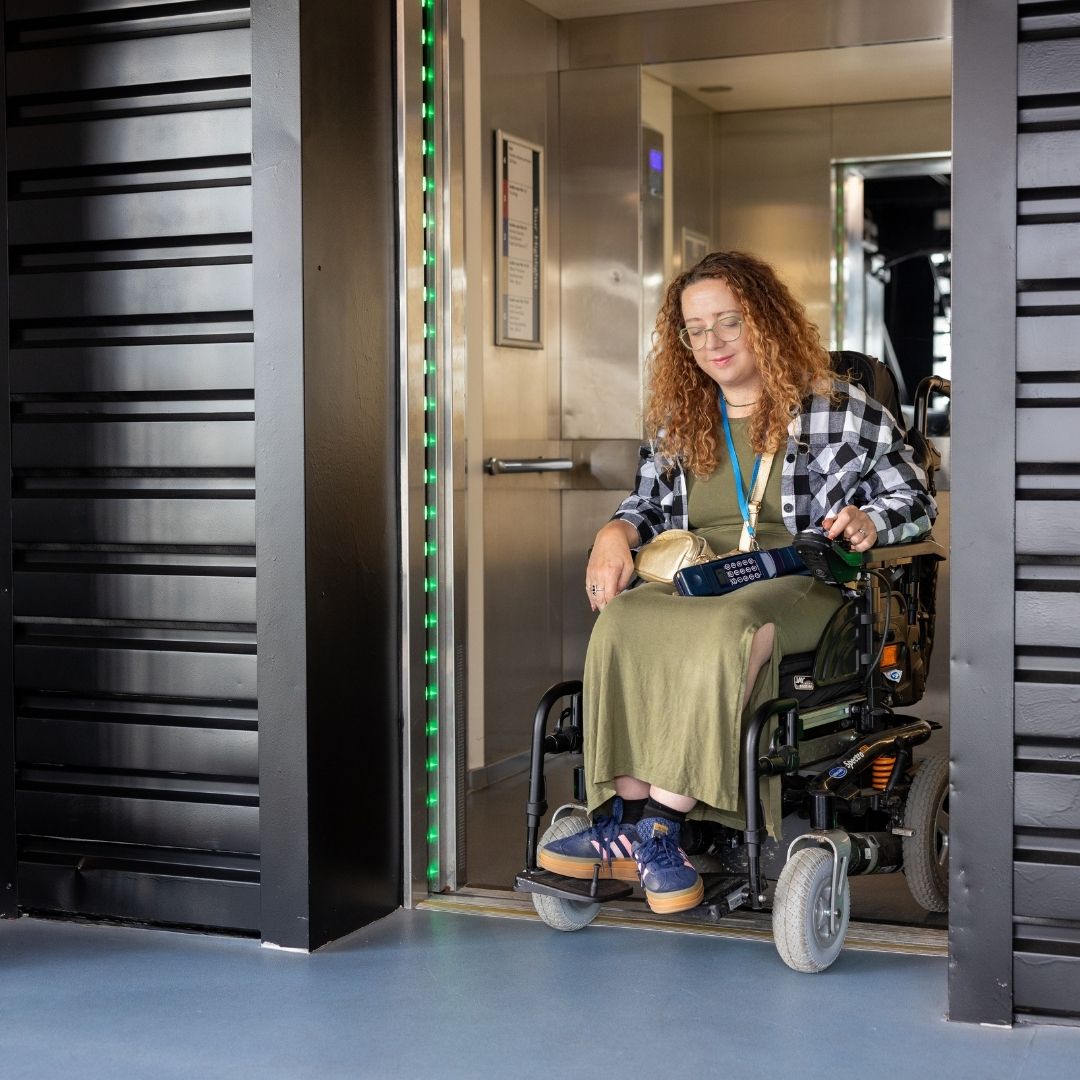
Lifts and ramps connect all five decks, so I’ve been able to follow the visitor route from the royal apartments into the working areas of the ship. The audio tour brings both sides of Britannia to life, from state visits and royal holidays to the lives of the crew below deck. Some passageways are narrow, so anyone using a larger wheelchair or scooter should check the dimensions before visiting.
Britannia is entered through Ocean Terminal, which is useful in its own right. There are lifts, accessible toilets and a Changing Places toilet, as well as somewhere to stop for a drink. Knowing there is somewhere easy to pause, use the facilities and reset can make a long day out much more enjoyable.
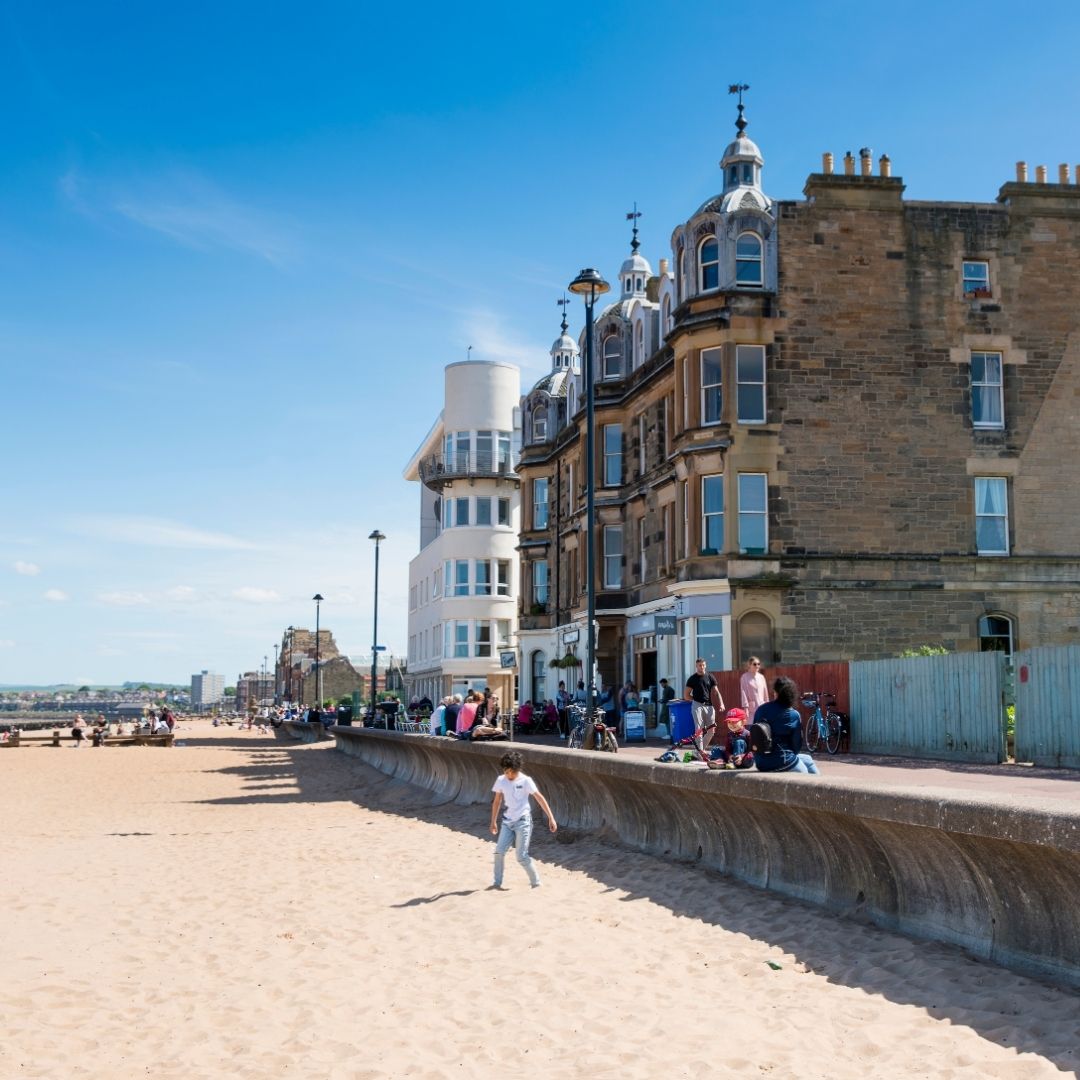
From Leith, continue along the coast to Portobello. The long promenade runs beside the Firth of Forth and feels completely removed from the bustle of the Old Town.
Beach Wheelchairs Portobello makes the seaside experience much more meaningful for wheelchair users. Specialist chairs can be booked free of charge, including a powered all terrain chair for exploring the sand and manual options that can go closer to the water. Being beside a beach and being able to get onto it are very different things. I love anything that gives disabled people the choice to leave the promenade behind and spend time on the sand.
Finish nearby at Portobello Beach Cafe and Bistro. The café is an easy place to stretch out the seaside part of the day, with views towards the water and a menu that includes fish and chips, seafood pasta and mussels.
Day Three: gardens, art and Scottish food
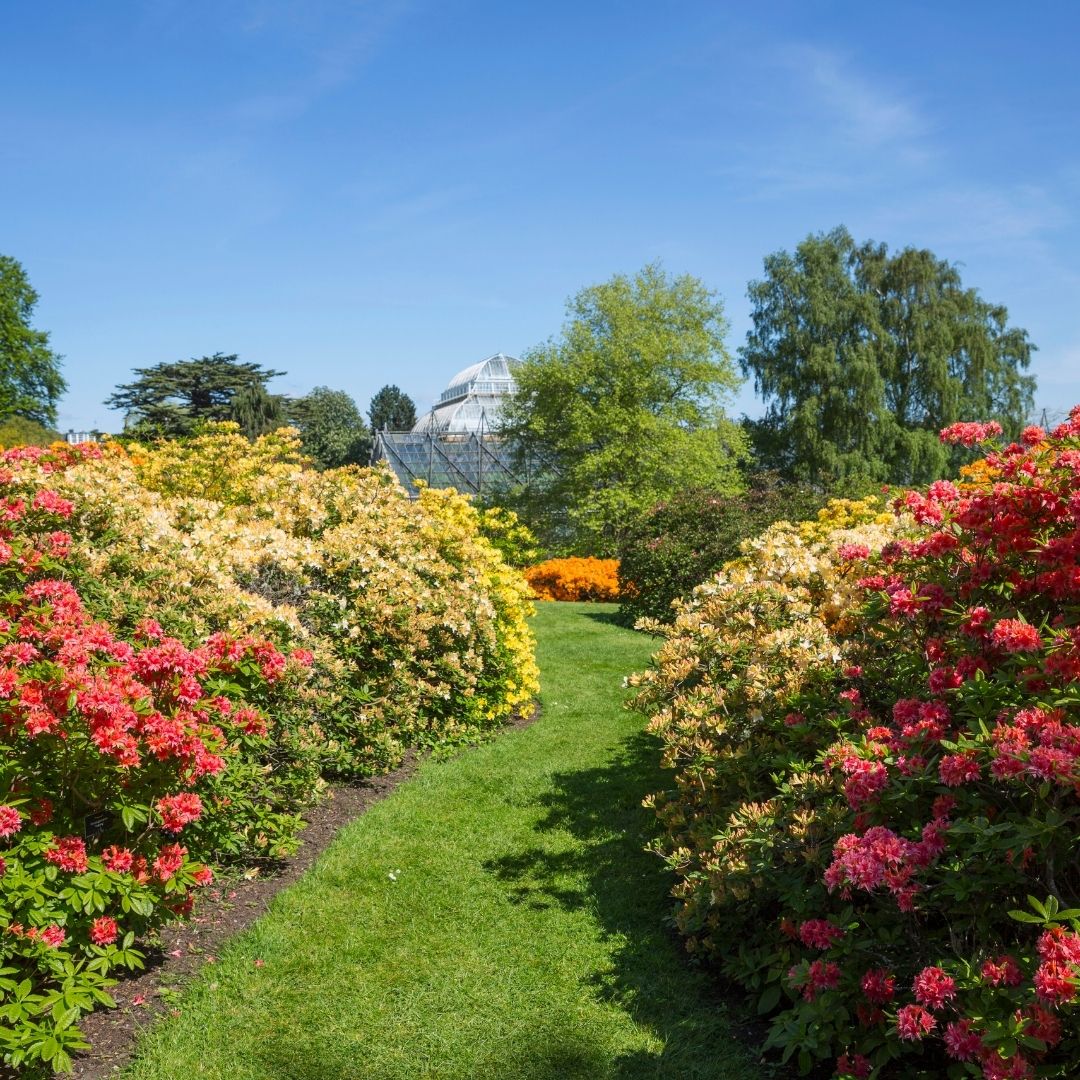
I’d make the final morning deliberately quieter at Royal Botanic Garden Edinburgh. The change of pace comes quickly. Streets and traffic give way to trees, lawns and wide open spaces, with no pressure to rush between sights.
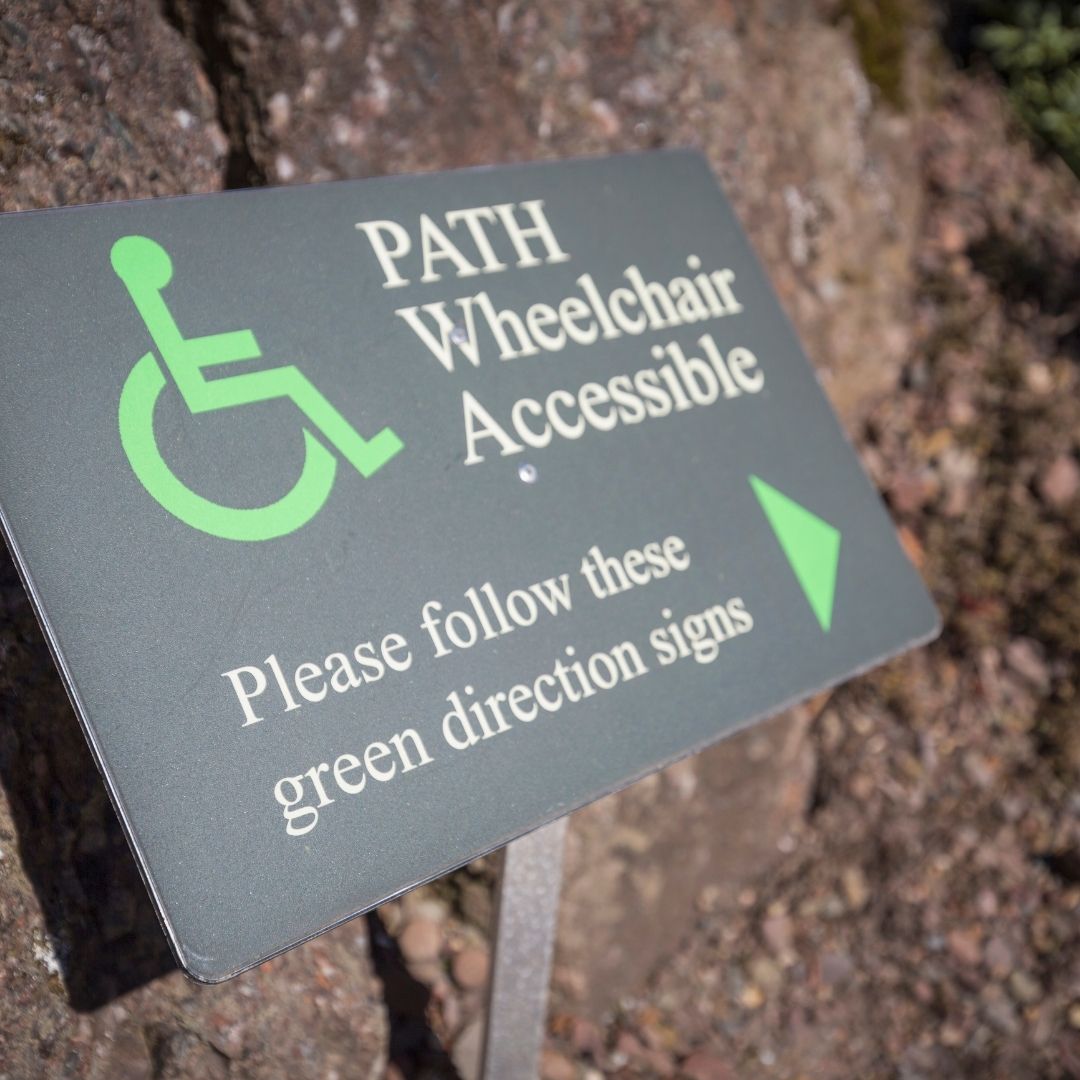
Much of the garden can be explored by wheelchair on tarmac paths. Accessible routes are signposted where steeper gradients and cambers make other paths more difficult, and wheelchairs and mobility scooters can be borrowed free of charge. Benches are dotted throughout the grounds, too.
The practical access helps, but what I really love here is the breathing space. Edinburgh can feel intense when the centre is busy, and the Botanics gives you somewhere to slow everything down for a while.
In the afternoon, return to the city centre for the Scottish National Gallery. The permanent collection is free, with Scottish and European art spread across the galleries. A gently winding step free path leads to the main entrance from East Princes Street Gardens, and there are lifts and accessible toilets inside.
I like pairing the gallery with the gardens outside. You can spend an hour with the paintings and then emerge into one of those views that could only really belong to Edinburgh, with the castle rising above the city.
Finish at Howies Waterloo, set inside a spacious Georgian building near Calton Hill. Howies has long been one of my recommendations for trying Scottish food without spending a fortune. Haggis, neeps and tatties and Cullen skink sit alongside seasonal Scottish meat, fish and vegetarian dishes, and the dining room gives me plenty of room to manoeuvre my wheelchair.
Edinburgh still makes me think about gradients, surfaces and routes in a way flatter cities don’t. But those things no longer dominate how I remember it. I think about whisky over lunch, the lift doors opening onto another deck of Britannia, the sea at Portobello and the quiet of the Botanics.
Every visit seems to reveal another part of the city I can make my own. That’s what keeps bringing me back.
All photos of Carrie-Ann (c) Rachel Airey
Other photos (c) VisitScotland / Kenny Lam
This article was originally published in September 2026
Discover all of our places to stay in Edinburgh >
Want more travel inspiration? Get our email updates direct to your inbox >
Sign up >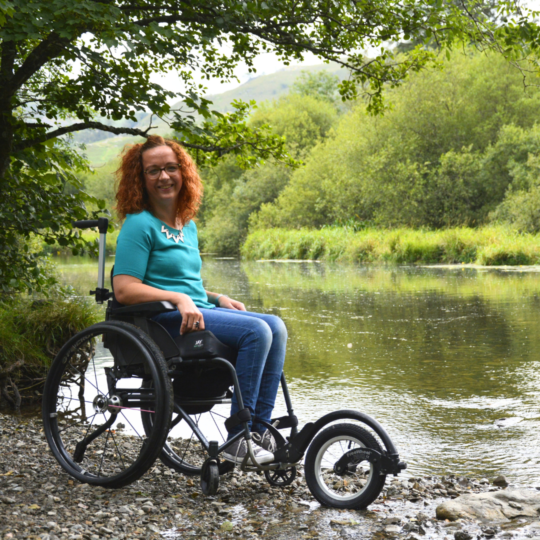
Carrie-Ann Lightley
Carrie-Ann Lightley is an award-winning accessible travel writer, speaker and content creator based in the Lake District. A wheelchair user who regularly explores the region, she writes about places where thoughtful design and genuine hospitality make it easier for disabled travellers to experience the landscape, from lakeside paths to welcoming cafés and village stays. Her work has appeared in publications including The Telegraph, The Independent and Conde Nast Traveller. Through her writing, Carrie-Ann shares practical insight alongside a deep personal connection to the places she visits, helping readers discover a more inclusive way to experience the Lake District and beyond.
You might also like
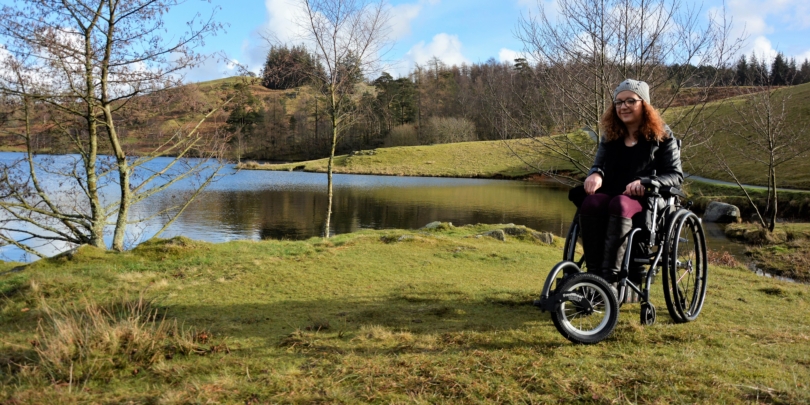
An accessible guide to the Lake District
Carrie-Ann Lightley
5 min read
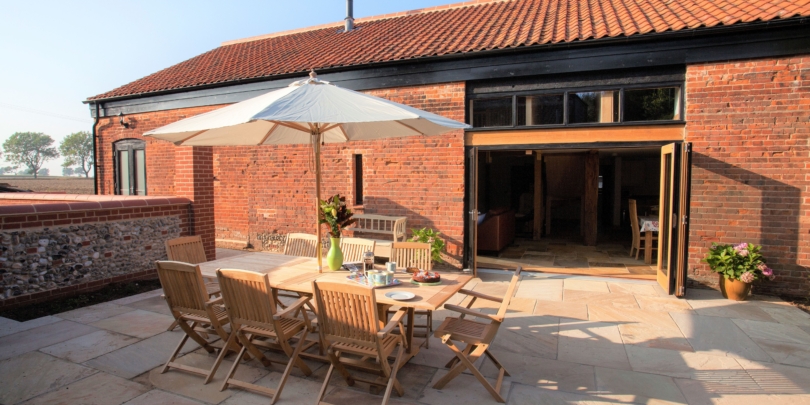
How to use our new accessibility filters

Christopher Wilson-Elmes
Sawday's Expert
5 min read
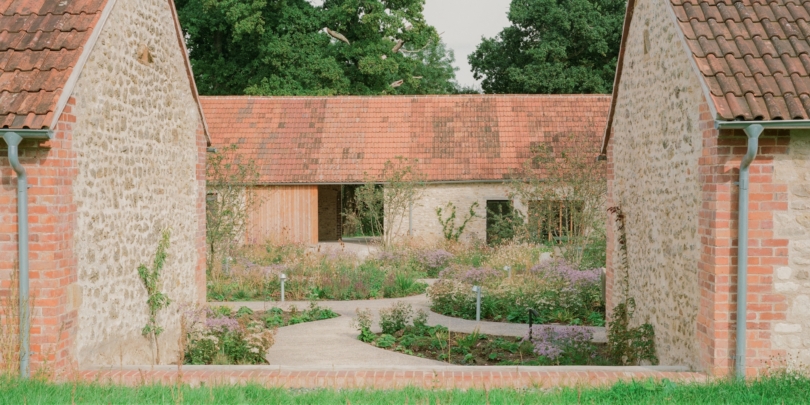
Holiday cottages for everyone – some of our most accessible places
Christopher Wilson-Elmes
Sawday's Expert
5 min read