
Italy pulses with passion for art, architecture, history, sport and food, with coffee vaunted in its own entirely separate category. The country’s 20 regions all have their own flavour and many are well-known travel destinations, so it can be hard to decide which to visit. We took a literal slant on the old mantra, "when in Rome..." and asked travel and lifestyle journalist Erica Firpo, based in the capital, where the Italians themselves go on their downtime.
Puglia – The Salento
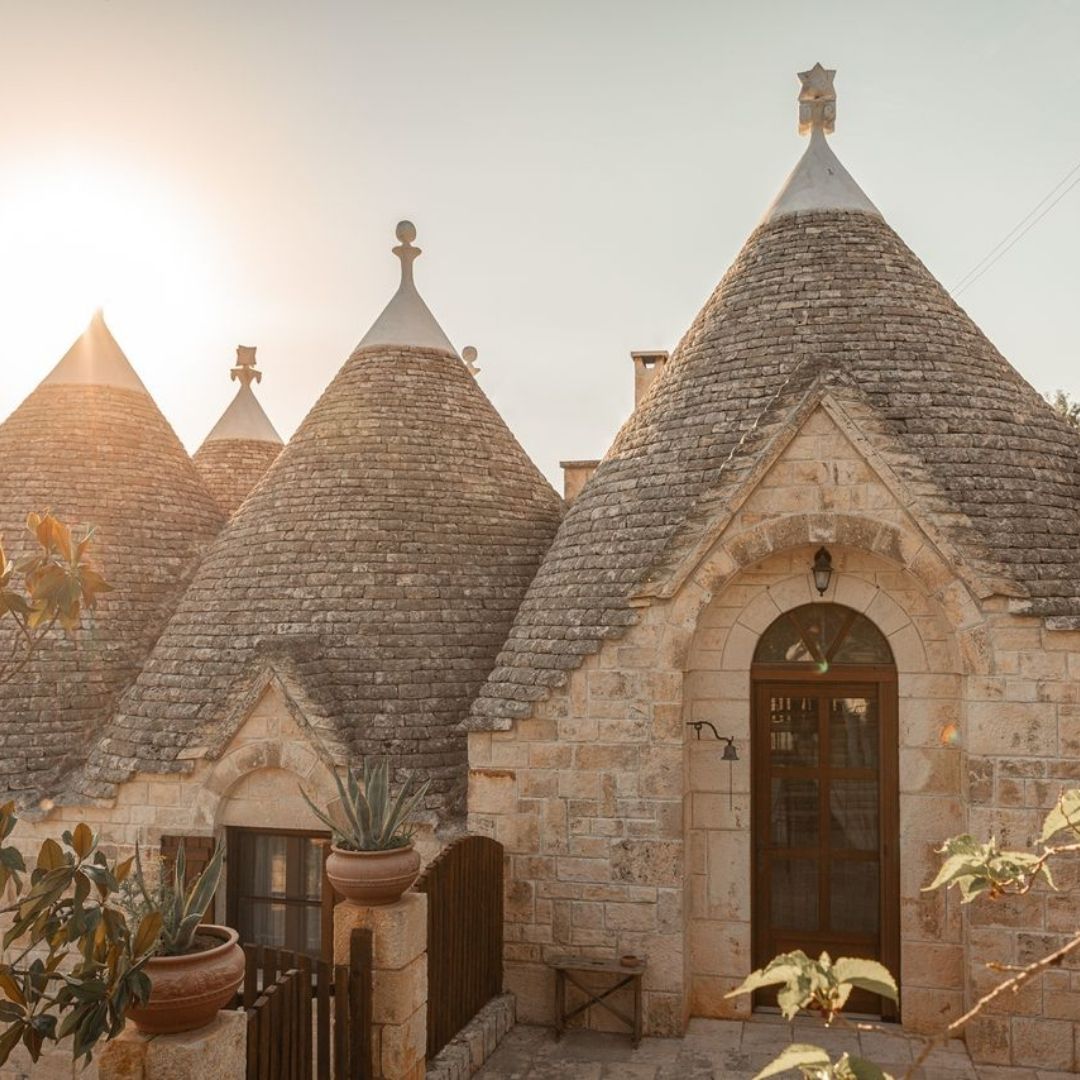
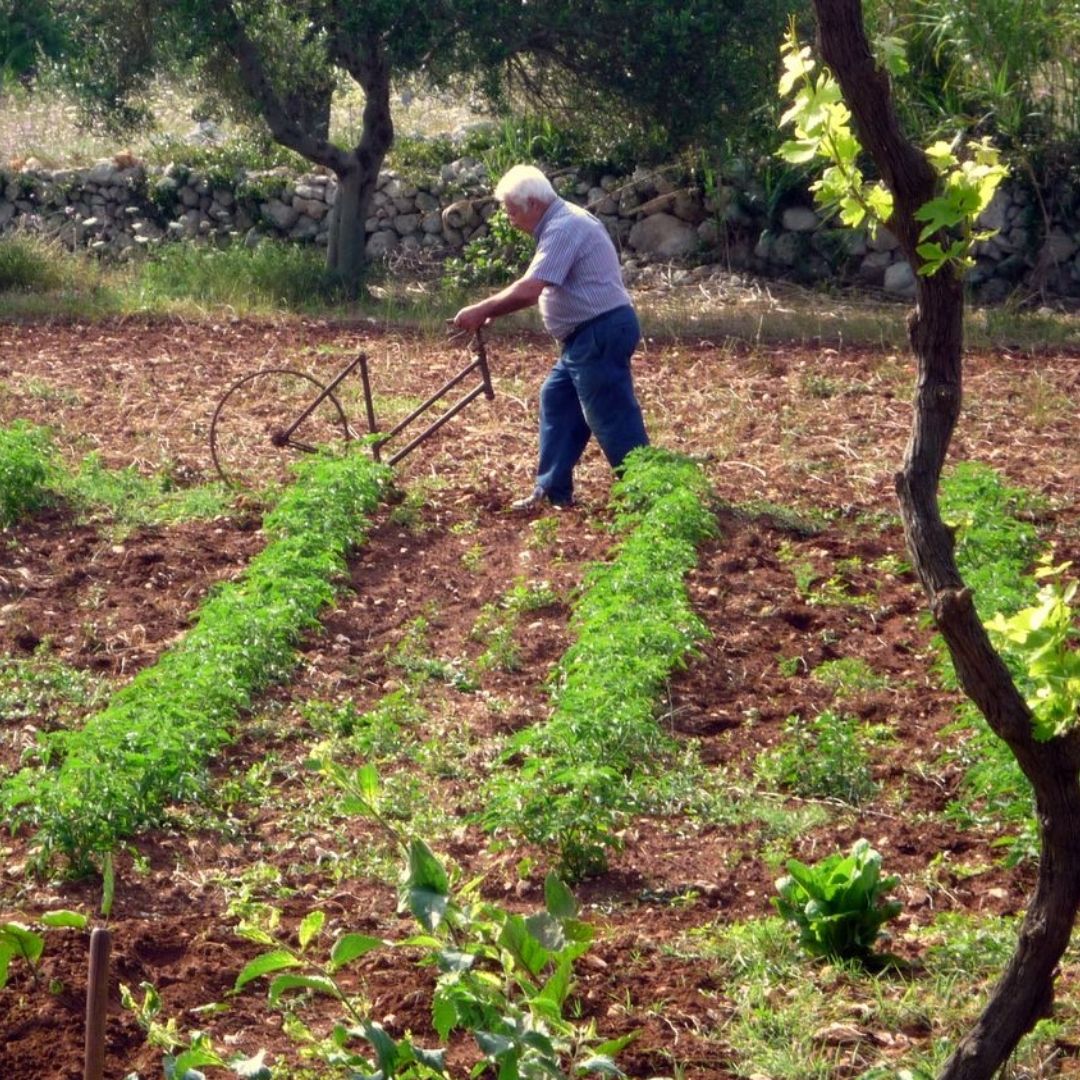
If there’s a place Italians cherish, it’s the Salento. The point of the heel of Italy, this is Puglia at its most best: bleached stone villages, Baroque bravura, miles of olive groves, all surrounded by two beautiful blue seas- the Adriatic and the Ionian. Lecce always gets the headlines for its honey-colored Barocco Leccese excess, and its fairytale architecture. Italians love the town for its slow rhythm of life: long lunches, and late evenings, and, of course, its close proximity to some of the prettiest beaches in the Salento.
What to Do and Where to Go
Base yourself near Lecce for culture, then roam outward. Start in town with Lecce’s churches and palazzi, all carved so intricately out of limestone that they resemble stone lace and then head to the coast. On the Adriatic side, Otranto is another fairytale town- this time a seaside fortress with castle, cathedral and ramparts. Beachcombers will love Torre dell’Orso and Baia dei Turchi. For some full southern charm, Santa Maria di Leuca is indeed the most southeastern point of the Salento peninsula and its where the Ionian and Adriatic meet. The Ionian side is softer, sandier: locals swear by Porto Cesareo beaches for clear shallows and lazy afternoons.
Inland, wander through villages like Specchia (which looks like a set from a turn-of-the-century period film) and Galatina ,whose Basilica of St. Catherine is a pilgrimage stop for lovers of frescoes and legendary tarantella cures. Local cuisine rules – eat a lot of burrata, rustici leccesi (puff pastry), frise (crunchy double-baked bread) and pasticciotti (a Lecce pastry) while hot, sip local rosato chilled to within an inch of its life, and stay late. That’s when Salento really kicks into high gear.
Explore our special places to stay in Puglia >
Piemonte Langhe – Monferrato – Roero
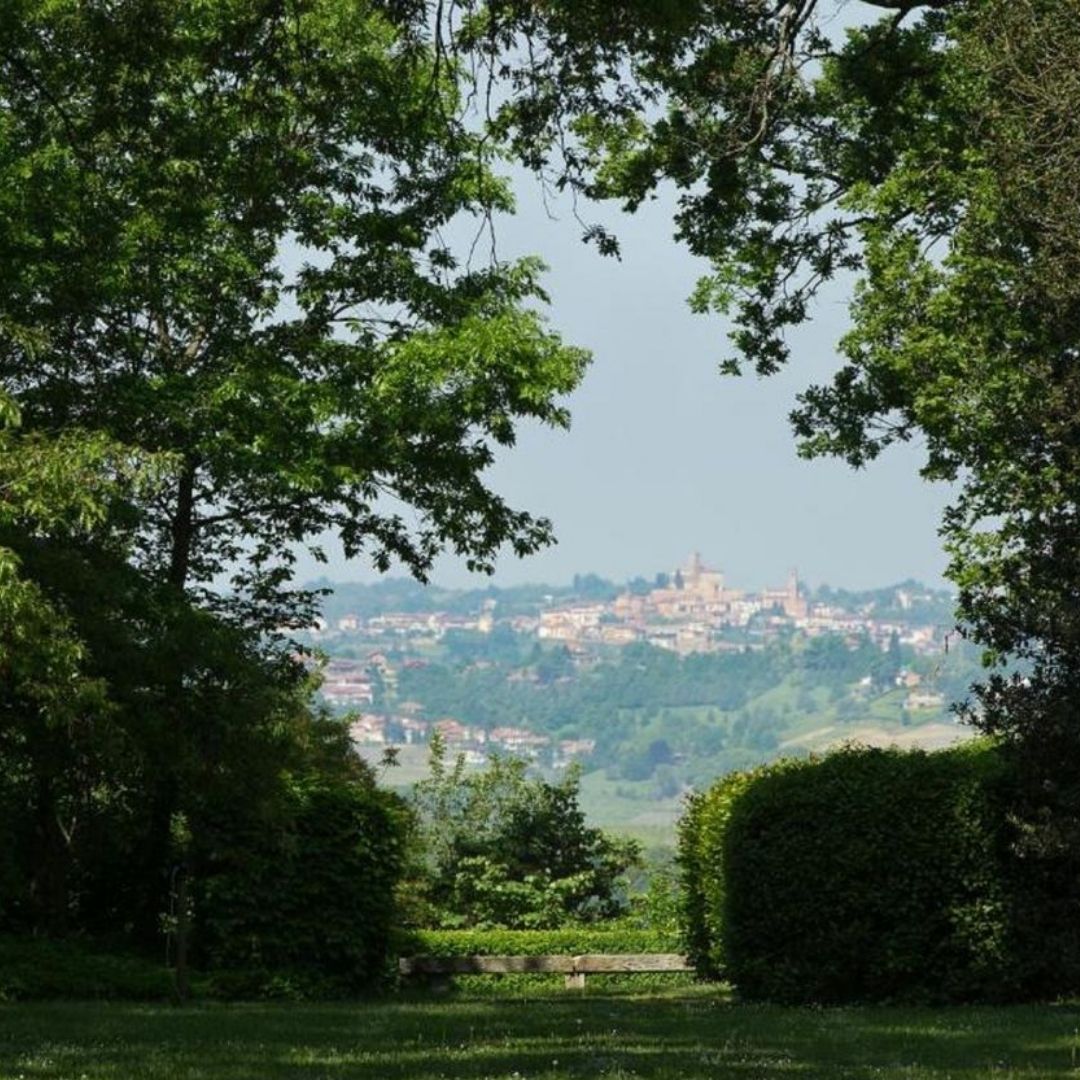
Piemonte is Italy’s sleeper region, an under-the-radar place with serious substance. It delivers on every level: landscape, food, wine, and art, without ever needing to shout. The Langhe – Monferrato – Roero countryside around Alba is where Italians go for laid-back elegance: vineyard-lined hills worthy of a postcard, truffle-scented autumns, site-specific contemporary art, and hill towns topped with castles. It’s deeply sensual, and never showy.
What to Do and Where to Go
Begin in Alba, a UNESCO-recognized Creative City for Gastronomy. This charming medieval town becomes the center of the culinary world each autumn during white truffle season, when its legendary fair transforms into a global food pilgrimage. But even beyond truffles, Alba delivers year-round pleasures: hazelnuts, tajarin pasta, ravioli di plin, vitello tonnato, and, wine, of course.
The surrounding Langhe – Monferrato – Roero hills, also a UNESCO World Heritage Site, are nothing short of spectacular. Barolo, Barberesco, Barbera, Dolcetto d’Alba, Nebbiola – yes, this is where your wine dreams come true. Explore the vineyards that produce some of Italy’s most revered wines. Or keep it simple with tastings at small, family-run cantine and trattoria.
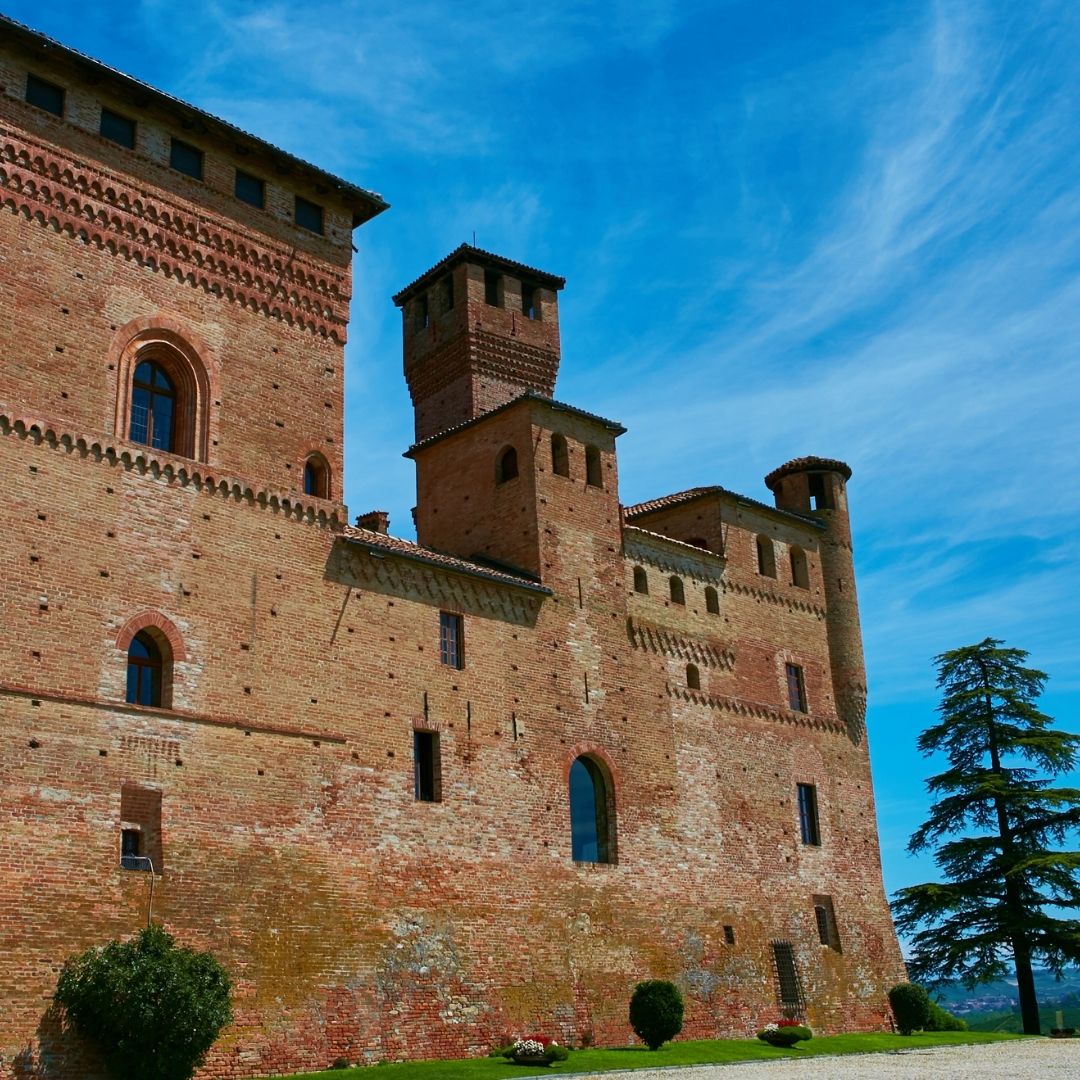
Between meals, plan for walks through the countryside to track down site-specific contemporary art like the bold Barolo Chapel (by Sol LeWitt and David Tremlett) and the Sandretto Re Rebaudengo Art Park. Castle-hop if that’s your thing (this is Piemonte, after all), starting with Grinzane Cavour Castle, and make sure to visit La Morra, Monforte d’Albe and Nieve, considered the most beautiful medieval towns in Italy.
Explore our special places to stay in Piemonte >
Monte Argentario
Let’s be honest, Monte Argentario isn’t really off the beaten path. Chic Romans, Tuscans and Milanese have been coming to the enchanting peninsula on the Tuscan coast for centuries. It’s a firm favourite for Italians because of its location and accessibility. It’s also perfect for outdoor lovers.
What to Do and Where to Go
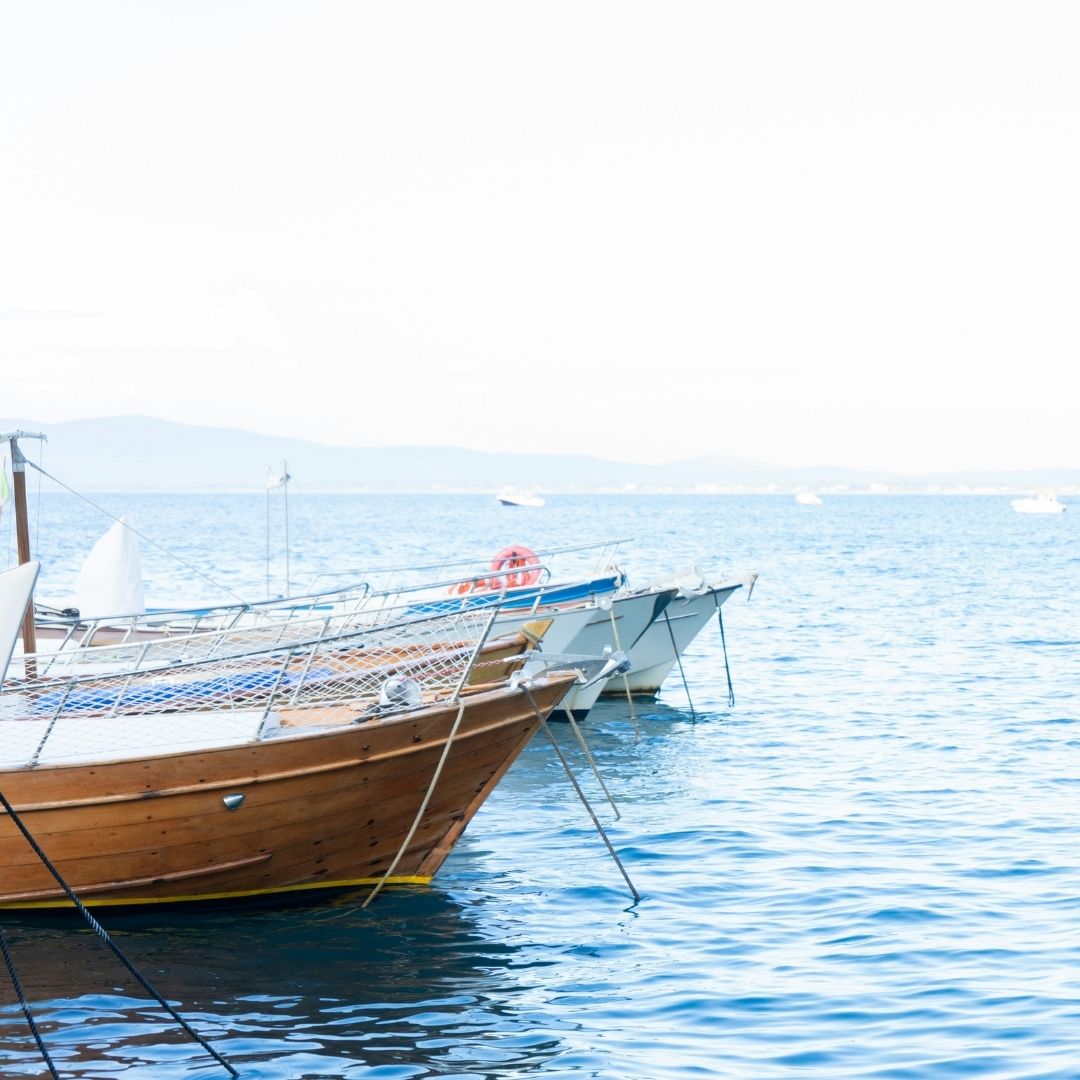
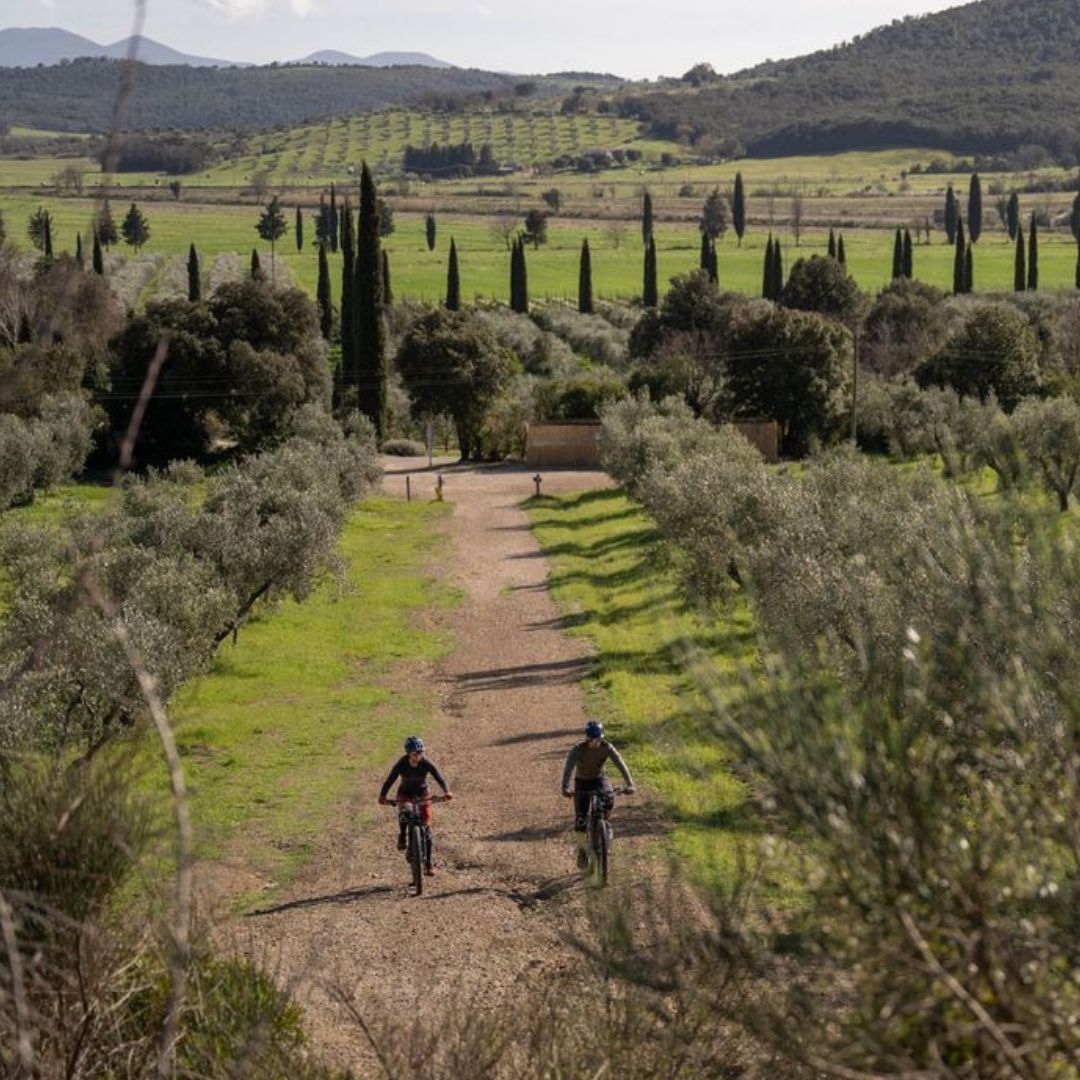
Practically an island in its own right, Monte Argentario has beautiful rocky beaches that are perfect for snorkelling. It’s mountainous peaks also means there are plenty of hikes and great lookouts waiting to be explored. Two protected reserves – Laguna di Orbetello (Italy’s oldest WWF oasis with nature walks) and Riserva Natural Duna Feniglia, a 7-km long straight perfect for a long walk or bike ride – border the narrow isthmus that links the island to the mainland.
If natural beauty lures us to Monte Argentario, it is accessibility to hidden escapes that make a staycation in Porto Ercole or Porto Santo Stefano (the town towns) so desirable. The close link to the mainland means easy country to off beat places like Il Giardino dei Tarocchi (artist Nikki de Saint Phalle’s technicolour sculpture garden), art retreat and winery Castello di Ama (or any winery, for that matter), and a visit to a butteri farm to see the butteri (historic Tuscan cowboys) are easy. Even better is the access to Giglio and Giannutri, two jewels of the Tuscan Archipelago, where you can escape to hidden beaches and hike across the tiny islands.
Explore our special places to stay in Monte Argentario >
Western Sicily
Sicily has been on the hot list for years for its incredible food, archaeology, architecture and culture, but the southeast still remains the road less travelled. By basing yourself on the Trapani coast, you’re in prime location for the variety that Sicily offers.
What To Do and Where to Go
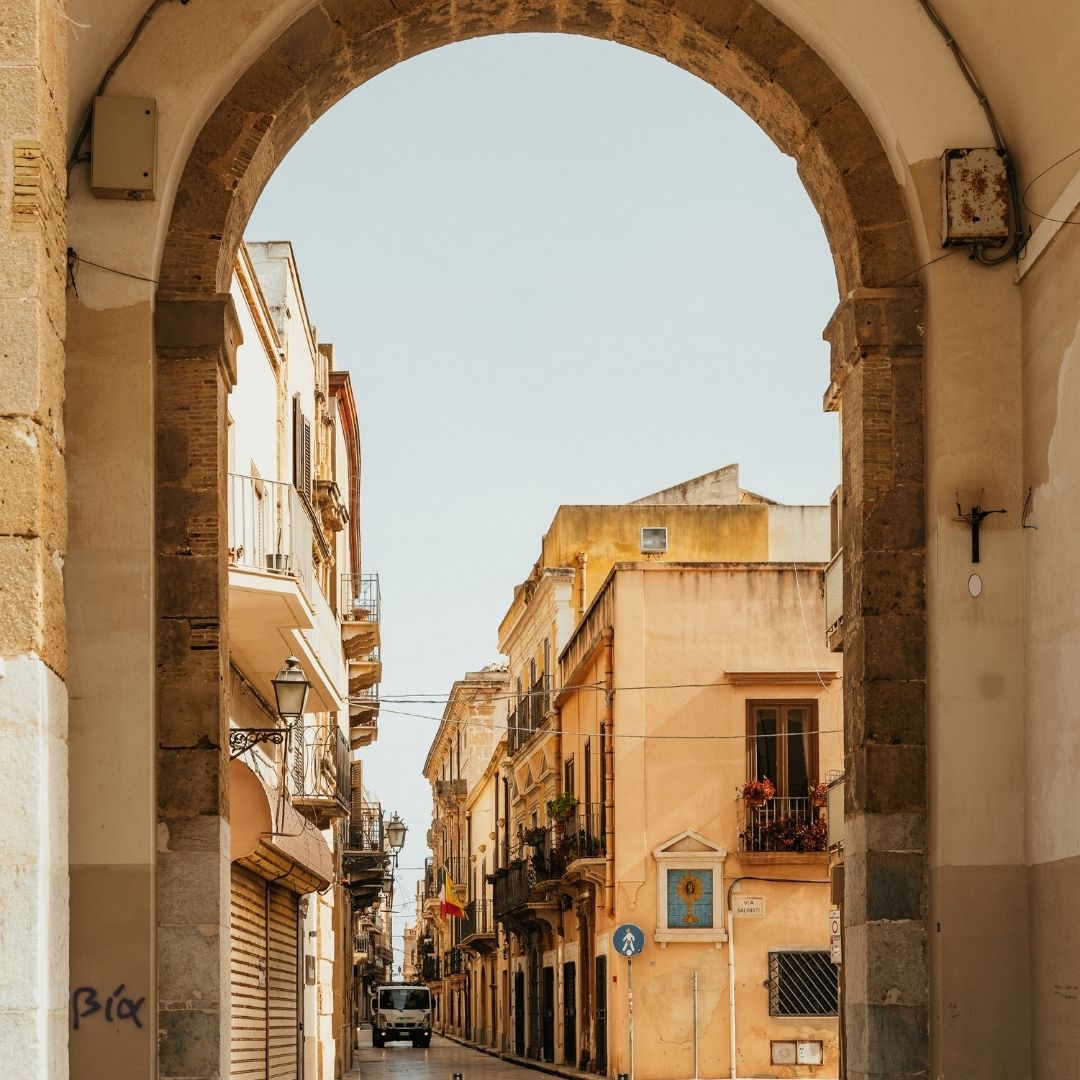
Adventurers of all kinds love the west coast because it’s here where you can traverse the millennia of history and culture – from the Phoenicians, Greeks and Romans to the Saracens and Normans, Bourbons, Aragons – in a single town. A walk through a town like Marzara del Vallo showcases ancient Greece and Rome ruins, Moorish ornament and architecture, Baroque fantasy and all the way to straight lines of 1930s rationalism.
History aficionados can explore past civilizations through the monumental Greek temples of Selinunte, Segesta and Agrigento, whose striking cliffside location looks over to ancient Carthage (Tunisia). You can also hike up the hill towns like Erice, walk the Baroque city of Marsala and visit ancient tonnare, tuna fisheries that dot the coastline. That’s all just scratching the surface too, and we haven’t even mentioned the stunning beaches and nature reserves…
Caponato, cannoli, cassata – every small town has its own delicacy whether sweet or savoury. You’ll find everything from cous cous from San Vito Lo Capo to red shrimp from Marzara del Vallo, the sweet wine of Marsala, the wines of nearby Menfi, and the pastries of Sambuca.
Explore our special places to stay in Sicily >
Alto Adige/Südtirol
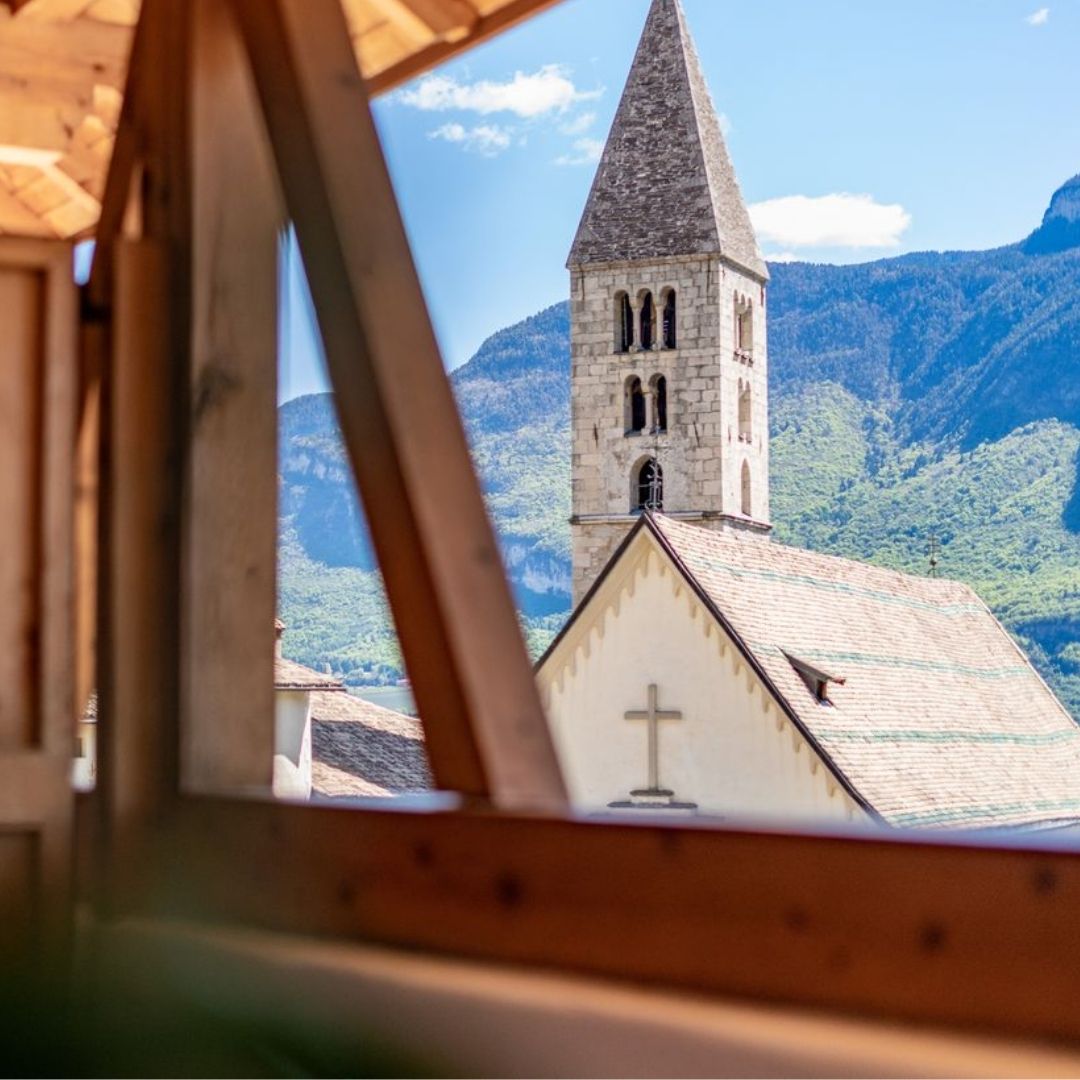
There are those who prefer the beach and those who like mountains, preferring brisk cool morning air as the ideal wake-me-up. If you’re the latter, then the destination to go to is the Alto Adige/Südtirol, Italy’s most north-eastern province and a beautiful escape any time of the year. In the winter, the Südtirol and its UNESCO World Heritage Dolomites are the scene for la settimana bianca (ski week). When the warm weather arrives, however, the Alto Adige dynamic changes completely. A little more quiet and a lot less busy with visitors, Südtirol seems reserved for those who prefer alpine breezes and uncrowded outdoors.
What to Do and Where to Go
Cycling, mountain biking, hiking, trekking, ziplining, think of any outdoor activity and you’ll find it. We’d recommend taking a drive to enjoy the scenery from Bolzano to Val Gardena’s Ortisei (where you’ll make home base) through to the Val Badia. Nature’s incredible landscape backdrop is mind blowing and will set the stage for whatever outdoor excursion you choose.
The Südtirol is a very different kind of Italy than what most are used to. It’s an overlap of cultures: Germanic, Ladin and Italian and intense history (the area only became part of Italy in 1918). To understand, start at the very beginning in Bolzano to Iceman, the Alto Adige’s most famous and oldest resident, a mummy from the Copper Age. Südtiroler Volkskundemuseum(Südtirol folklore museums focuses entirely on the province’s culture and tradition, and Ladin Museum concentrates the story on the Ladin population. Throughout the area are hidden castles and abbeys, such as Abbazia de Novacella, a 12th century abbey and winery. Alpinisti will want to make way to the gorgeous Zaha Hadid-designed museum at the peak of Plan de Corones, one of five Messner Mountain Museums and by far the most dramatic architecture and observation point.
View places to stay in Alto Adige >
Be the first to discover our newest places, and receive travel tips from our team of experts.
Sign up >Explore all our special places to stay in Italy >

Erica Firpo
Erica Firpo is a Rome-based travel and lifestyle journalist and podcast host who has spent years decoding Italy from the inside out. A regular contributor to The Washington Post, AFAR, Condé Nast Traveller, Cabana, Travel + Leisure, and The Guardian, she has written and edited more than 20 books, most recently The Italian Way (Random House Penguin).A longtime resident of Italy, Erica brings sharp local insight and an instinct for storytelling that captures the rhythm of place—where culture, food, art, and daily life intersect. She is the creator of Ciao Bella and the Ciao Bella podcast, a front-row seat to Italy’s creative world through conversations with chefs, artists, curators, and cultural tastemakers.
You might also like
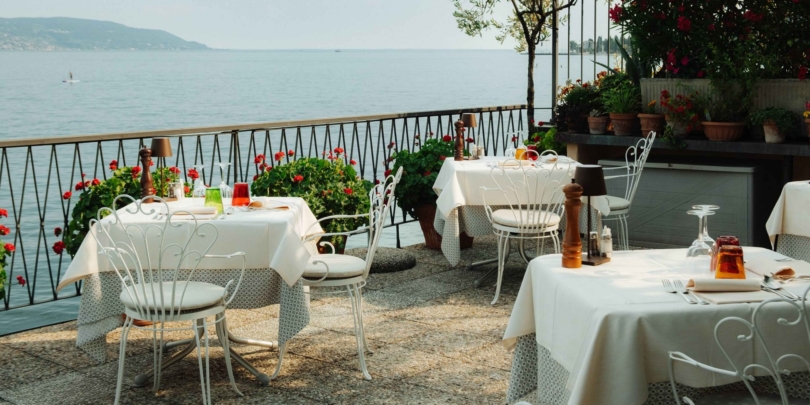
3 days in Lake Garda: Waterfront terraces, grand estates and superbly simple food
Valerio Arosio
5 min read
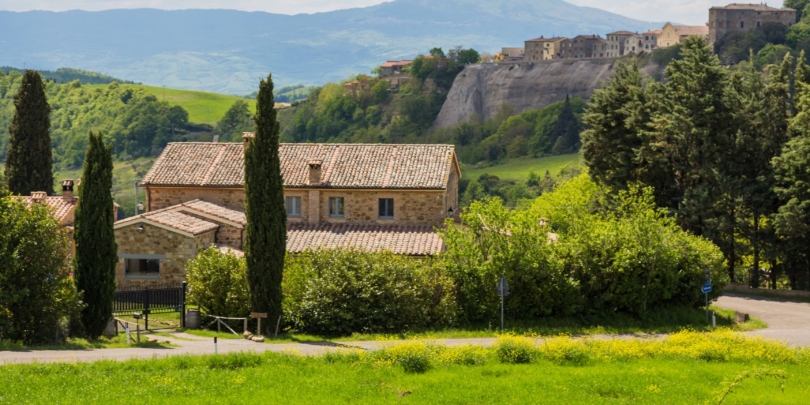
Wineries and vineyards: 7 Italian escapes for wine, warmth and welcome

Christopher Wilson-Elmes
Sawday's Expert
5 min read
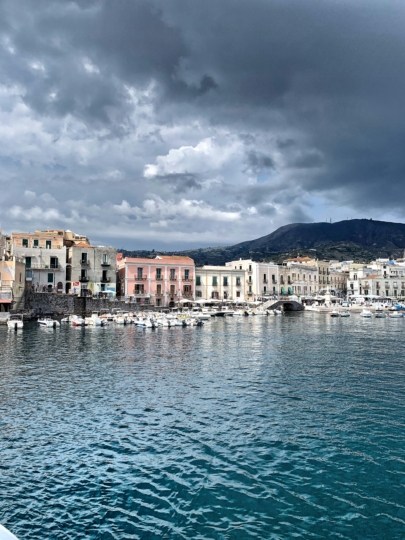
6 days in the Aeolian islands: Boats, beaches and volcanoes

Giuliana Di Venti
5 min read