La France Profonde: Five regions for a deeper taste of rural life

Sawday's Expert
5 min read
France is many things, many countries all tied together by a few thin threads, each of which stands out more in some places than in others. My first instinct when thinking about La France Profonde is to imagine small rural communities, a simple lifestyle, earthy and grounded. But this is to ignore so much culture and tradition, woven into each area’s distinct identity. Here, I choose some of my favourite parts of the country, probably revealing my bias towards places where natural beauty and France’s passion for food stand out boldest in the fabric, but nodding here and there to compelling history and art. In each of them, you can discover something of La France Profonde, or at least one aspect of its full complexity.
Le Quercy
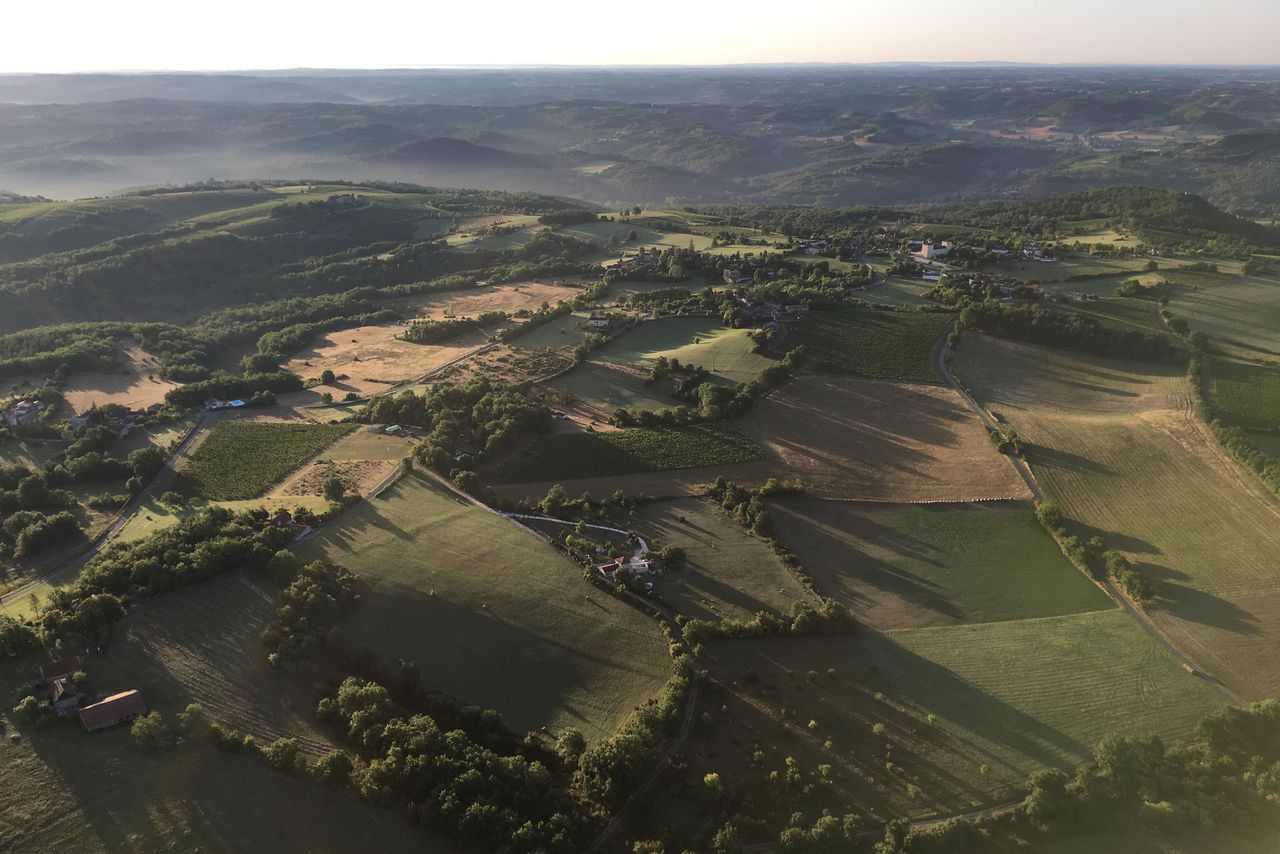
Le Quercy, deep in south-central France, feels forgotten by time. River gorges cut through white-stone hills, the winters are harsh, the walking incredible, with lung-busting climbs to Medieval villages where thick-walled castles overlook simple farmhouses clinging to hillsides. Many settlements have been left largely untouched and while this is partly due to the youth moving away to cities and a subsequent lack of development, these aren’t museum-like ghost towns.
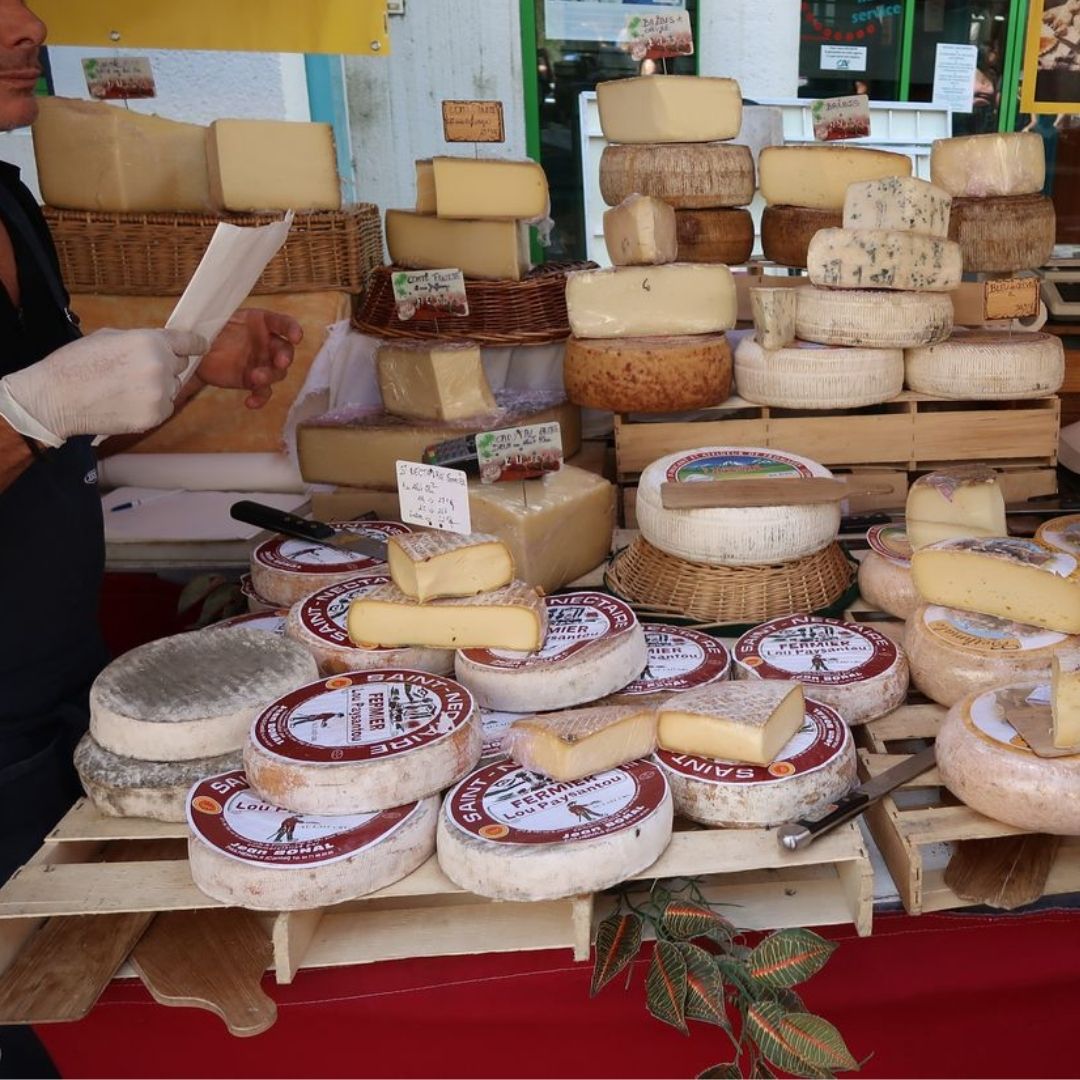
Communities thrive here, with a strong emphasis on local spirit and, quite wonderfully, local food. Think humble, hearty dishes like duck cassoulet, choucroute with goose confit, risotto aux girolles or cèpes du Quercy, Haricots Blancs cooked in duck fat! Basically, it’s not a great place to be a duck but it’s a very good place to be a hungry human. It isn’t all stews and simplicity either, with two Michelin-starred restaurants in the small town of Carjac alone being a testimony to the area’s strength of produce and passion for cuisine.
See all our places in Le Quercy >
La Touraine
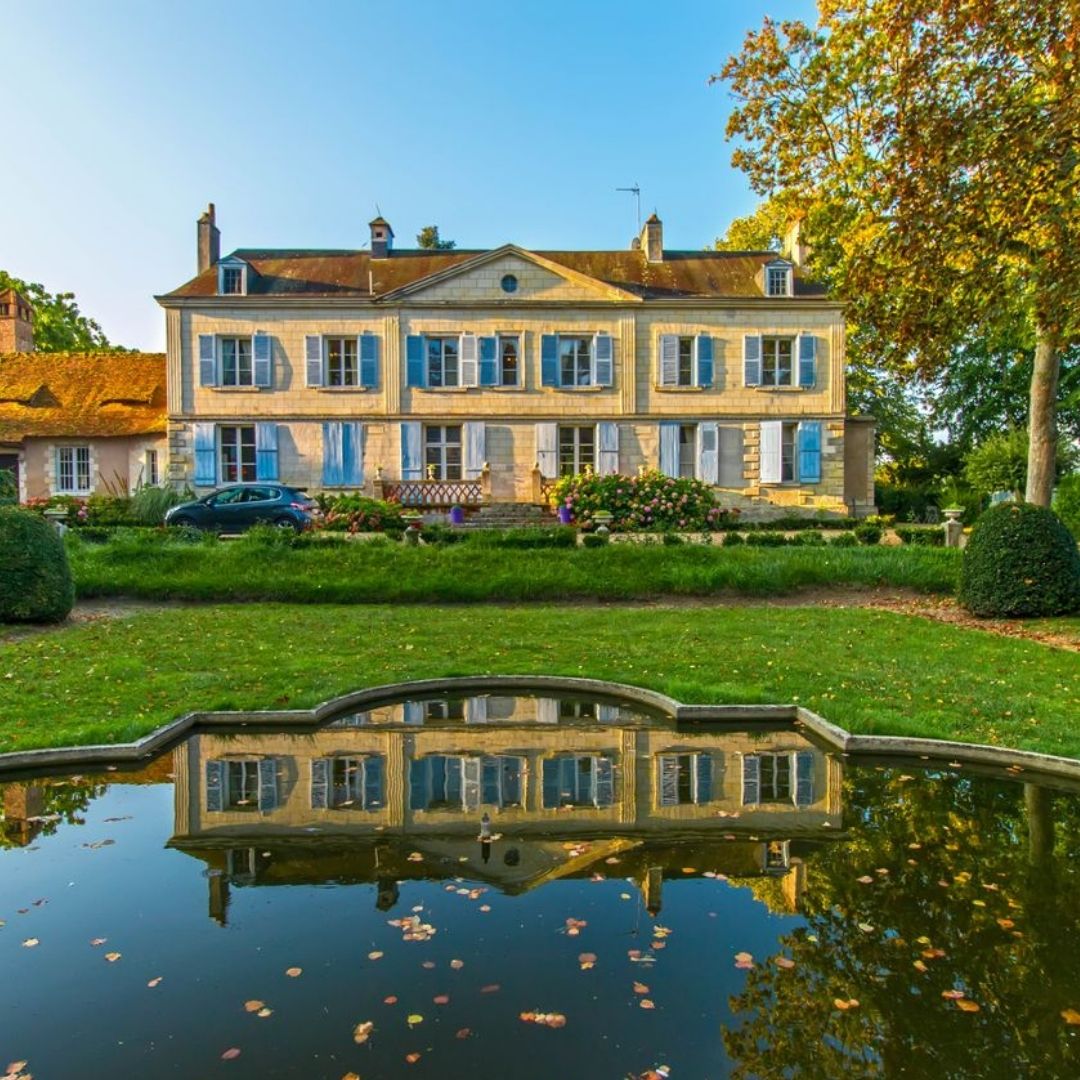
La Touraine is a smaller region of the Loire valley with the city of Tours, from which it takes its name, on its eastern edge. The attractions of Loire are legendary, with tourists flocking to its dreamlike châteaux with pinnacled dormer windows set in towers of white stone. Many were the homes of the kings of France, who each built their own palaces in an architectural arms race that leaves the countryside scattered with spectacular buildings and immaculate gardens. One of particular note is just outside Amboise, where Francis 1st returned from warring in Italy with Leonardo da Vinci in his entourage. He gave the elderly genius a home beside his own château and installed a tunnel connecting the buildings, so that he could pop across to spend time with the artist.
But beyond the grandeur lies an incredibly fertile land nicknamed The Garden of France by Rabelais, who was born in Chinon. Out in the countryside, soft, sparkling Crémant de Loire and light, fruity reds are made alongside delicate goats’ cheese and the food has the freshness and lightness of a spring day. Here you can rumble along the La Loire à Vélo bike routes, rummage in well-stocked flea markets and search out tiny corner cafés, living simply and slowly in gîtes where dust drifts slowly in the sunbeams.
See all our places in La Touraine >
Les Côtes-d’Armor
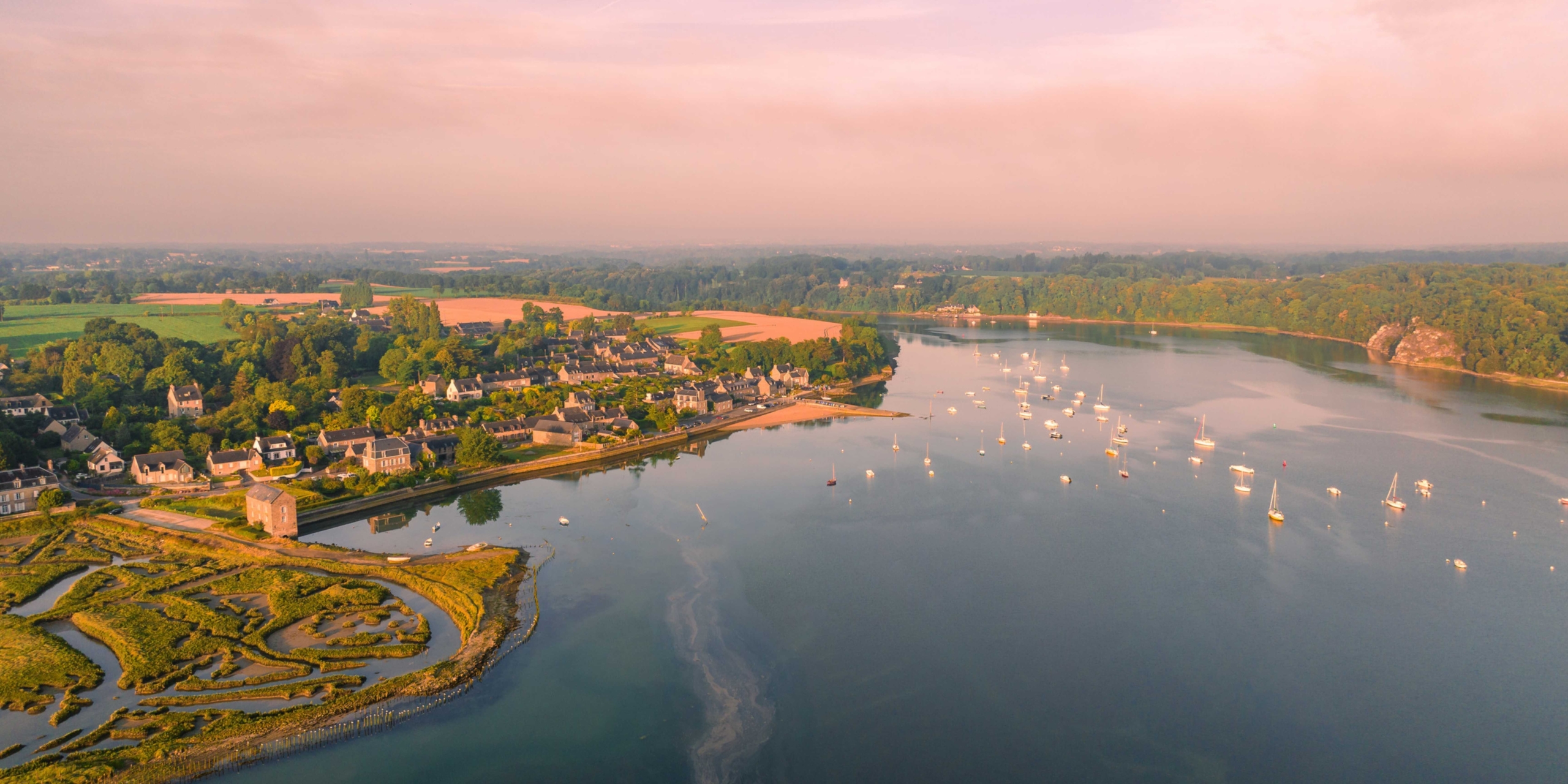
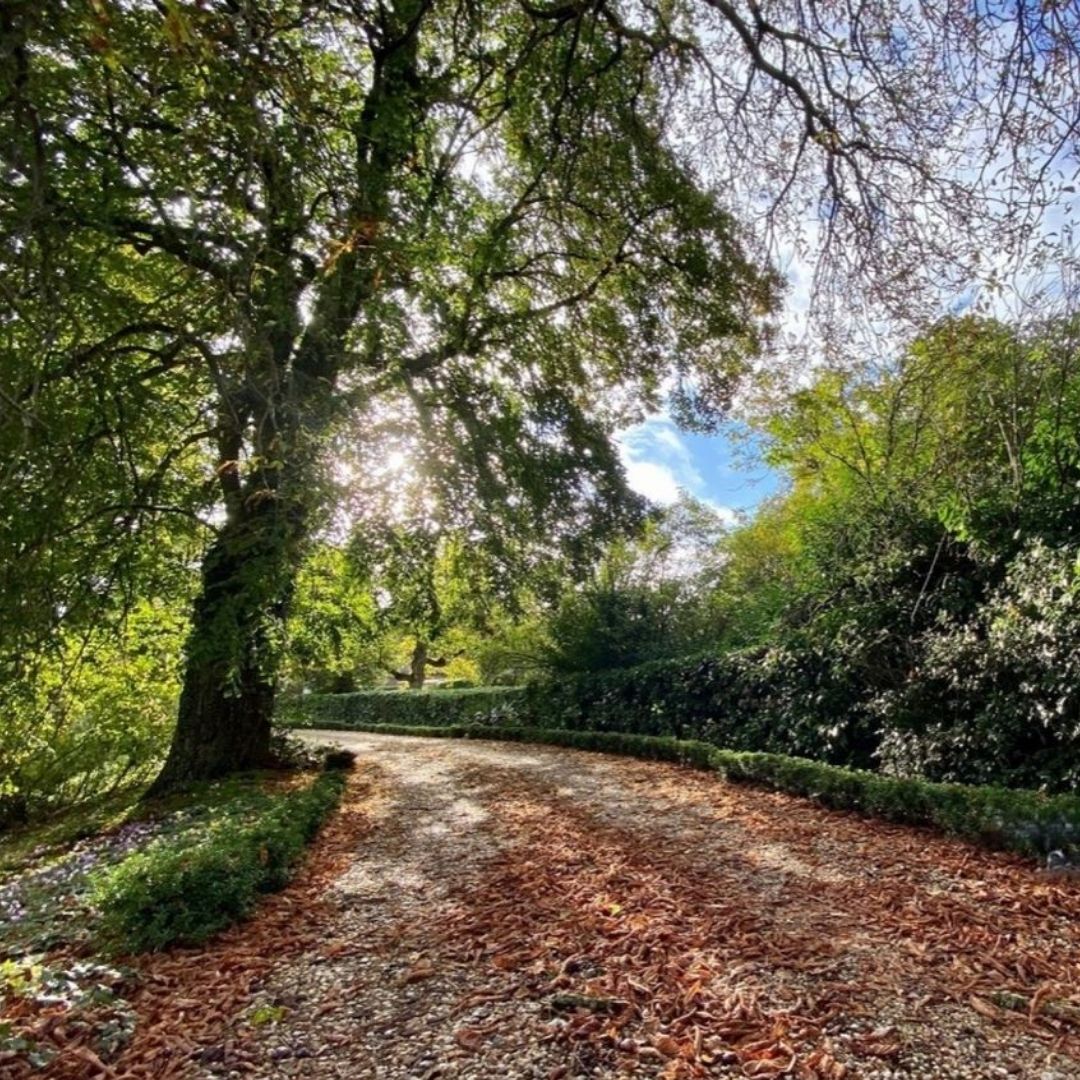
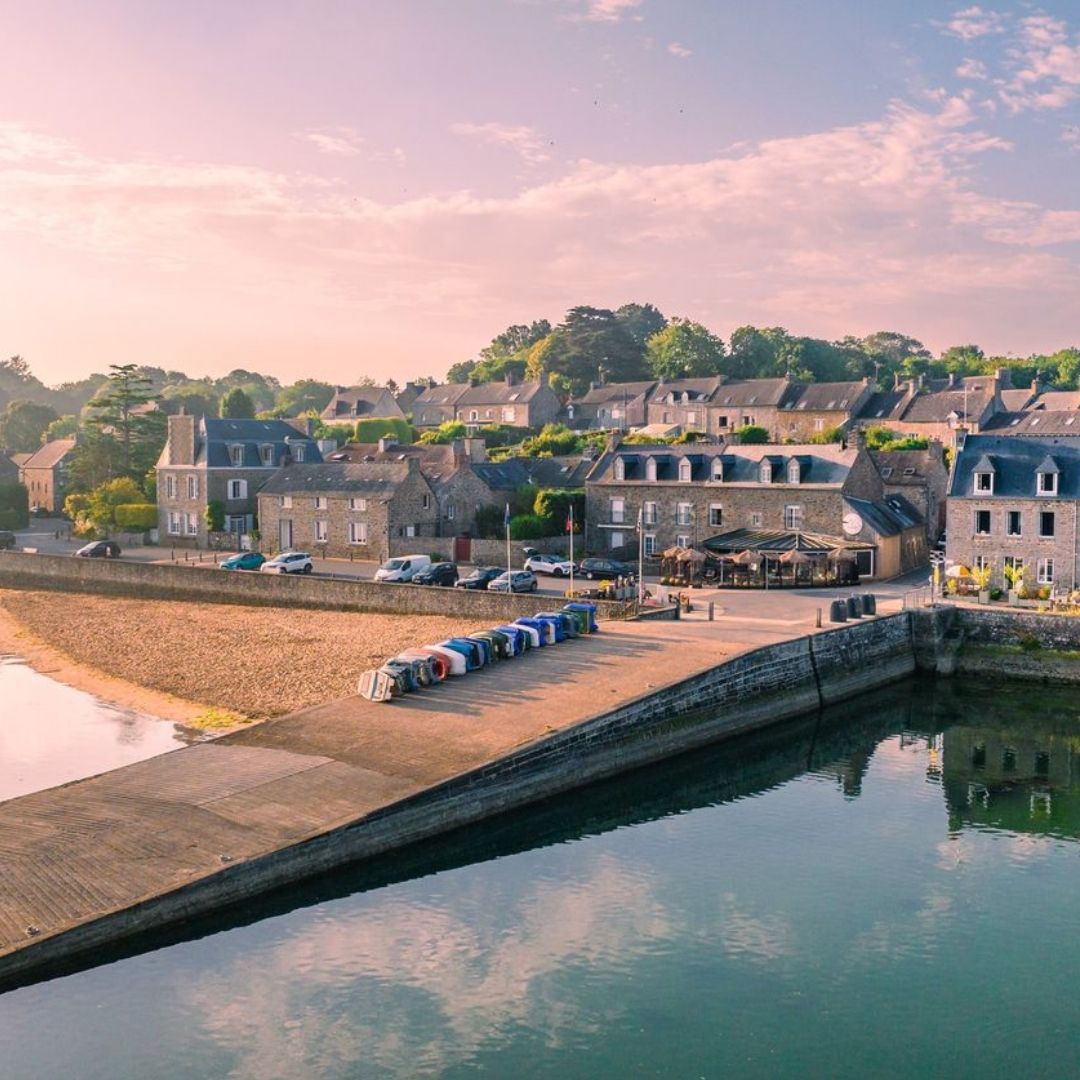
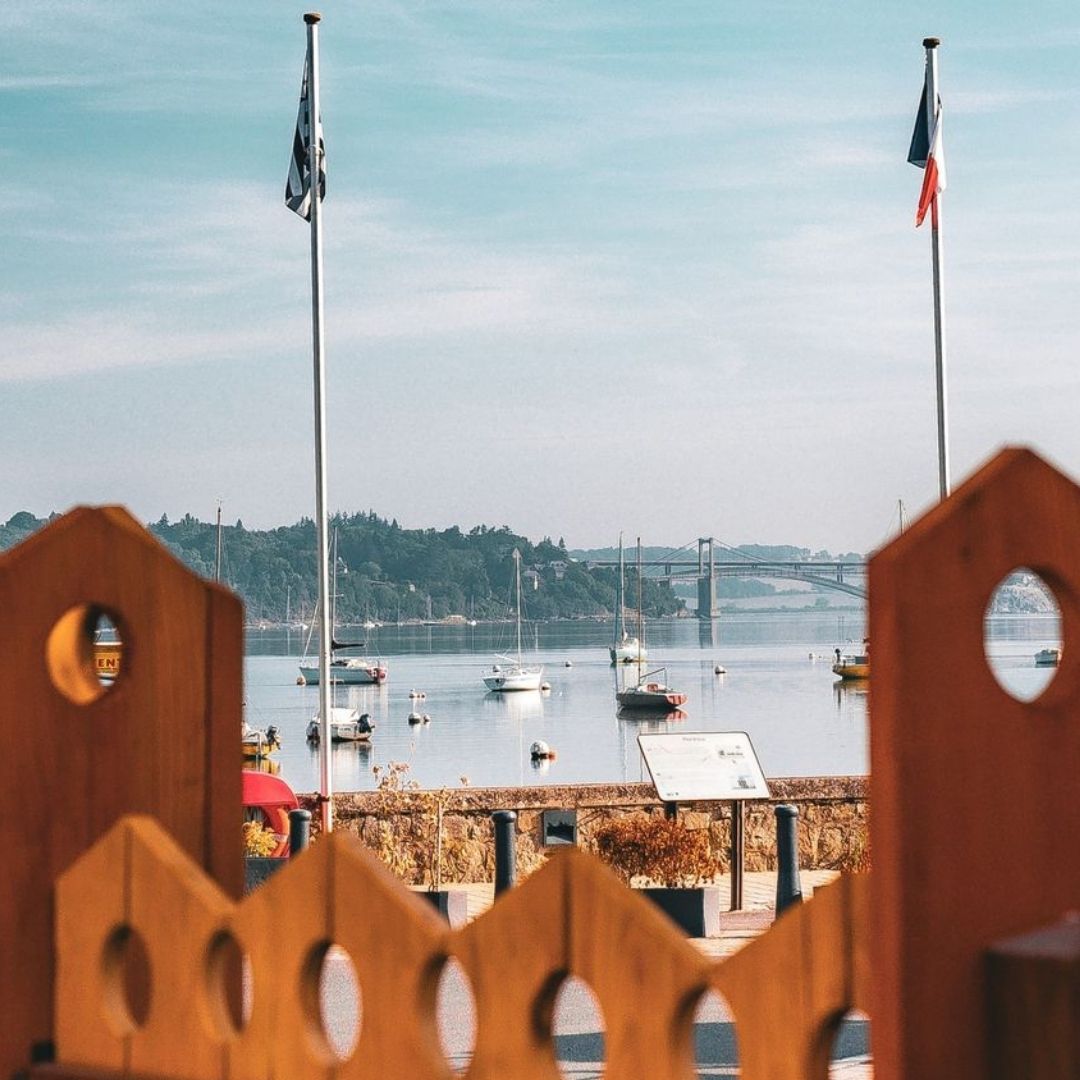
While much of the search for La France Profonde centres on the towns and villages that encapsulate traditional culture, Brittany’s Côtes-d’Armor is as much about experiencing the land itself. For the adventurous, sea kayaking along the base of the cliffs and landing in deserted coves is an unmissable experience, while there’s wonderful coastal hiking along The Customs Officers’ Path, once used by the eponymous officials as they patrolled for smugglers.
In the bay of Bréhat you can forage for wild oysters, while on the island of the same name, there’s a lovely walk to a lighthouse on a spur jutting into the channel. If you fancy some tamed nature, visit the lesser-known but still stunning gardens of Kerdalo and Le Kestellic, but simply wandering the wild countryside feels more in keeping with the spirit of the place. Everywhere you go, you can fuel your rambles with a solid (and solidifying) diet of Breton staples like salt caramel, galettes and cider.
See all our places in Les Côtes-d’Armor >
Arles
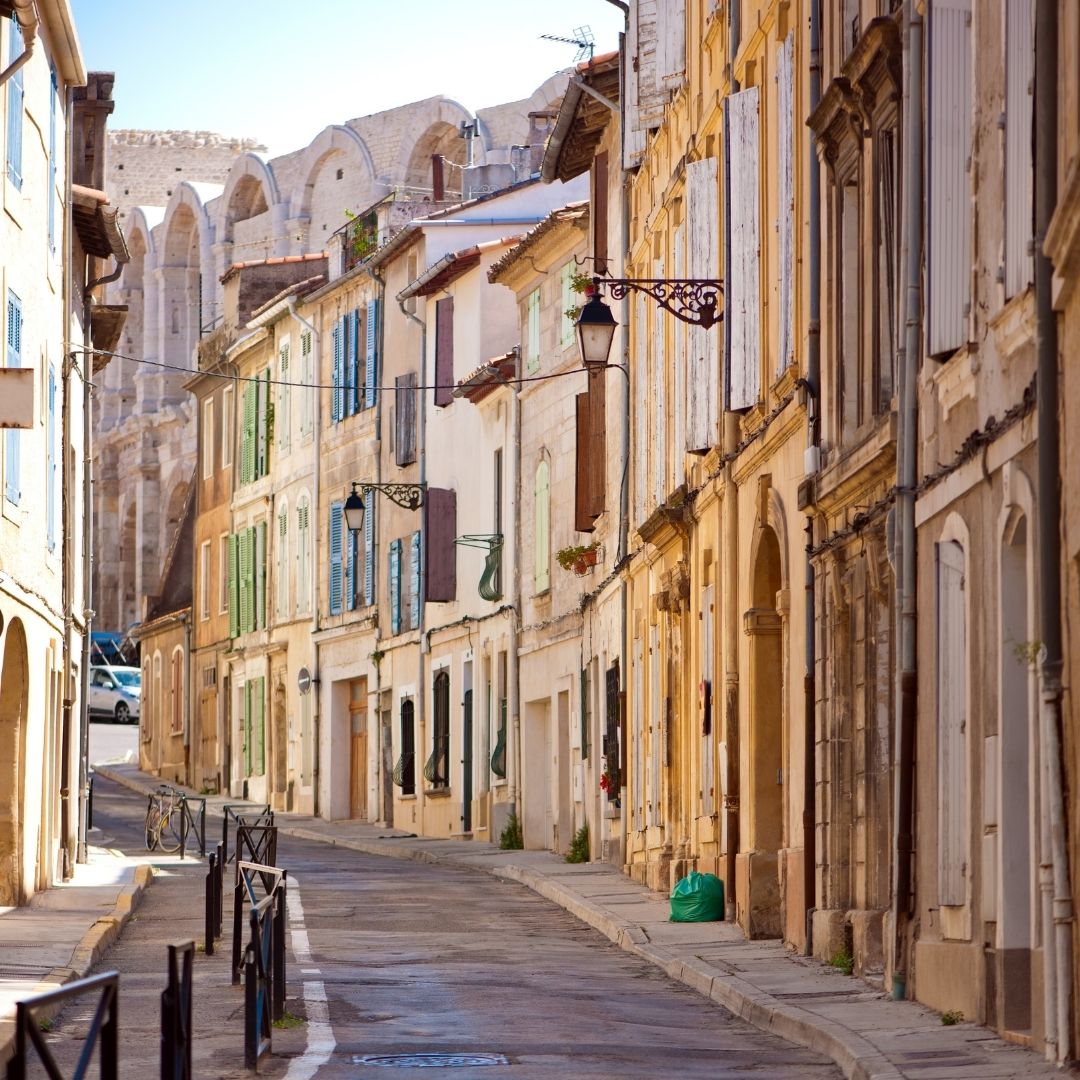
The exquisite and very authentic city of Arles is the hub of one of my favourite parts of the whole country. Arles itself is a place of wonderful restaurants, cafés, shops and, most importantly, museums and galleries. The Van Gogh museum, the Camargue museum and the recently opened Arles Antique Museum are all well worth a visit to give yourself an understanding of the history and culture of the area, but one particular place outside Arles is the living embodiment of one of its oldest communities.
For centuries, Les Saintes-Maries-de-la-Mer has been the spiritual home of the Romany. Feast days in May draw huge crowds to watch ancient ceremonies, while other events throughout the year celebrate the bulls and wild white horses that are both deeply embedded in the region’s identity. Attending any one of these gives you the chance to look back into the past and see its echoes all across Arles as you continue your exploration.
Ardèche
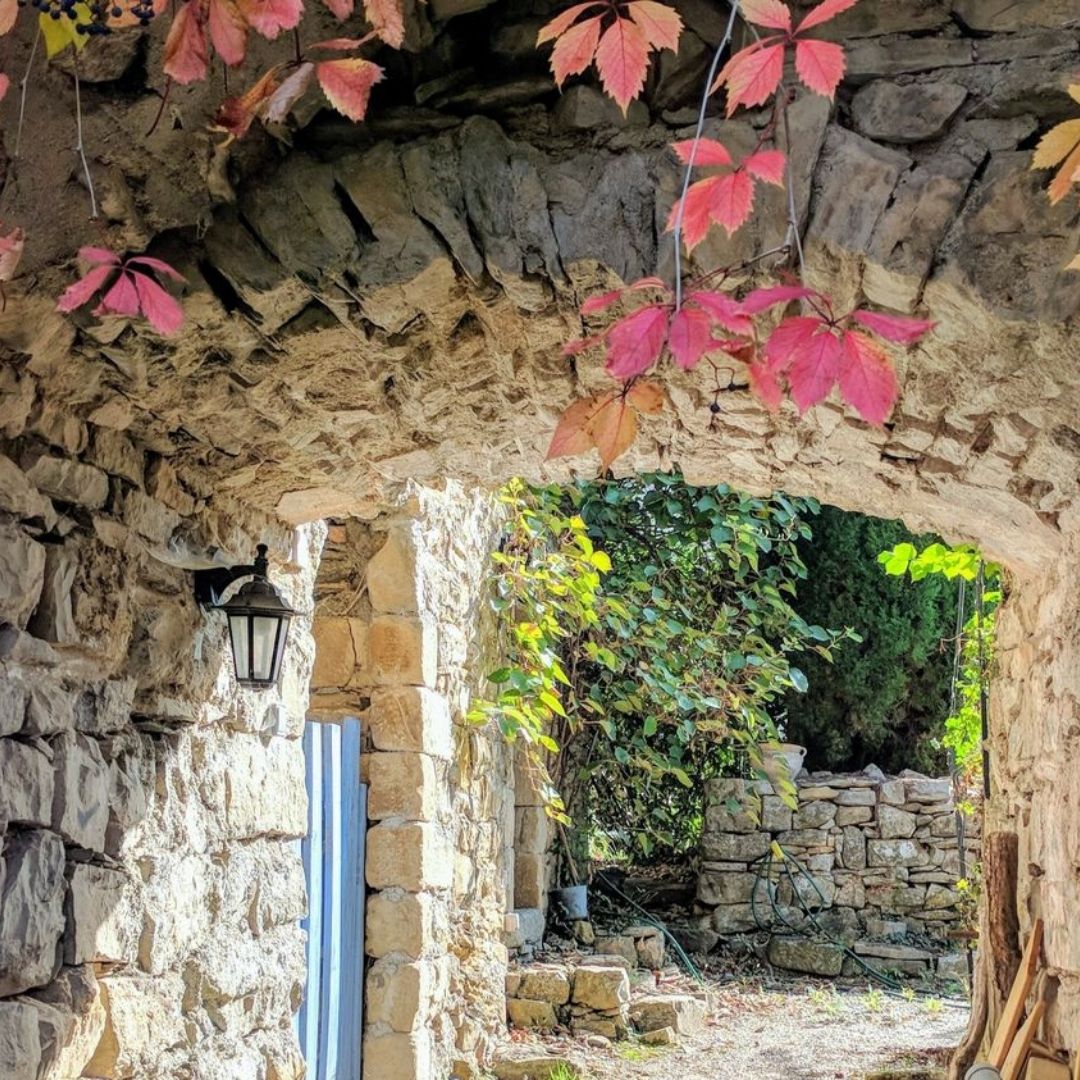
Sandwiched between the more famous regions of Provence and the Auvergne, the Ardèche is mysteriously deserted by comparison. It’s a stunning place of natural wonder, where rivers carve deep channels between wooded hills. Cut into that sloping landscape you’ll see gorgeous terraces (restanques) held together by beautiful stone walls – a touching testament to the gruelling life of small farmers trying to make a living from this harsh and infertile land. As long as you aren’t planning on growing much though, it’s a fabulous place to walk, swim and go a little wild and I would recommend the canoe trip through the spectacular Pont de d’Arc for gaining a unique perspective.
The Ardèche’s lack of big-name tourist attractions is as much a blessing as a curse. Things are less set up for visitors, but this simply means more opportunities to make genuine discoveries and connections. If you’re ever unsure where to go, follow your nose, as the saucission is spicy and delicious and the region specialises in products like bread and pastries (marrons) made from sweet chestnuts. There’s even a honey made by bees feasting on chestnut flowers (not flour!), but it’s an acquired taste, as it’s SO strong! It’s hard for me to quite capture what I love so much about the Ardèche, so if you want to know more, turn to a master. Robert Louis Stevenson’s Travels with a Donkey in the Cévennes describes this country better than anyone and, thankfully, not much has changed since he wrote it.
See all our places in Ardèche >
Explore all our special places to stay in France >
Want more travel inspiration? Get our email updates direct to your inbox.
Sign up >
Nicky deBouille
Sawday's Expert
Nicky has gone from roots in the mountains of New Zealand to her home in an 18th century merchant’s house on the banks of the Loire. Armed with an eccentric soundtrack from Bach to Radiohead via Beirut and Herbie Hancock, she goes on the road for weeks at a time, in search of new special places. What matters most to her is connecting with the owner, because it’s the person that creates the place. She loves that she can give them an alternative to booking.com, and they love the fact that she’s “gone native”.
You might also like
5 weekends amongst the vines: France’s most beautiful wine regions

Carolyn Boyd
Guest Expert
5 min read
The Great B&B Challenge – Nicola Crosse on the French B&Bs that set the standard

Nicola Crosse
Sawday's Expert
5 min read