When is the best time to stay in a gîte in France?

Sawday's Expert
5 min read
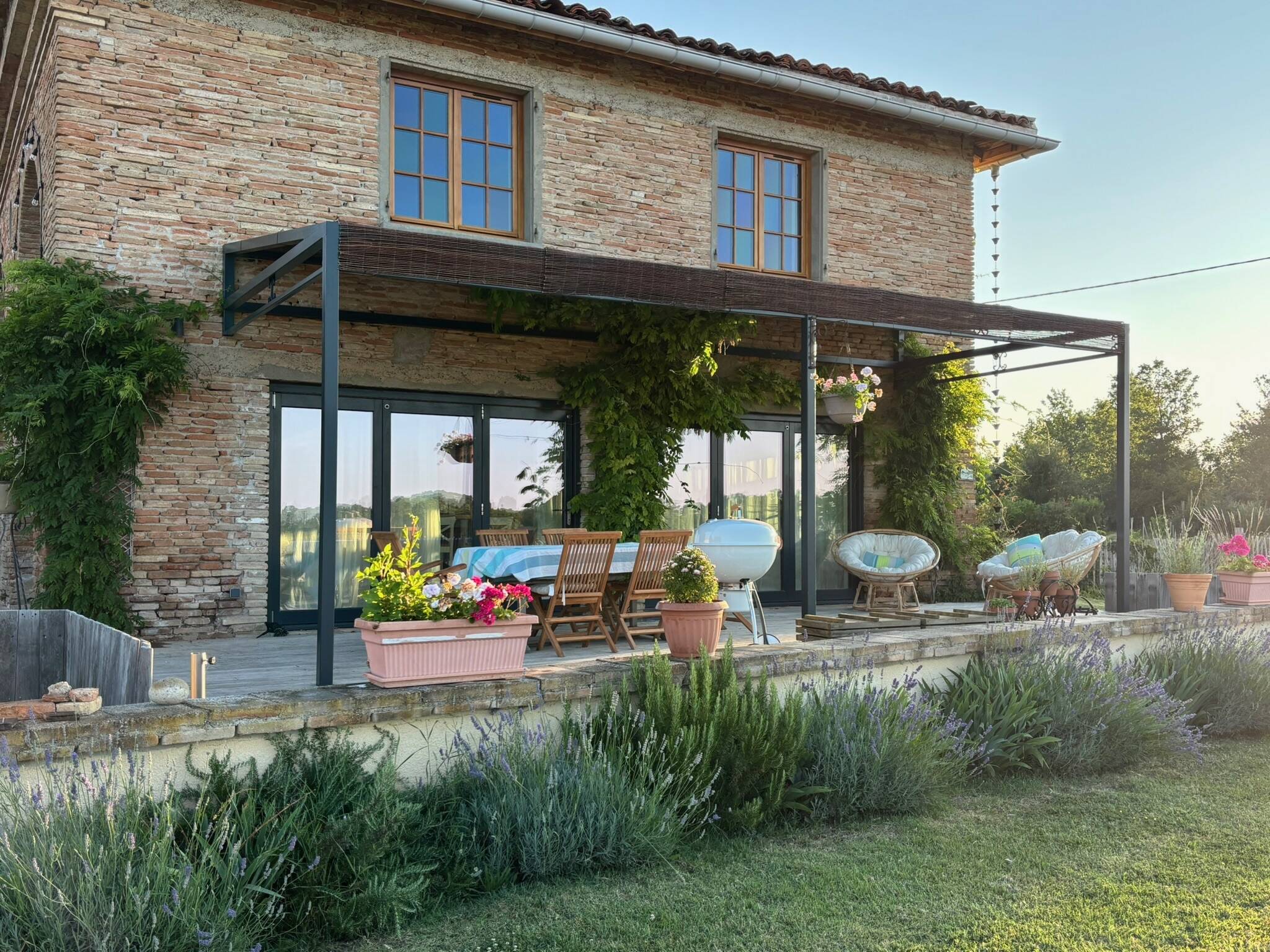
A gîte stay changes dramatically with the seasons. Whether you’re dreaming of lavender fields, market mornings or a quiet winter escape with the fire lit, timing shapes both availability and atmosphere. Spring feels like a completely different holiday to the one you’ll experience in high summer, autumn has a slower rhythm, and winter brings its own quiet pleasures. Here’s what a gîte holiday looks like, season by season.
Spring (March to May): fresh starts and quiet discovery
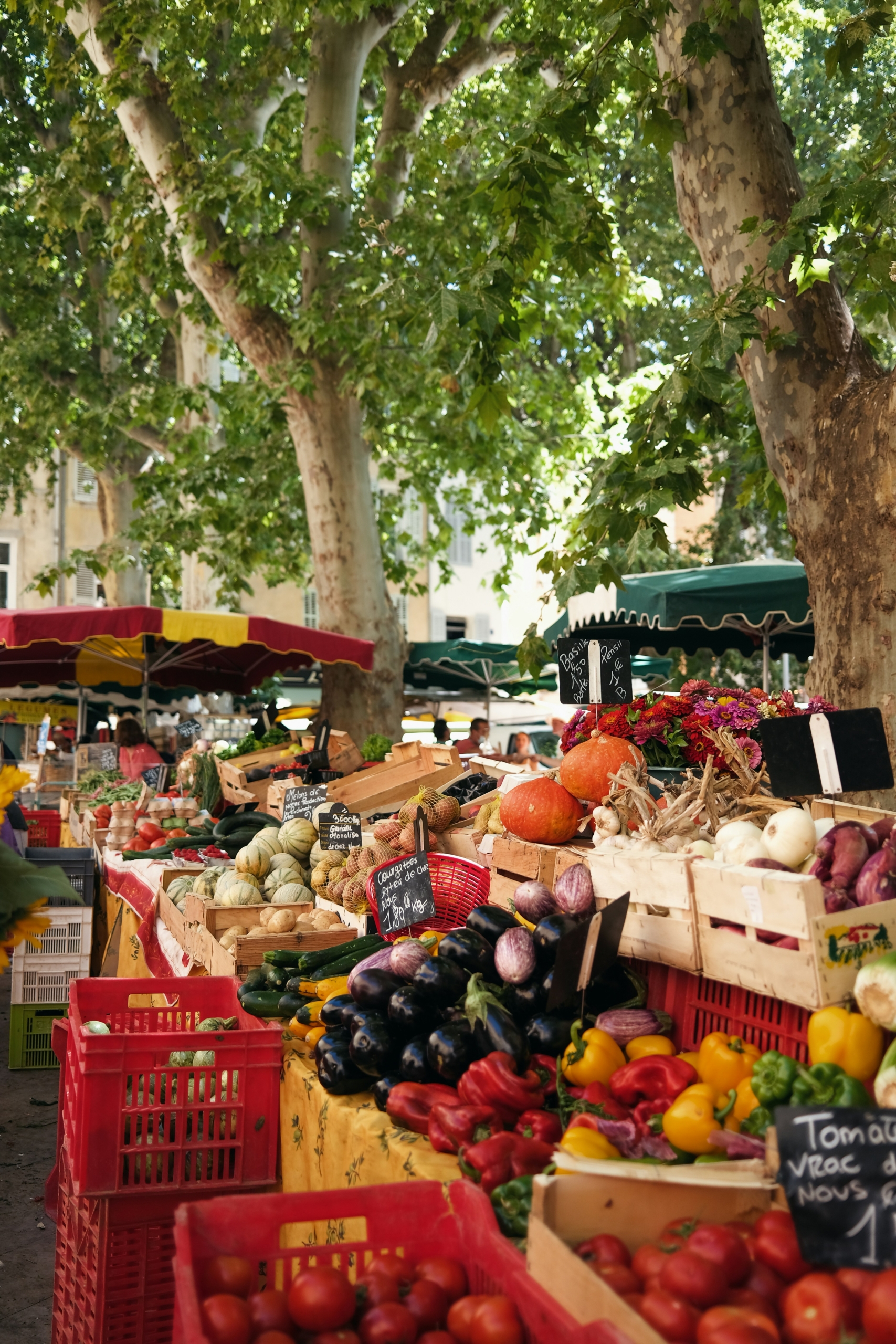
Spring is one of the most rewarding times for a gîte stay. The days stretch a little longer, shutters are flung open for the first time, and the countryside stirs back into life with blossom and fresh green fields. Village markets brim with early produce like asparagus, strawberries, goats’ cheese and Sisteron lamb, and there’s a sense of everything beginning again.
This is a season made for slow exploration, with relaxing walks through vineyards and woodland, coffee in sun warmed squares, and long lunches taken outside when the weather allows. Gîtes are often easier to book in spring, with more choice and flexibility on arrival days, and prices tend to be lower than high summer, particularly before Easter. For walkers and groups that enjoy exploring villages, cooking with market finds, and spending time outside without the crowds, spring is hard to beat.
Gîte availability: good
Pricing: lower to mid-range
Best for: walkers and food lovers
Summer (June to August): long days and outdoor living
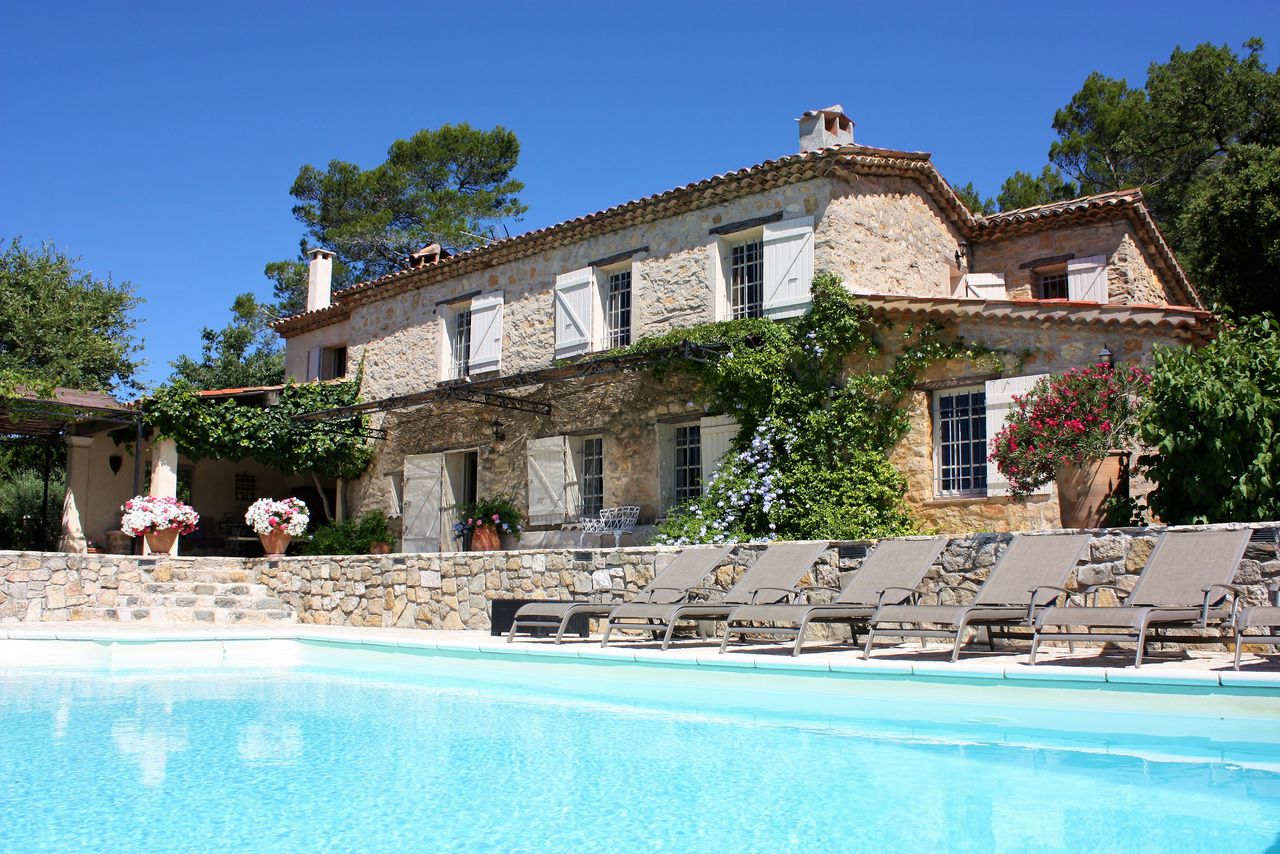
Summer is the most familiar vision of a French gîte stay, and for good reason. Days are long and generous, meals stretch late into the evening, and life naturally moves outdoors. This is when gîtes come into their own, with breakfasts on the terrace, swims between chapters of a book, barbecues fuelled by market tomatoes still warm from the sun. Coastal regions hum with energy, while inland areas settle into a slower, sun-drenched rhythm.
It’s also peak season, which means demand is highest and availability tighter, particularly in July and August when French school holidays are in full swing. Prices rise accordingly, family-sized gîtes with pools book far in advance, and many gîtes book Saturday to Saturday. For families tied to school dates or groups planning time together, summer delivers a unique atmosphere and reliability, but it rewards early planning.
Gîte availability: be prepared and book in advance to secure your favourite choice, especially for larger gîtes
Pricing: highest of the year
Best for: families, friend groups, multi-generational trips, outdoor living

Autumn (September to November): slow and grounded
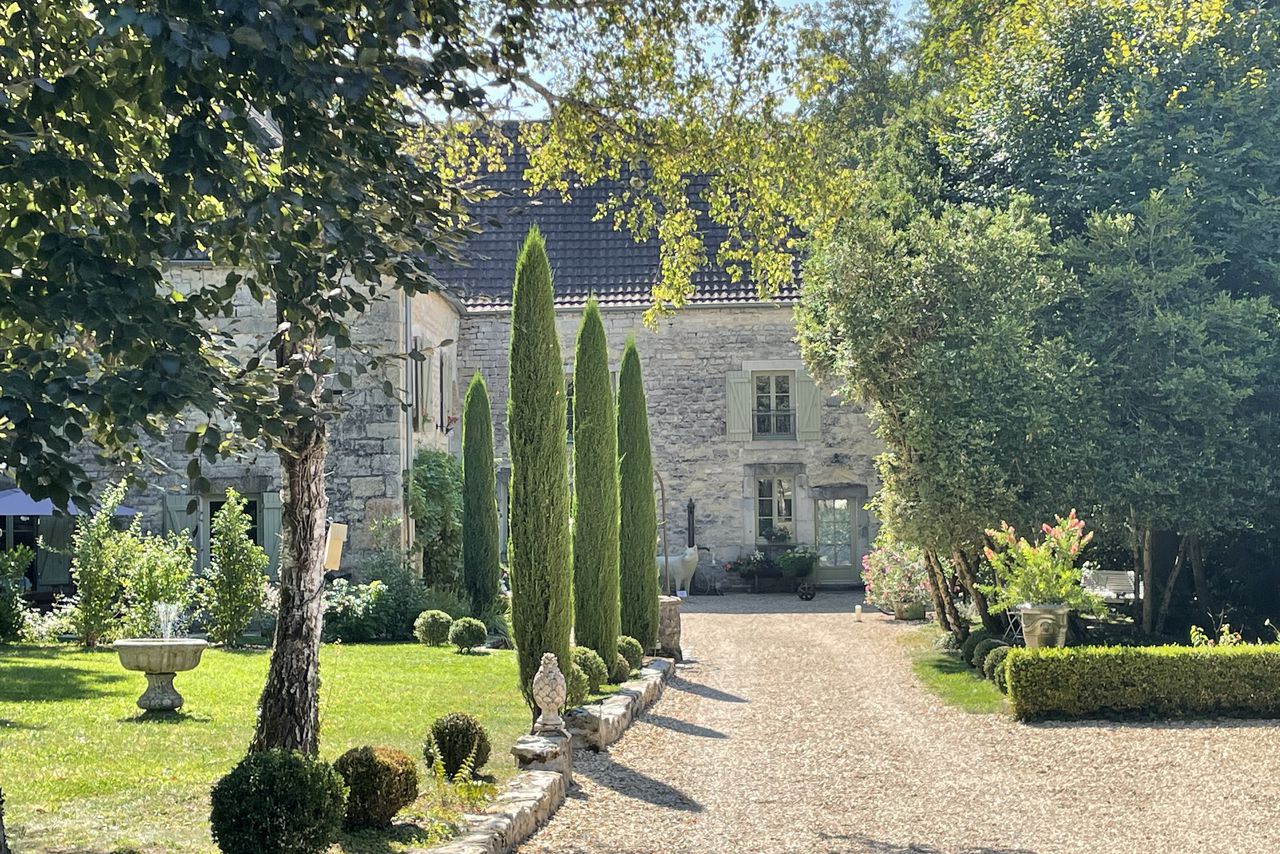
Autumn is a time that many seasoned France travellers quietly favour. The heat softens, crowds thin, and the country turns its attention to harvests and home comforts. Vineyards glow gold and russet, forests fill with mushrooms, and village markets brim with figs, walnuts and game. There’s a grounded feel to daily life, and a gîte becomes a perfect base for restorative relaxation, cooking well and exploring without the chaotic buzz that summer brings.
Availability improves after August, often with more flexible booking patterns and better value. Swimming pools may close as the weather cools, but this is the season of fires being lit, long lunches inside and walks followed by something warming on the stove.
Gîte availability: very good
Pricing: mid-range, improving into late autumn
Best for: food and wine lovers, hikers, relaxed exploration, slower travel
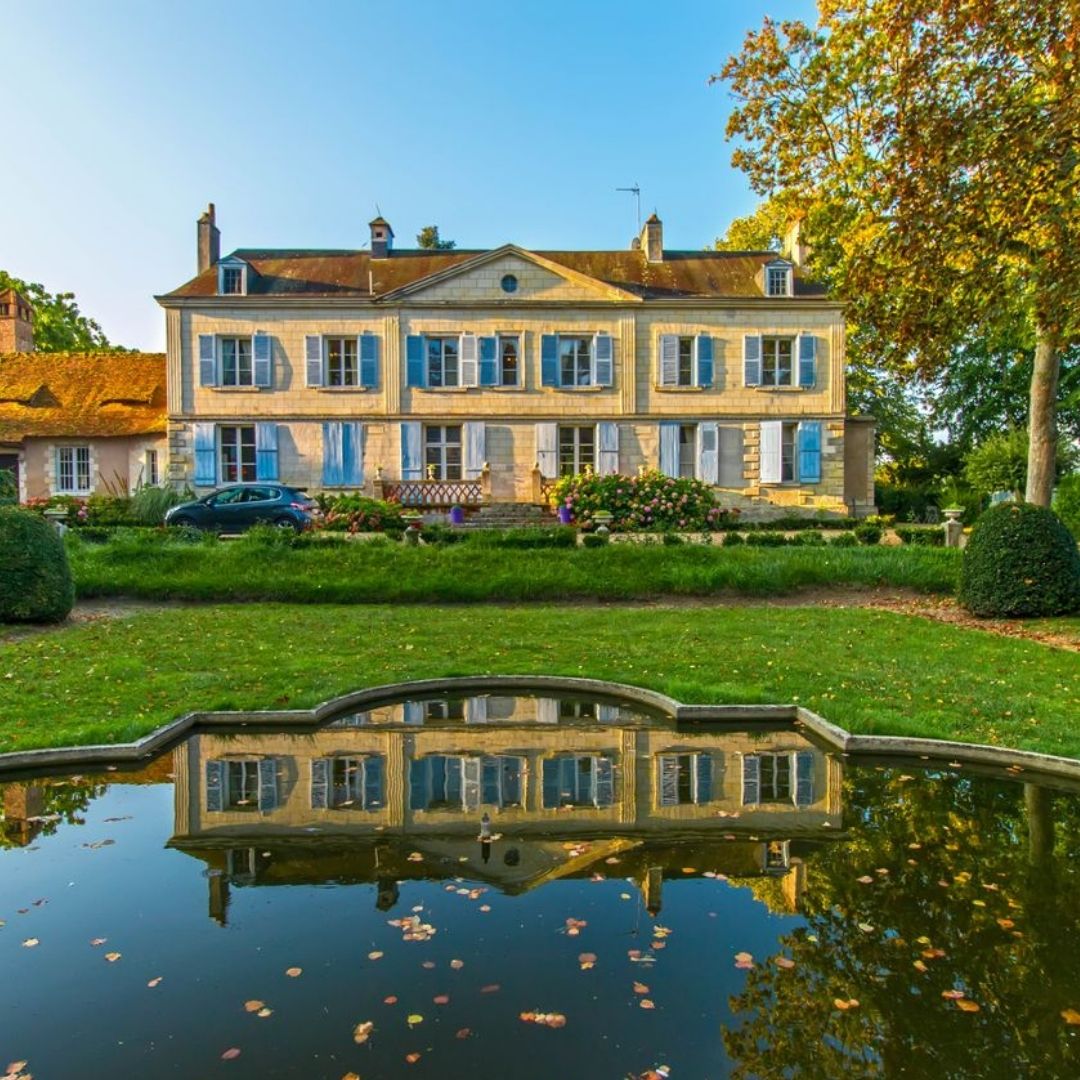
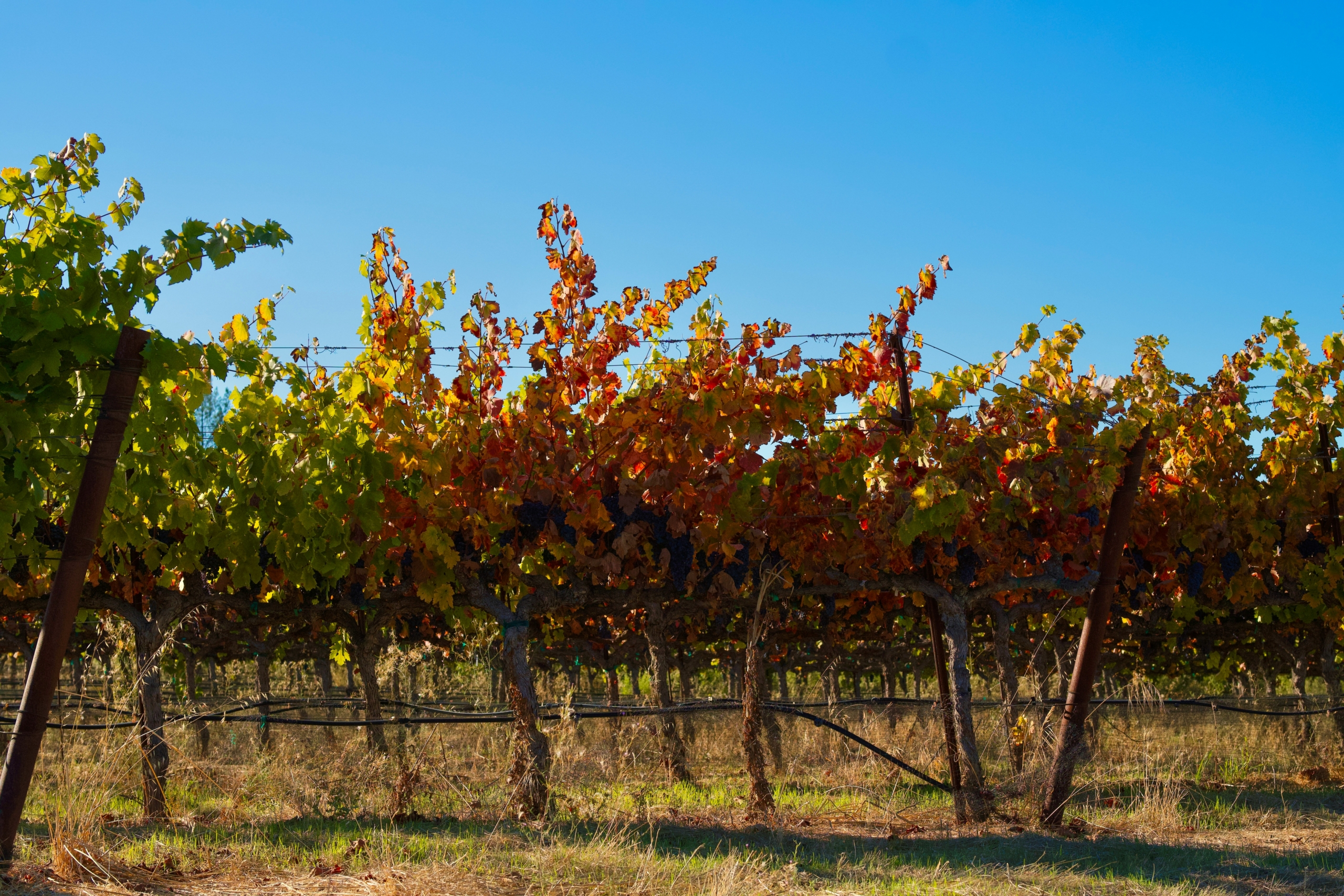
Winter (December to February): quiet charm and staying put
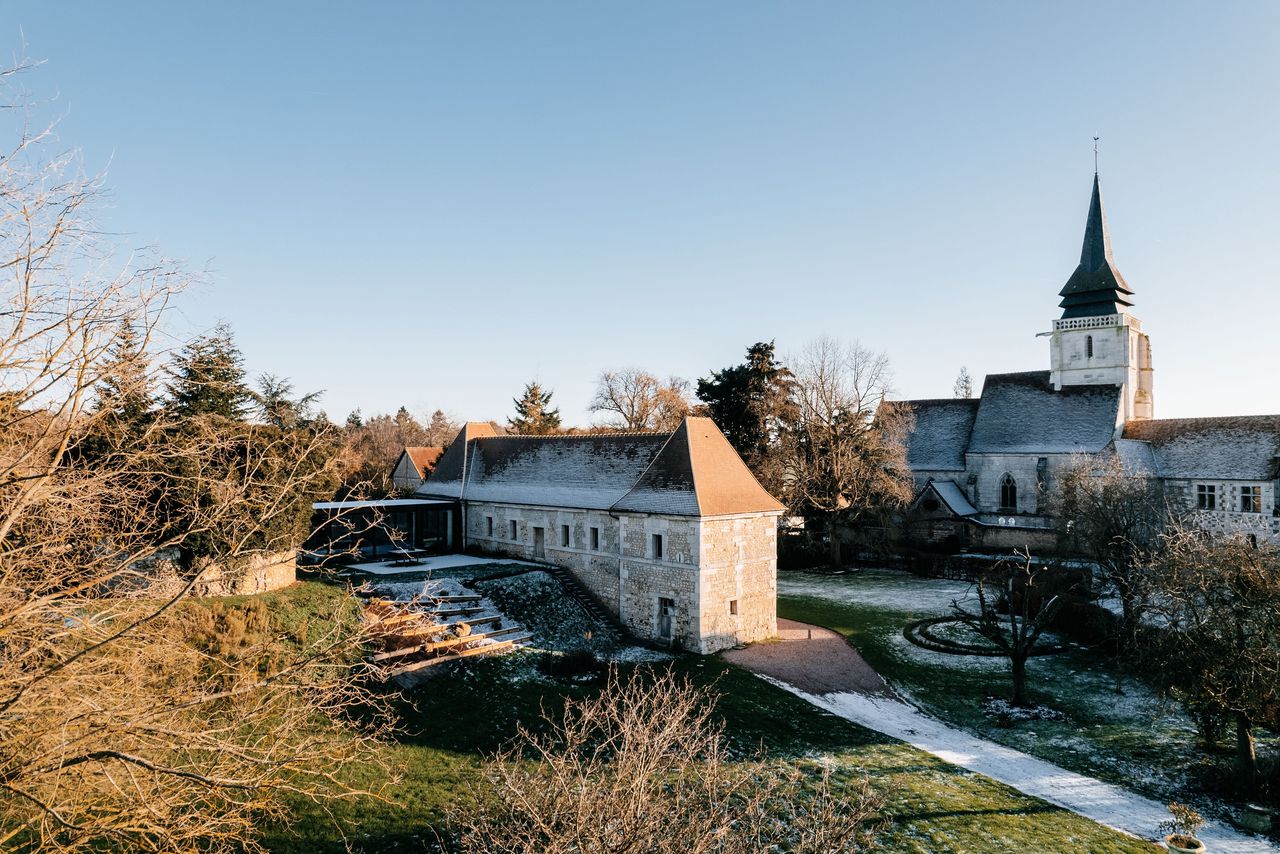
Winter strips a gîte stay back to its essentials, and for many that’s the appeal. This is France lived at a local pace, when markets feel more personal, cafés become refuges from the cold, and the countryside takes on stark, beautiful landscapes of frost-edged vineyards and sweeping hills under bright winter skies. In wine regions, the cellars are open, in rural villages, a visit to the local bakeries and boucheries become daily rituals.
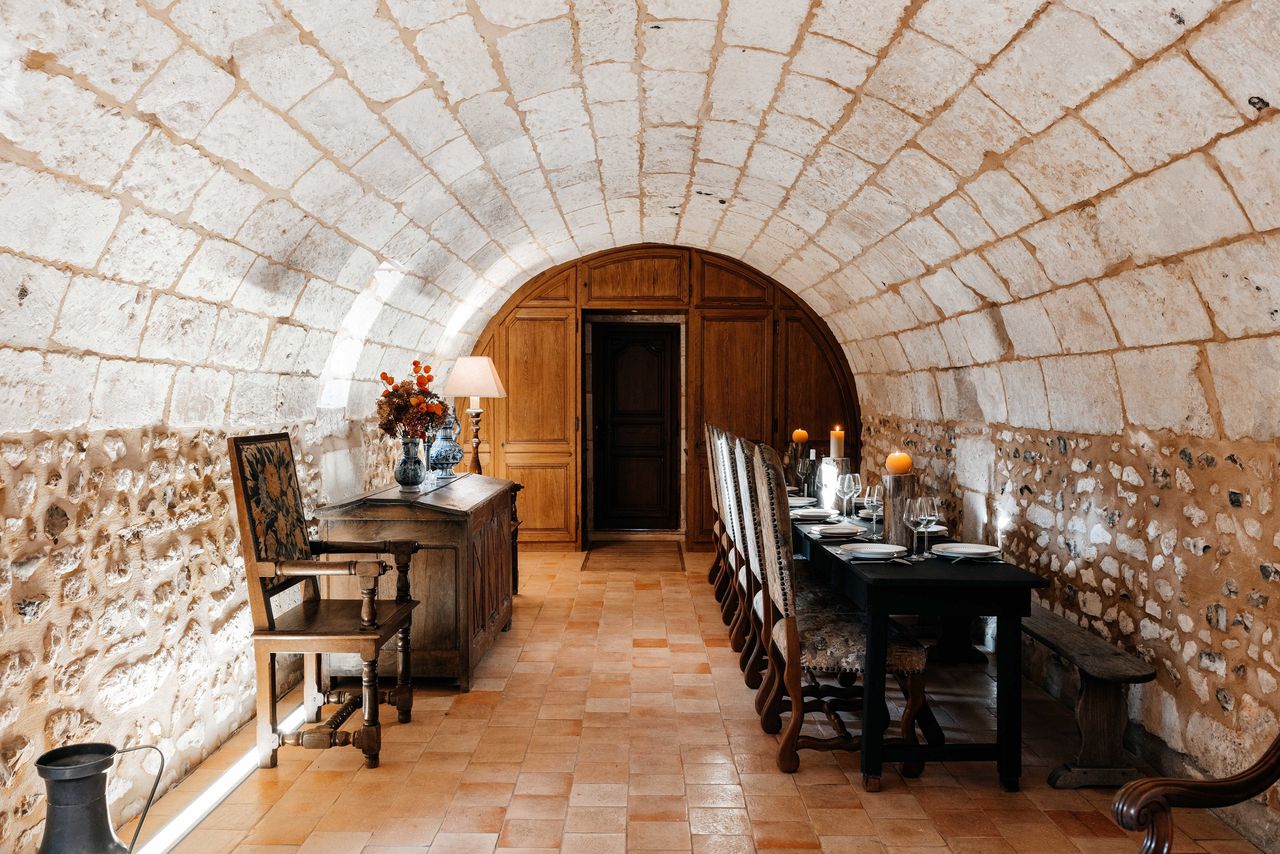
Gîtes are at their most available and affordable in winter, aside from Christmas and New Year, making it an excellent time for longer stays or spontaneous trips. While outdoor living pauses, interiors take centre stage. Fires are lit, kitchens become the heart of the house, and days are shaped around walks, cooking and lounging about with a book rather than sightseeing. Not every gîte suits winter stays, so it’s worth checking heating and local amenities, but for the right traveller, this can be one of the most memorable and atmospheric ways to experience rural France.
Gîte availability: very good
Pricing: lowest of the year (except festive weeks)
Best for: peace seekers, writers, slow living
Frequently asked questions about booking a gîte in France
What is the best way to book gîtes in France?
The best way to book a gîte in France is to book directly with the owner through a trusted, curated collection. This gives you clearer information, fairer pricing and the chance to ask practical questions about the house, the area and the best time to visit. Well-inspected collections also ensure standards of comfort, character and local knowledge, helping you avoid misleading listings or poorly maintained properties.
What month has the best weather in France?
May and September are often considered the best months for weather in France. Both offer warm, settled days without the intense heat of mid-summer, making them ideal for sightseeing, walking and outdoor dining. Spring brings blossom and fresh greenery, while early autumn offers softer light and lingering warmth, particularly in southern regions.
What is the cheapest month to go to France?
January and February are generally the cheapest months to visit France, outside of ski resorts. Accommodation prices are lower, availability is high and travel is quieter. Late November can also offer good value, particularly in rural areas, although daylight hours are shorter and some tourist attractions may operate on reduced schedules.
Which month is the rainy season in France?
France doesn’t have a single rainy season, but rainfall tends to be higher in late autumn and early winter, particularly in November and December. That said, rain is usually intermittent rather than constant, and many regions still enjoy plenty of dry days. Summer thunderstorms are common in inland and mountainous areas, while coastal regions often remain drier.
Is a gîte the same as a holiday cottage in France?
A gîte is essentially the French version of a holiday cottage. Both describe self-catering, furnished holiday homes, but the term “gîte” is specific to France and often refers to traditional rural properties such as converted farmhouses, barns or village houses. While “holiday cottage” is a broad international label, a gîte is closely linked to French regional character, local architecture and slower, countryside-based stays, ranging from simple retreats to high-end luxury homes.
Find your perfect gîte holiday >
Want more travel inspiration? Get our email updates direct to your inbox >
Sign up >
Nicky deBouille
Sawday's Expert
Nicky has gone from roots in the mountains of New Zealand to her home in an 18th century merchant’s house on the banks of the Loire. Armed with an eccentric soundtrack from Bach to Radiohead via Beirut and Herbie Hancock, she goes on the road for weeks at a time, in search of new special places. What matters most to her is connecting with the owner, because it’s the person that creates the place. She loves that she can give them an alternative to booking.com, and they love the fact that she’s “gone native”.
You might also like
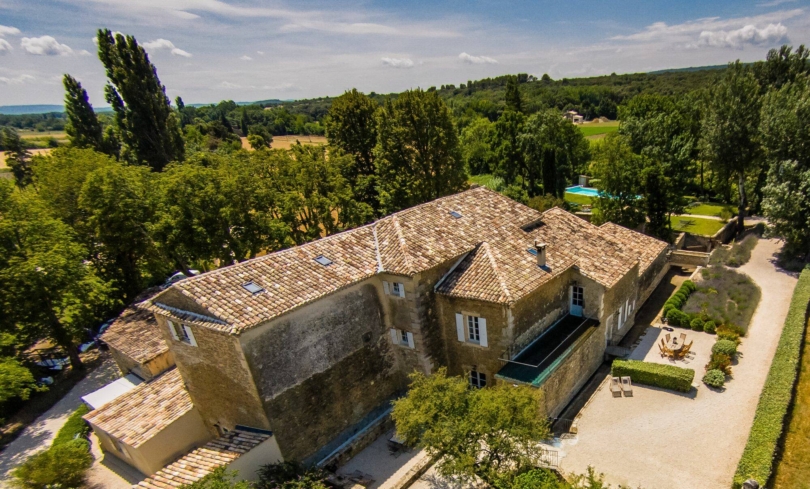
Rails to relaxation: Beautiful gîtes you can reach by train from the UK

Beth Tingle
5 min read
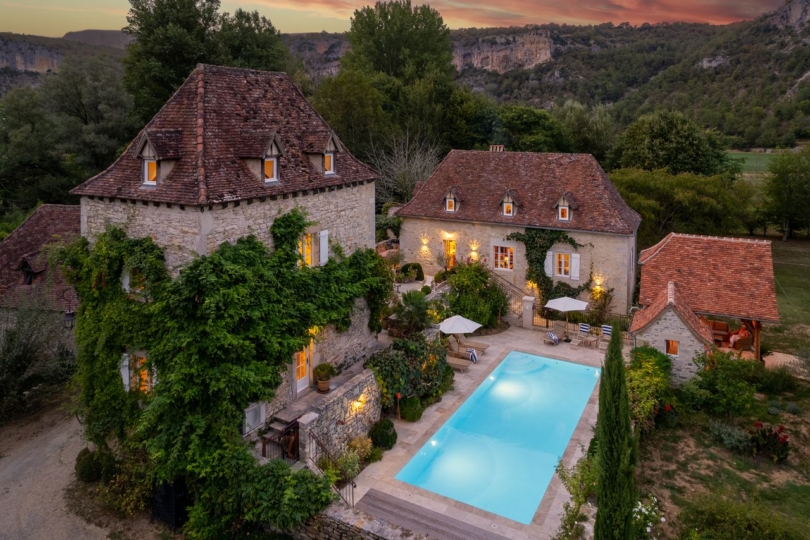
Sawday’s guide to gîte holidays in France
Nicky deBouille
Sawday's Expert
5 min read
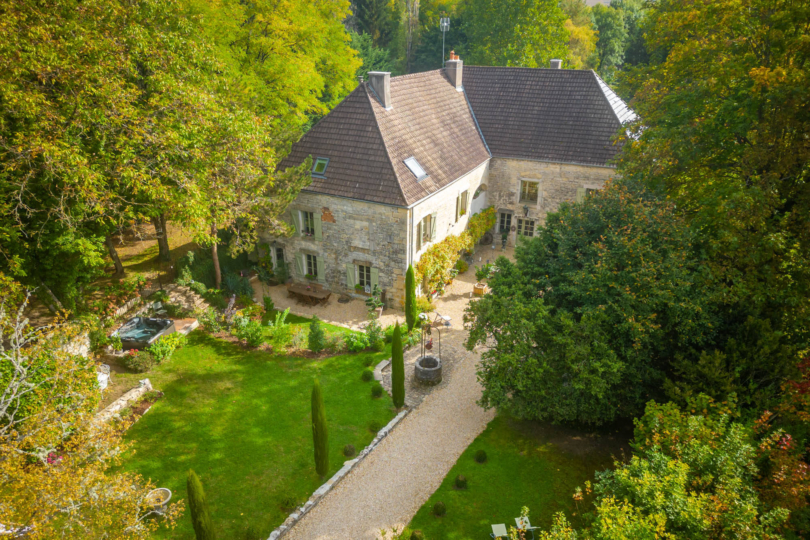
Gîtes with insider itineraries you won’t find on Google
Nicky deBouille
Sawday's Expert
5 min read