What Are Biofuels and how can you use them?
Biofuels are renewable energy sources produced from plant matter or waste, rather than crude oil. Although fossil fuels also originate from natural sources, the distinction can be confusing, but the important point is that biofuels significantly lower carbon emissions compared to diesel, petrol, and LPG. In this article, we will explore the two main types of biofuel, along with their respective advantages and disadvantages in terms of emissions, availability, and ease of use.
Why use biofuels?
Lower Lifecycle Emissions
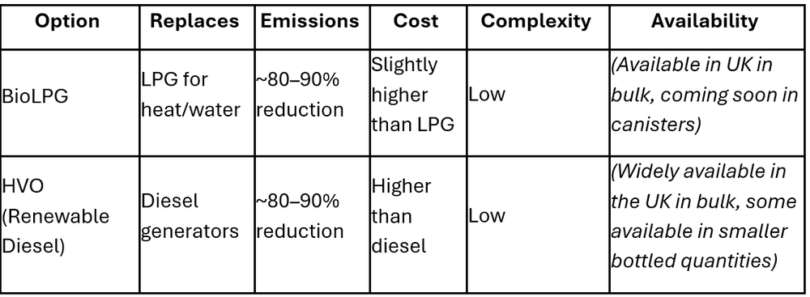
When produced sustainably—particularly from waste materials—biofuels can substantially reduce greenhouse gas emissions compared to fossil fuels. They have the potential to cut carbon footprints by around 80–90%, while still maintaining reliability and performance. Although the exact benefits depend on how they are produced and used, they are certainly worth considering.
Ease of Transition
Many advanced biofuels, such as HVO and BioLPG, are compatible with existing LPG tanks, boilers, cylinders, and appliances, often requiring little to no modification. This means you can switch without investing in new equipment. However, it’s always important to check appliance warranties and manufacturer specifications before making the change.
Availability
BioLPG and HVO are not yet widely available on demand, but we’re actively working with suppliers to expand access and offer them in smaller quantities. If you’re interested in switching to a biofuel, get in touch with us at sustainability@canopyandstars.co.uk.
The two main sorts of biofuel
Instead of categorising biofuels by their source or chemical composition, it’s more practical to think of them in terms of the fuels they are intended to replace—either LPG or diesel and petrol.
- Best Replacement for LPG- Renewable Liquid Gas (BioLPG & rDME)
The two options:
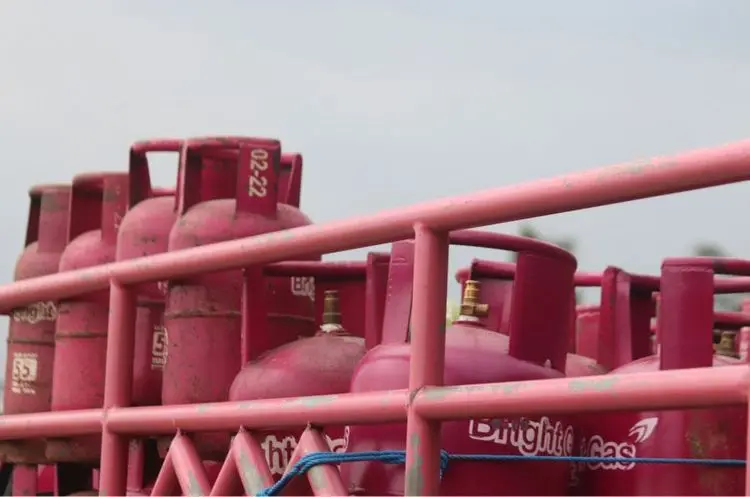
- BioLPG (biopropane) is a renewable alternative to conventional LPG. It is chemically very similar and can be used for heating, hot water, and cooking, with the potential to reduce carbon emissions by up to around 80% compared to fossil LPG.
- rDME (renewable dimethyl ether) is another renewable gas with properties similar to propane and butane, and it can also be used as a substitute for LPG.
How are they made?
BioLPG is produced from renewable sources such as used cooking oil, agricultural residues, plant material, and other organic waste streams—effectively converting waste carbon into a useful liquid fuel. rDME, on the other hand, is made from renewable gases or methane derived from biomass and can be easily blended with LPG.
Cost comparison
BioLPG can be more expensive than fossil LPG because it’s renewable, but prices vary by supplier and tariff.
Availability (UK)
BioLPG is already available in the UK through major LPG suppliers such as Flogas and Calor, though it is currently aimed mainly at larger, refillable LPG tanks. At present, we have not been able to find suppliers offering BioLPG in smaller canisters (e.g. 47kg). However, we are in contact with leading suppliers to express interest on behalf of our owners and encourage wider availability. If you’re interested in switching to BioLPG, or are aware of any suppliers providing it in smaller canisters, please get in touch at sustainability@canopyandstars.co.uk.
- Diesel/Petrol Replacement -HVO
What is it?
- Hydrotreated Vegetable Oil (HVO), sometimes referred to as Renewable Diesel, is a liquid biofuel created by processing plant or waste oils into a hydrocarbon fuel that closely resembles conventional fossil diesel.
How is it made?
HVO is made by hydrotreating fats, used cooking oil, or other biological oils to eliminate impurities, resulting in a clean-burning fuel that meets standard diesel specifications.
Cost comparison
As of February 2026, HVO generally costs about twice as much per litre as standard diesel. However, prices are gradually decreasing, and if the generator is used primarily as a backup with only small quantities needed, the cost impact is likely to be limited.
Availability (UK)
HVO is becoming more widely available as a bulk fuel, particularly for commercial and rural applications. Additionally, a few smaller suppliers, like LubiQ, offer bottled HVO in quantities ranging from 10 to 1,000 litres.