Spending my life in the pub – meet our dedicated pubs inspector

Sawday's Expert
5 min read
A chat with David Hancock, our dedicated pubs inspector, about chalkboards, snooping, and the future of the industry.
David Hancock knows all there is to know about pubs, except for the very first thing I ask him – how many he’s visited in his working life. On that front, he has no idea. He’s been Sawday’s chief pub inspector for decades and has worked for the Egon Ronay guides and the AA guides, as well as overseeing numerous websites and publications on the topic of public houses. It’s fair to say that the answer would be a pretty high number.
I catch up with him (not in a pub, sadly) to talk about the modern pub and get some insight into his work. To me, “pub inspector” sounds like the sort of dream job you make up as a joke, but I wondered where the reality would sit. David is quick to impart some balance. “On a recent inspection trip, I did about 900 miles,” he says, “it can be exhausting.” He told me he tends to travel Sunday to Thursday, arriving at pubs when they’re quietest.
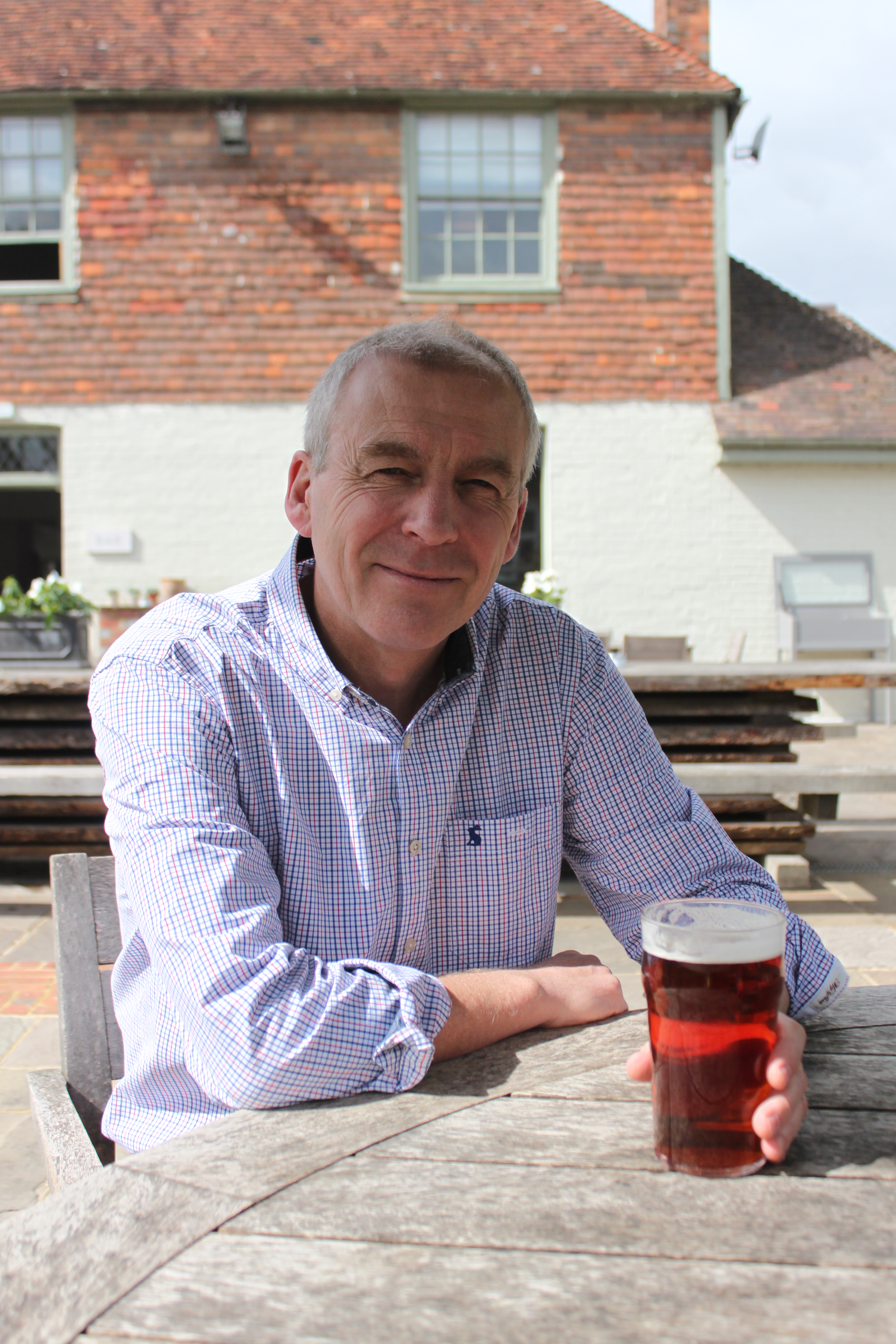
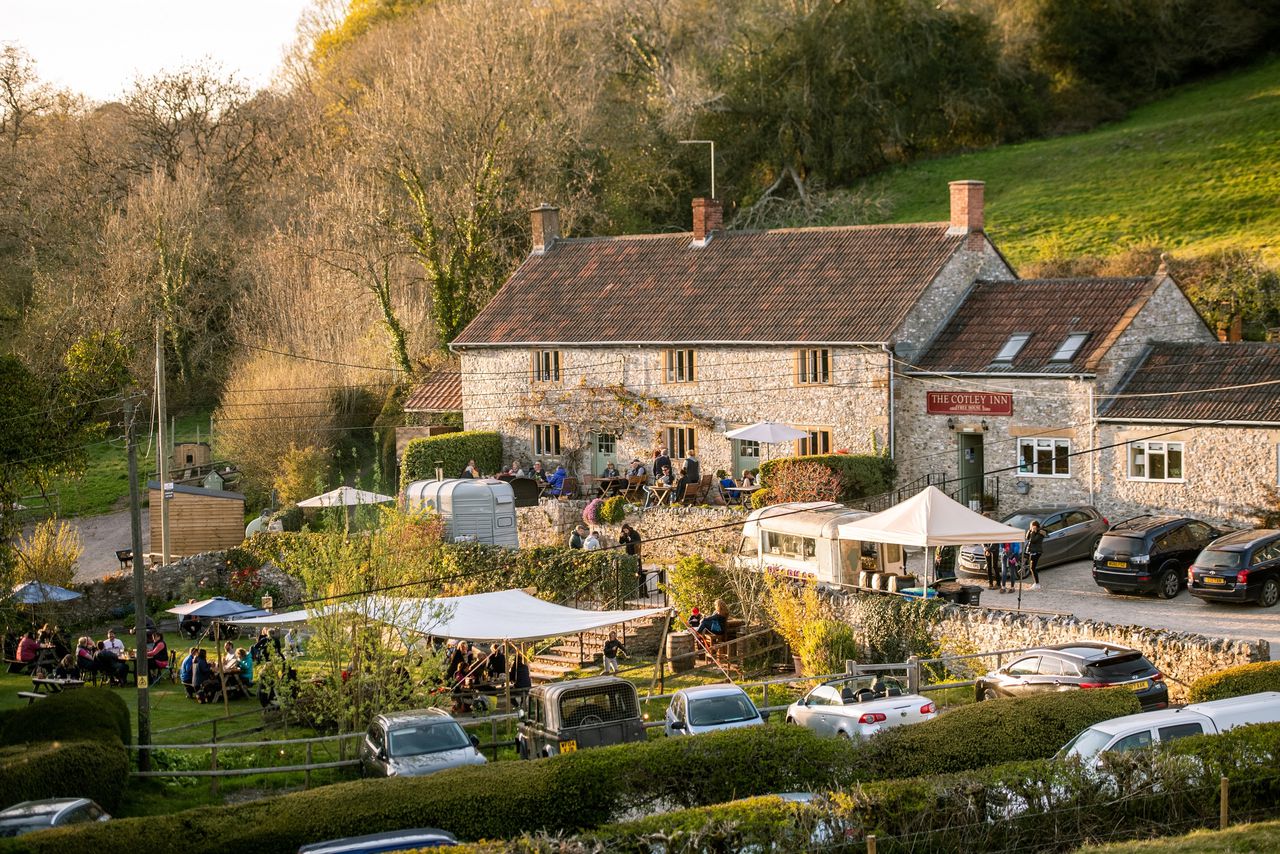
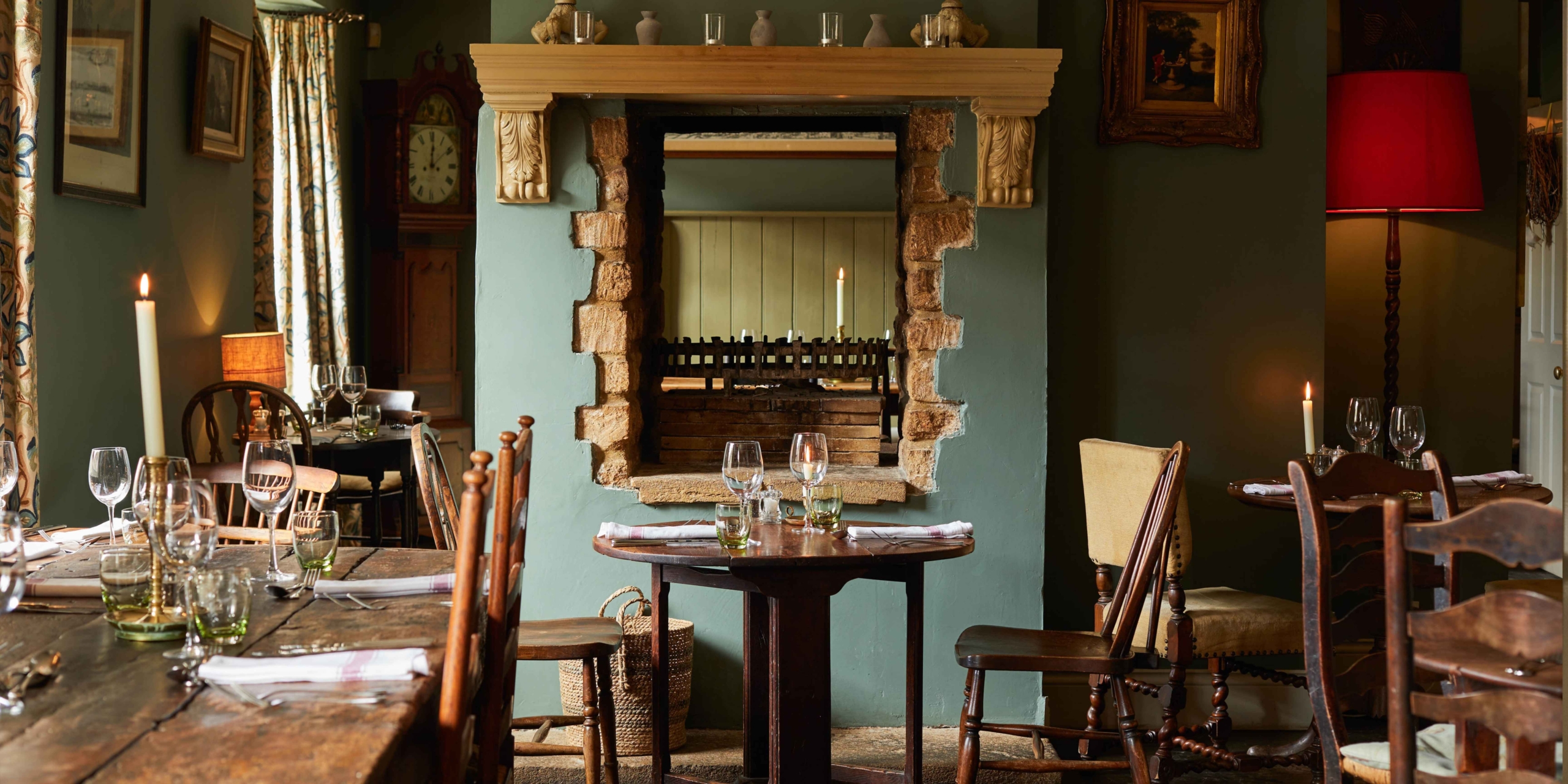
“There’s no point turning up at the weekend, nobody wants to talk to you. It’s the same for most of summer and Christmas. Admin is out the window, they’re literally all hands to the pumps.” Turning up at the right time isn’t just a practical thing, either, it’s a sign of respect. Although showing up in person at all is rare enough, as David points out. “Companies don’t do that anymore, few ever did, but it’s so important to get to know people and start those relationships. Plus, websites can be misleading.”
On that last point, he’s very clear. He cites a few well-known travel advice and booking sites and the pitfalls of taking the photos or reviews with blind faith. It’s the reason that, even after extensive desk research has turned up a promising pub, he often drops in for a “snoop visit”. Intrigued, I ask him to expand a little. “Oh it’s simple really,” he shrugs, “I turn up, don’t announce myself, just have a coffee or maybe lunch and see how the place feels. Maybe blag my way into a room to have a look around!”
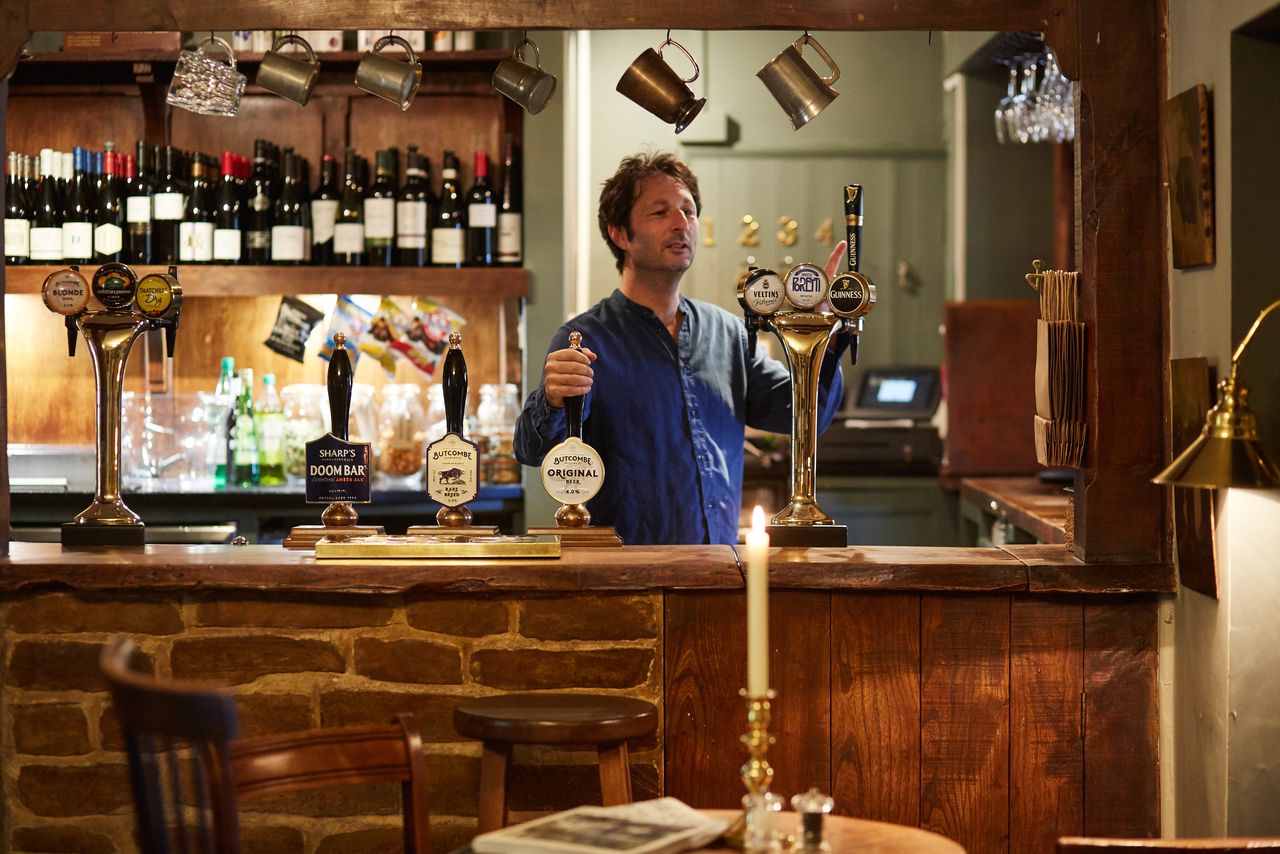
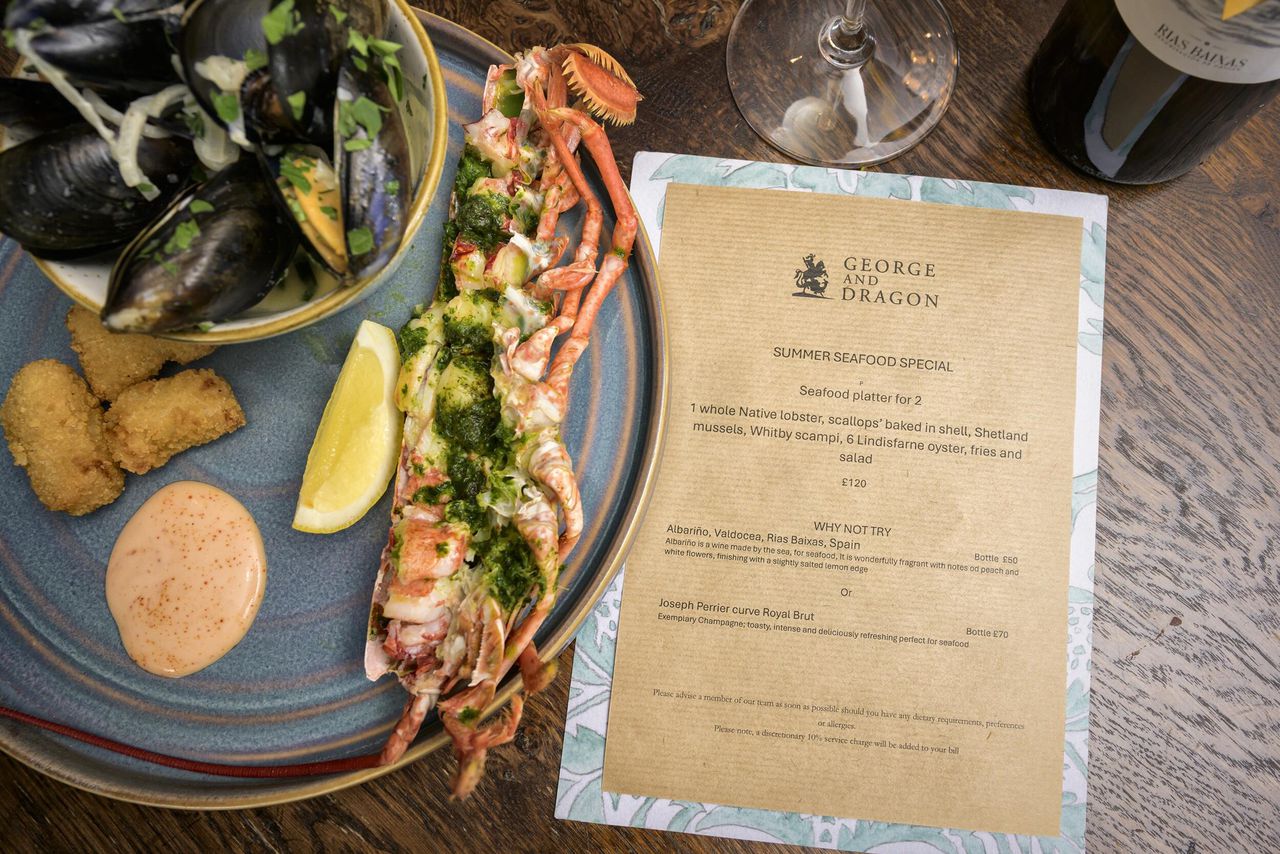
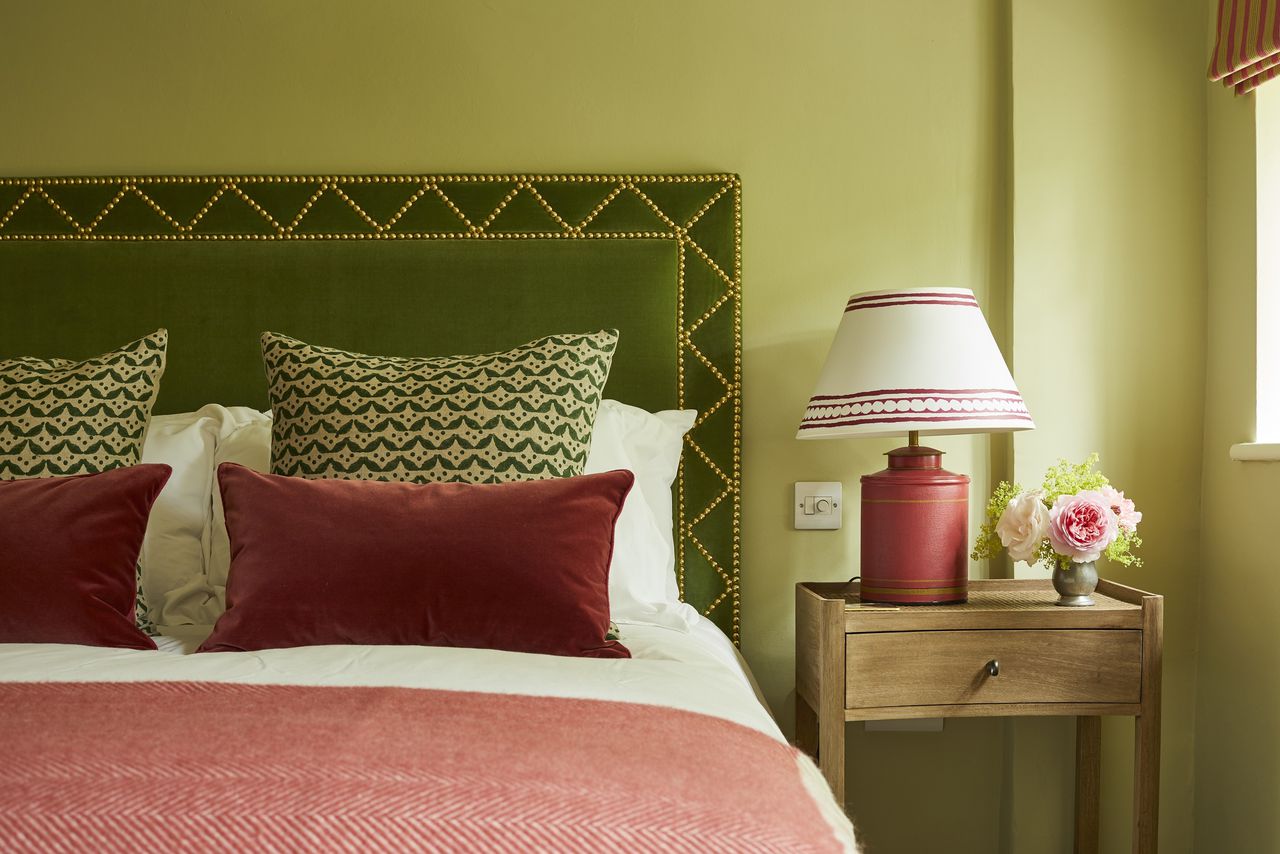
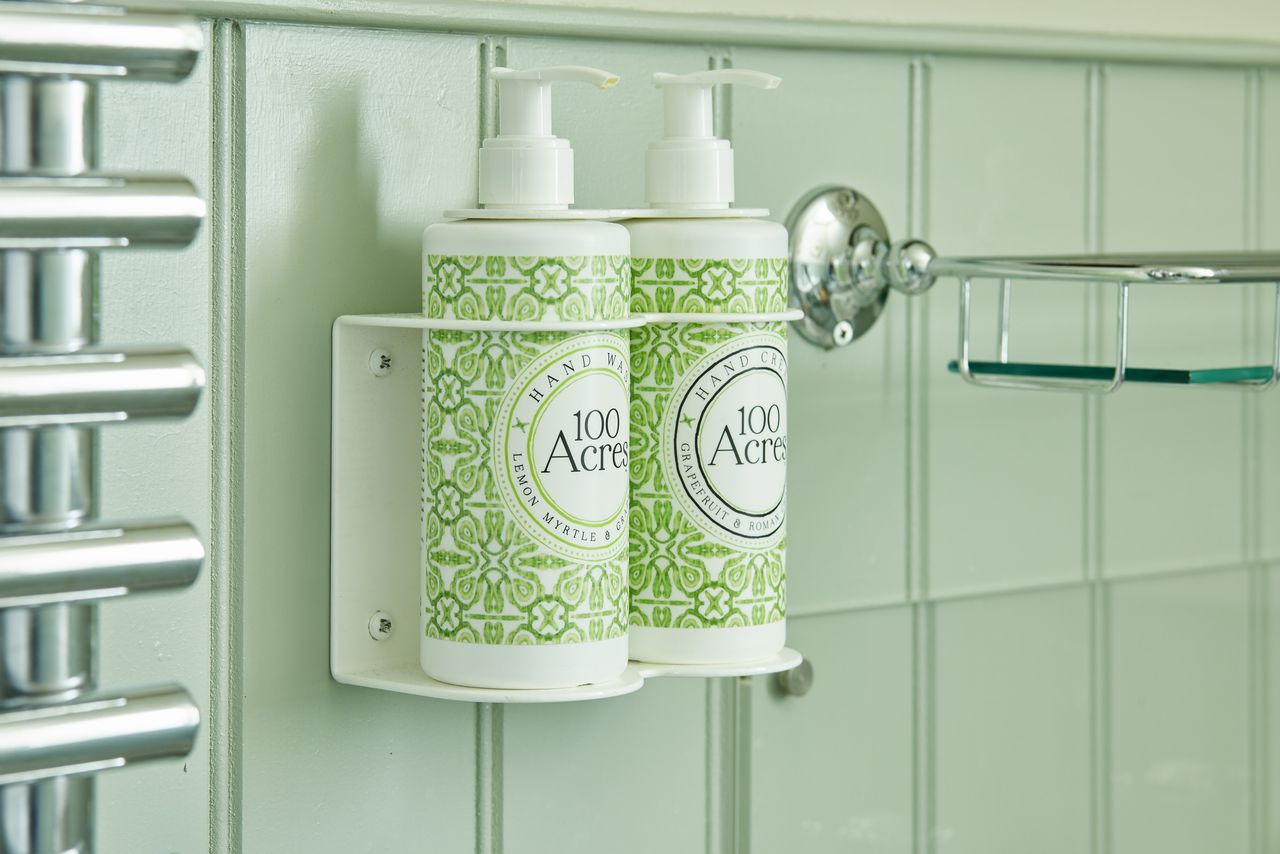
He’ll approach them about joining the collection if he likes what he sees, which leads us to the obvious question – what exactly does he like to see? “A chalkboard menu is always a good start. It implies that they switch things around regularly. Printed is fine, but laminated is a worry.” He details a few more things – a smiling welcome from a staff member, quality linen and local toiletries in the rooms – but admits there’s only so much you can get from a glance. The real story comes from talking to the owners.
“You need to speak to the people behind the place. Then you understand their values and their priorities, their sourcing of food and drink, their attitude towards guests. That tells you what’s at the heart of it.”
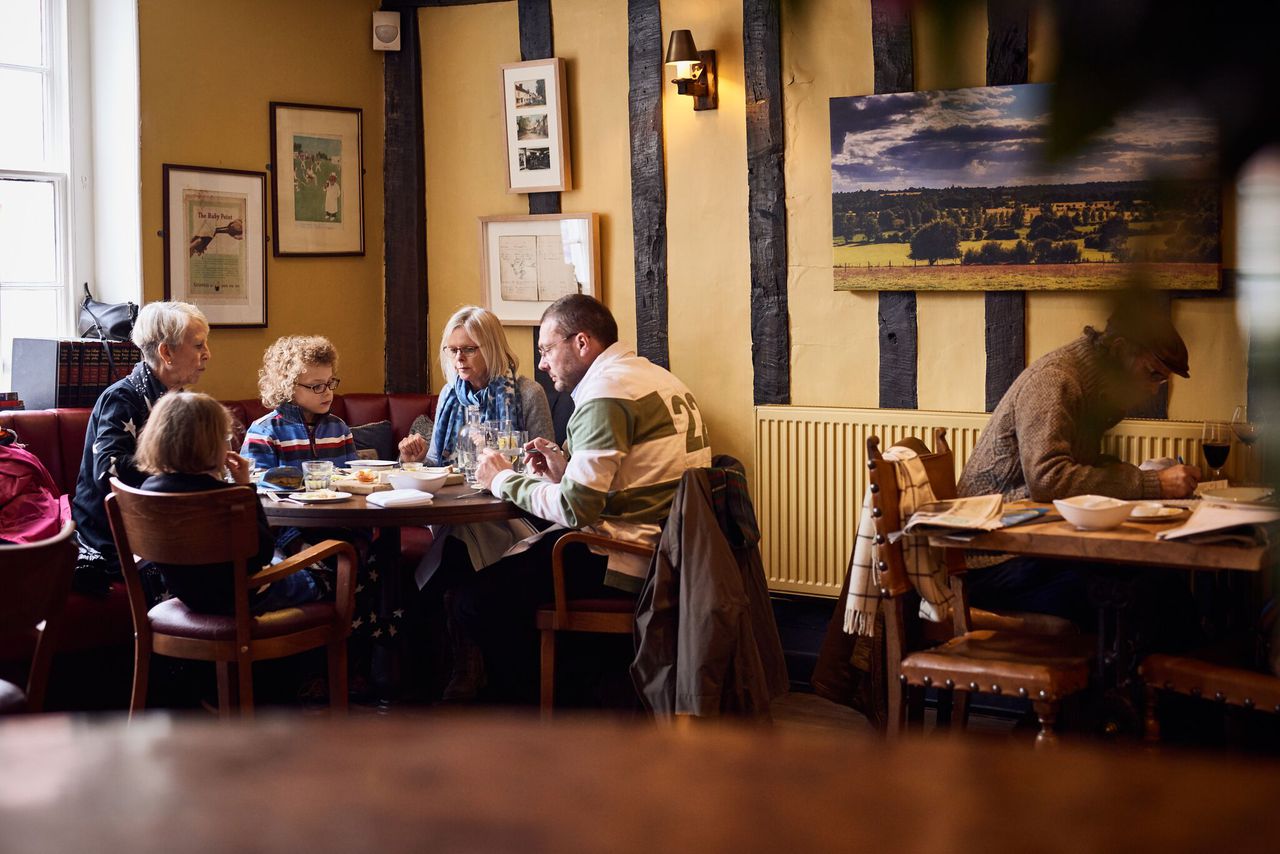
If that seems extreme for a place where you might drop in for a pint one afternoon, it’s all bound up with the evolution of the pub or, as David sees it, the reversion. “It’s almost come back to the old coaching inns, where the lodgings and the food play an equal role. The difference now is that they’re not just places on the way to somewhere else. Pubs are bringing the best of hotels and the best of restaurants together, but doing it in a family-friendly, dog-friendly way. It’s a great combination.”
Despite the flourishing of the concept, it’s not been an easy time for pubs, with tax relief cuts and the cost-of-living crisis making hospitality an expensive business. “I know of one owner who emailed everyone on their database to explain why they’d had put their rates up,” David says, as he laments the extreme pressures the sector is facing.
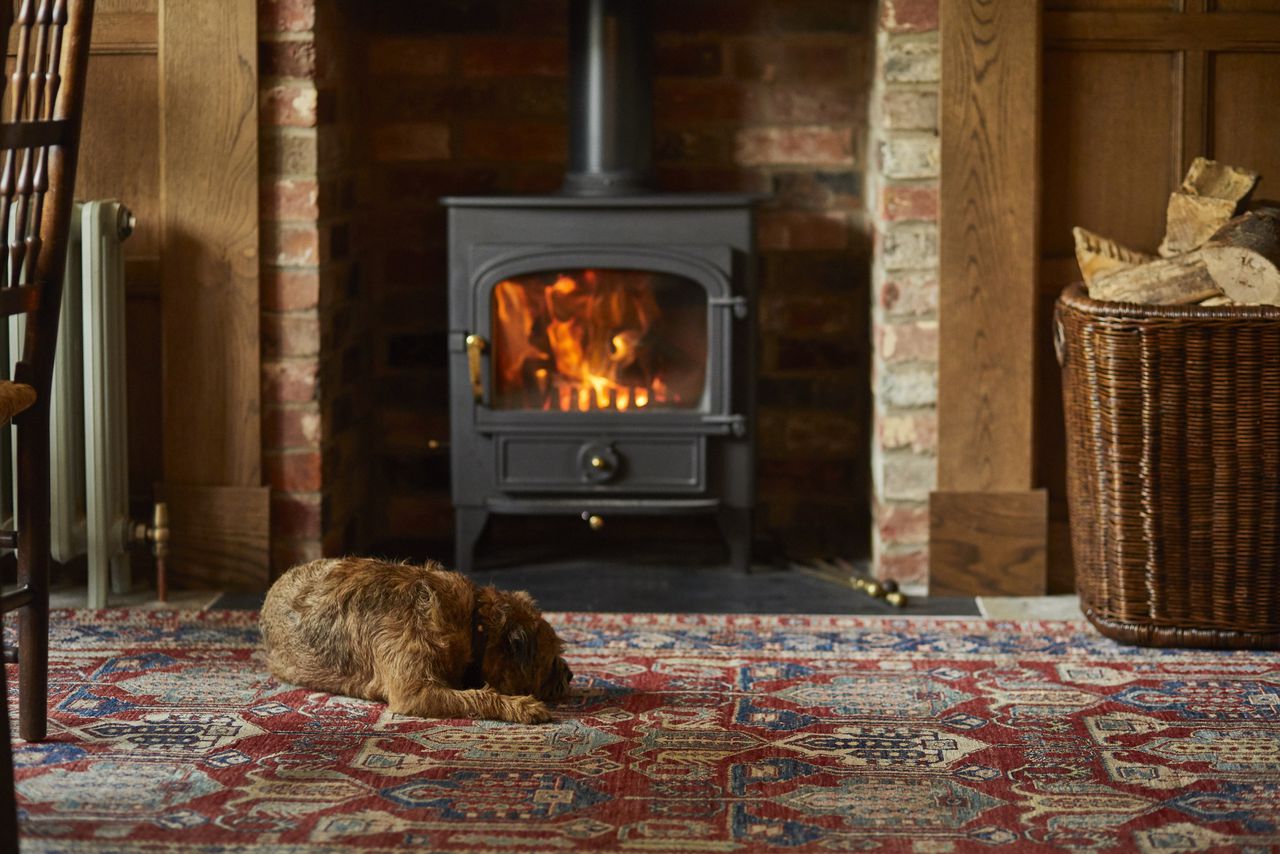
He explains that the communication was discussed in a casual forum for pub owners he put together on Whatsapp, a digital version of a conversation that already existed and evidence of one of the things that gives David confidence pubs will survive, even under such duress. “Pub owners in an area tend to know each other and help each other. I’ve even seen some change what they offer to make sure that each one has something slightly different for guests.”
With the travel industry increasingly dominated by large corporations and faceless booking platforms, it’s heartwarming to think of pubs not only as hubs of their community, but as a community themselves. “They recommend each other, support each other and discuss everything from energy prices to local farmers.”
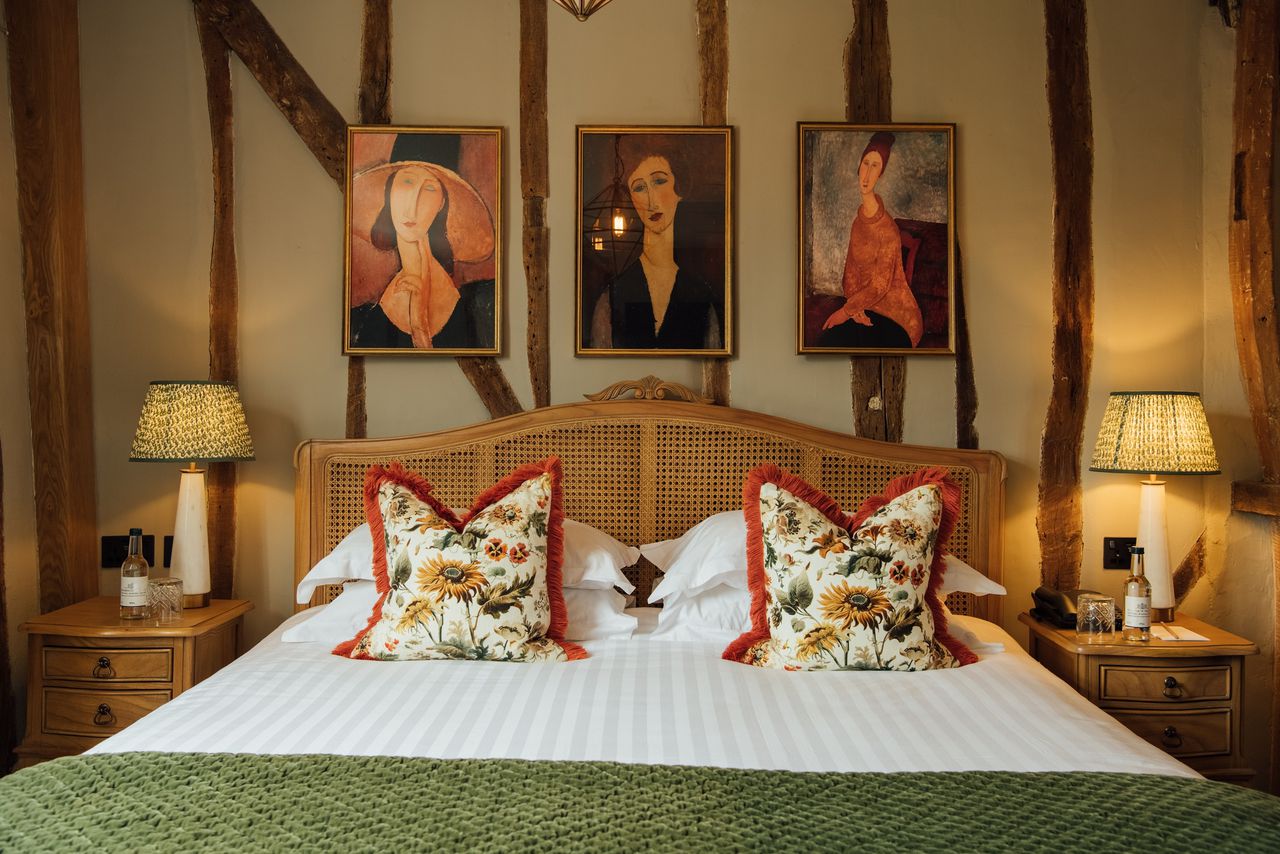
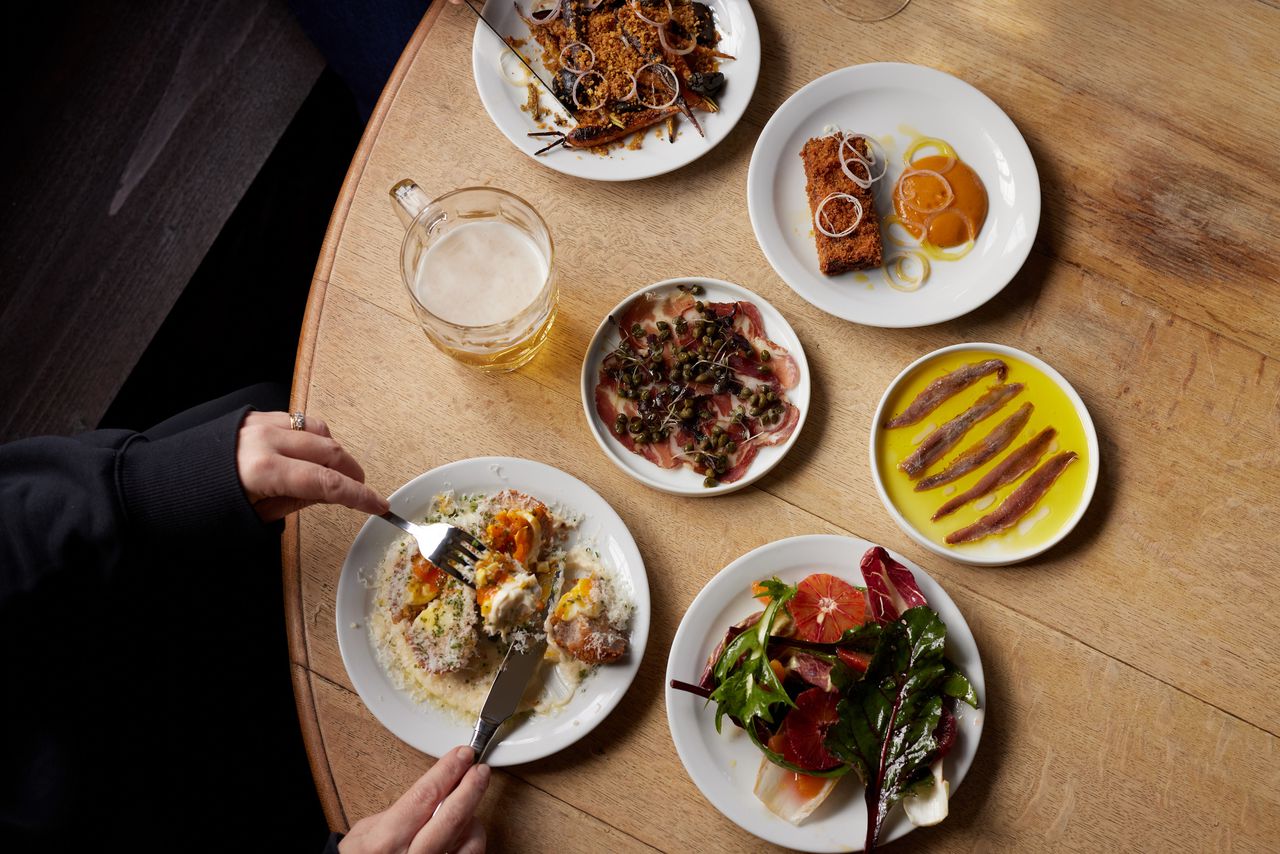
But a friendly network is not enough, pubs need guests. So, I end by asking David whether he thinks artisanal pubs with rooms are here to stay or we’ll see many going back to being locals serving nothing but pints and clingfilmed cheese rolls.
“The ones doing it right will be fine. People understand the value of what they’re providing because it’s such high quality and so well thought out. The food is incredible, the rooms are beautiful and you’re getting to stay with that level of style and service in some really remote, rural locations.”
With that, we finish the call and David gets back to what he was doing before we started, what he’s been doing for so long – planning a trip, digging up some great prospects and getting ready to spend another few days in the pub.
Browse all our pubs with rooms >
Be the first to discover our newest places, and receive travel tips from our team of experts.
Sign up >
Christopher Wilson-Elmes
Sawday's Expert
Chris is our in-house copywriter, with a flair for turning rough notes and travel tales into enticing articles. Raised in a tiny Wiltshire village, he was desperate to travel and has backpacked all over the world. Closer to home, he finds himself happiest in the most remote and rural places he can find, preferably with a host of animals to speak to, some waves to be smashed about in and the promise of a good pint somewhere in his future.
You might also like
Good Food Guide’s selection of delicious pubs with rooms
Chloë Hamilton
5 min read
The ultimate guide to pubs with rooms in the UK

David Hancock
5 min read
Pubs at the edge of story: Stays shaped by myth, books and folklore

Beth Tingle
5 min read