4 days of glorious walks in Devon: Wild paths and welcoming pubs
5 min read
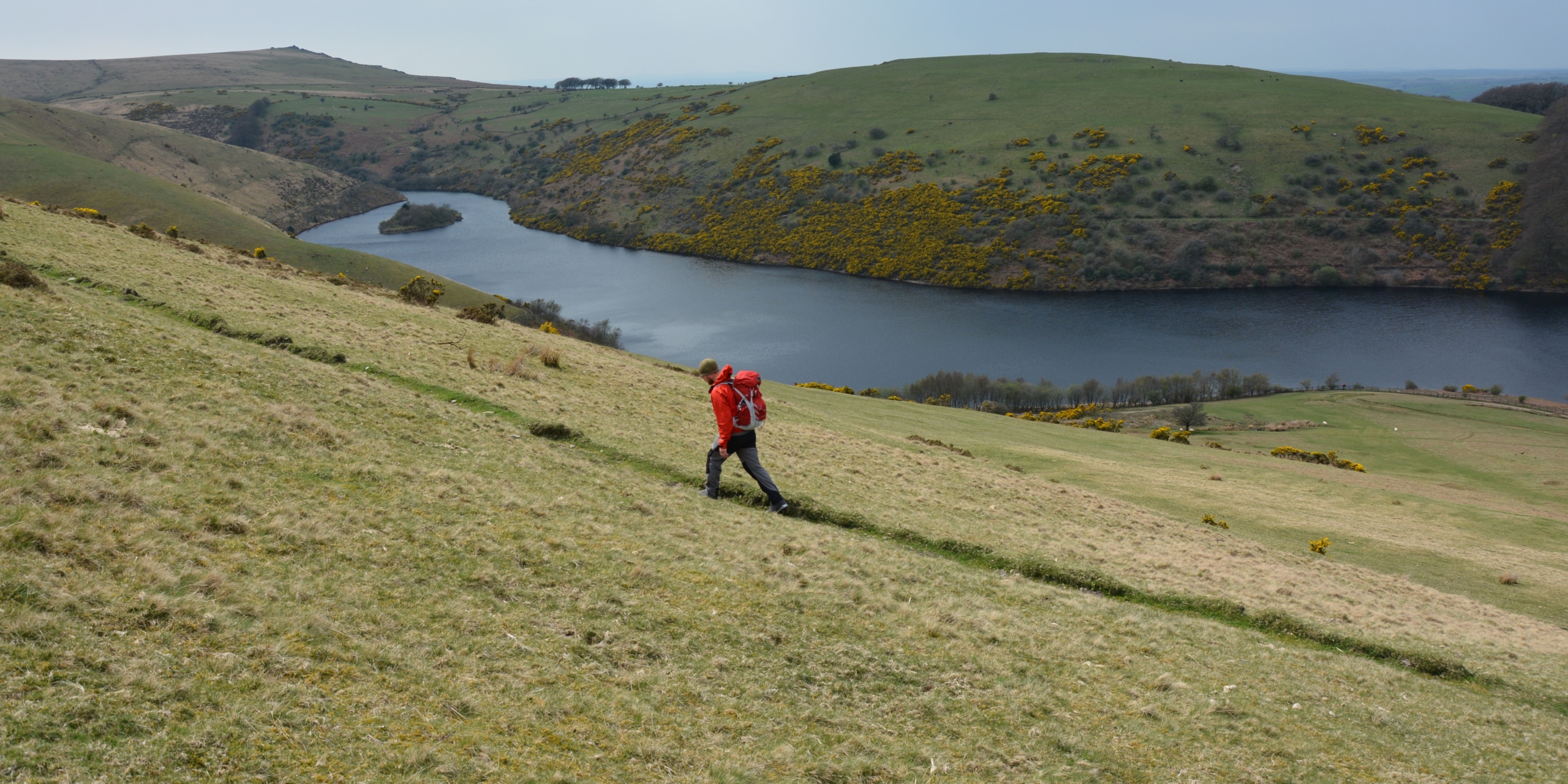
Devon’s striking coast and dramatic moors make it a paradise for the non-pedestrian pedestrian. We asked outdoor adventurers, photographers and Times columnists Jen and Sim Benson for four walks for enjoying Devon in all its splendour and places to revive your energy levels afterwards. Here’s what they recommend, from rocky valleys and sweet coves, to a quick dash across a firing range!
With two coastlines, two national parks, three UNESCO World Heritage Sites and five designated national landscapes, alongside above average year-round temperatures, Devon is a truly outstanding destination to explore on foot.
Tracing the county’s north and south coasts, the 630-mile South West Coast Path winds through traditional cob and thatch villages, rocky headlands and hidden coves, fascinating historical sites and endless beautiful beaches. Exmoor National Park, shared with neighbouring Somerset, boasts some of the wildest upland in England, while Dartmoor’s distinctive granite tors mark out a storied landscape rich in the remnants of millennia of human habitation from Neolithic stone circles to deserted medieval villages.
Walkers are well catered for, too, with cosy country pubs, sunny tea gardens and great restaurants (including five with Michelin stars) to choose from. And both the cream tea and the pasty originate in Devon – just don’t tell Cornwall.
1. Valley of Rocks, Exmoor
Distance: 7 miles
Start/finish: Lynton village centre
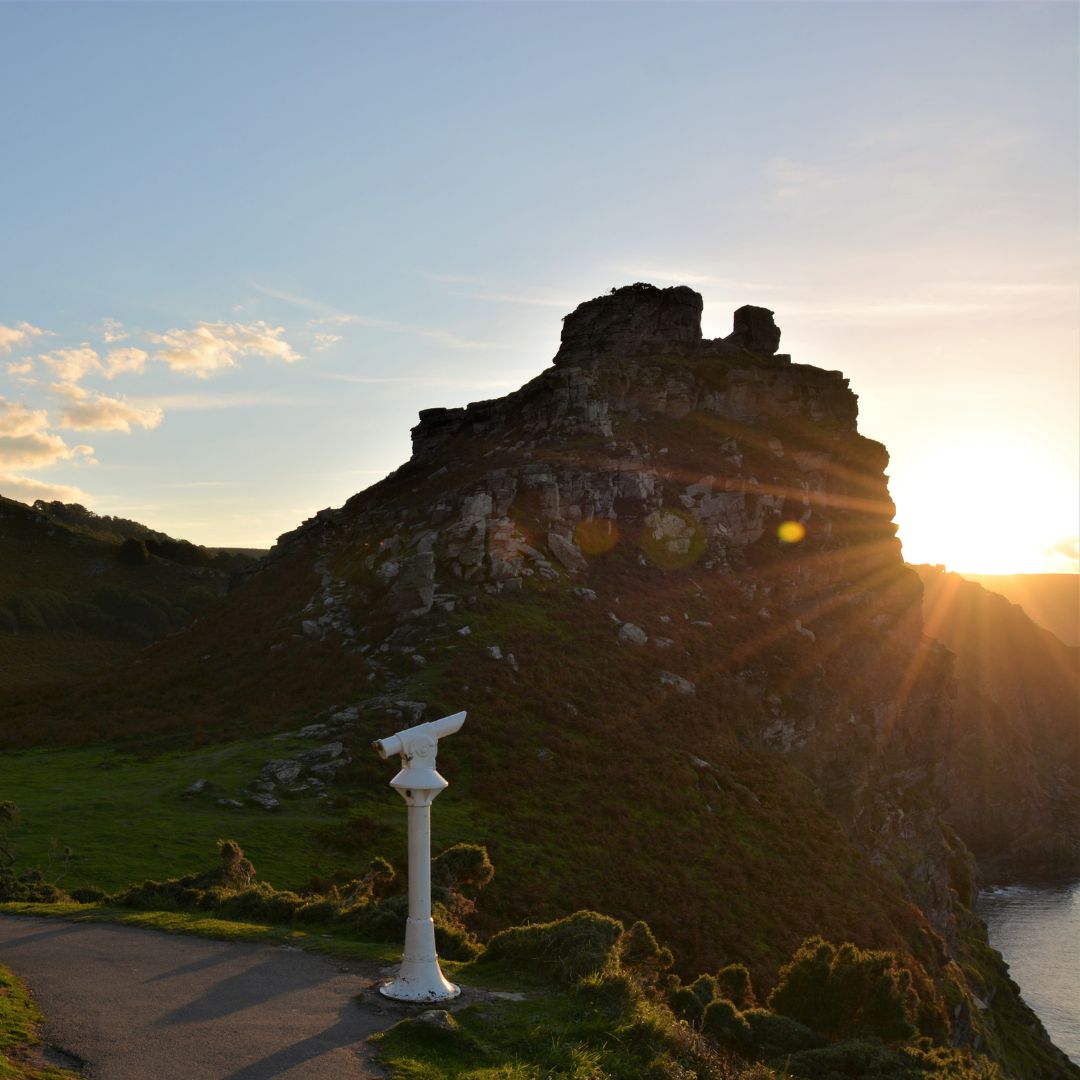
Set on Exmoor’s rugged north coast, the other-worldly Valley of Rocks was carved by an ancient river but is now a high, dry valley, dotted with intriguing stacks of weather-sculpted Devonian stone. Steeped in local mythology, with wild moors to one side and the sea to the other, it’s a place that inspired literary greats including Coleridge and Wordsworth.
Directions:
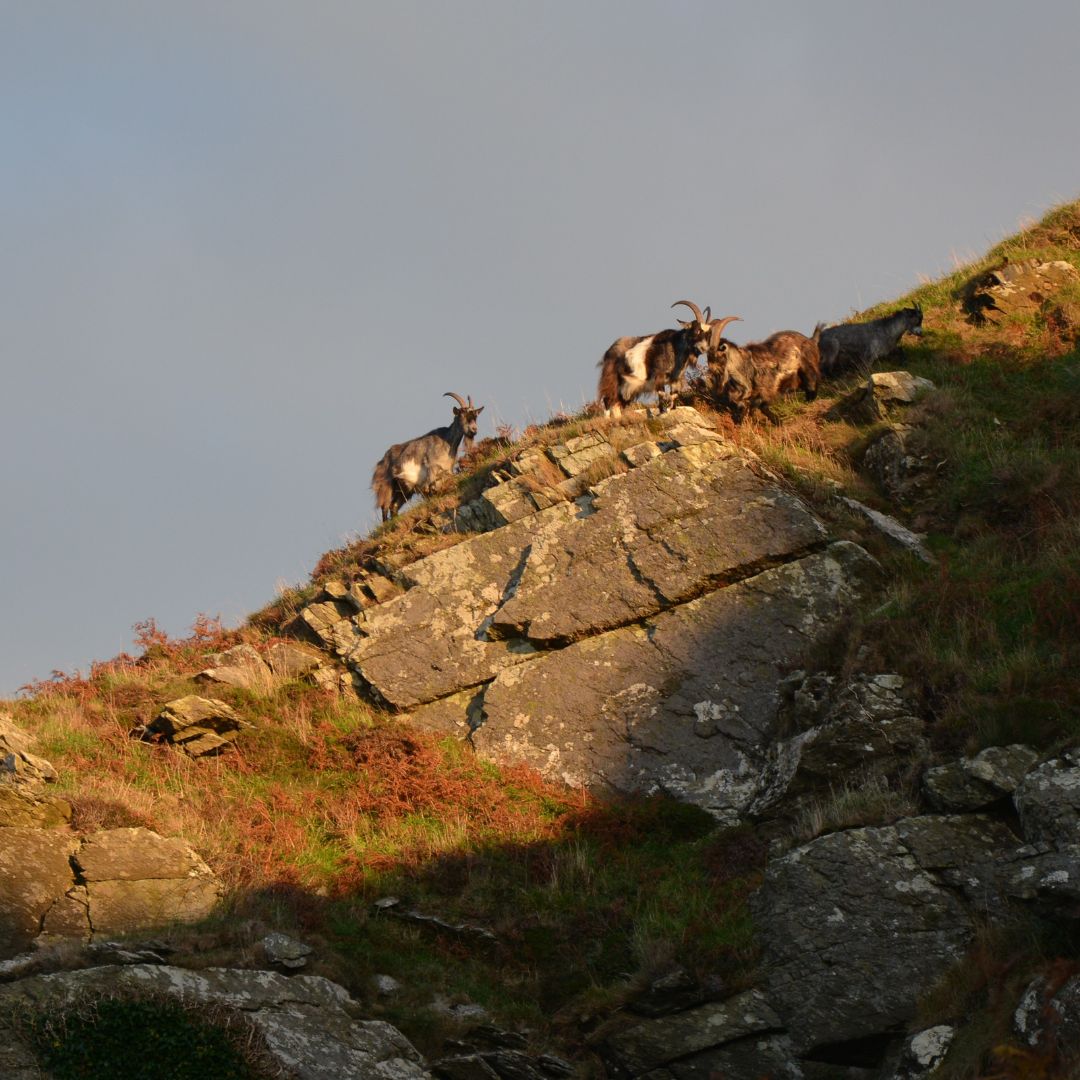
- From Lynton, with its water-powered funicular railway, follow the South West Coast Path along North Walk between the cliffs and the sea to reach the Valley of Rocks. Keep an eye out for feral goats posing on precipitous clifftops and the mysterious White Lady, hiding amidst the boulders on Castle Rock.
- Continue along the coast path past Lee Bay – the Victorian folly here was used for spotting smugglers – and around Crock Point. Leave the coast path at the road, taking the bridleway alongside a stream through Bonhill Wood. In spring and summer the woods are covered in bluebells, violets, primroses and wood anemone.
- Cross at Bonhill Bridge, following the opposite bank of the stream down through Caffyns Heanton Wood and Six Acre Wood. Zigzag up the hillside to emerge onto open heathland with grand views down to the Valley of Rocks. Follow the footpath across the heath to join the road back into Lynton.
Eat: Award-winning Charlie Friday’s in Lynton serves up hearty breakfasts, veg-packed lunches, coffee and cake plus open mic and Mexican-themed evenings.
Stay: Head west along the South West Coast Path to Constance in Georgeham, a Jacobean mansion with views out to Lundy and a rooftop bath to ease those walk-weary limbs.

2. Branscombe and Hooken Undercliff, East Devon
Distance: 4 miles
Start/finish: Branscombe village centre
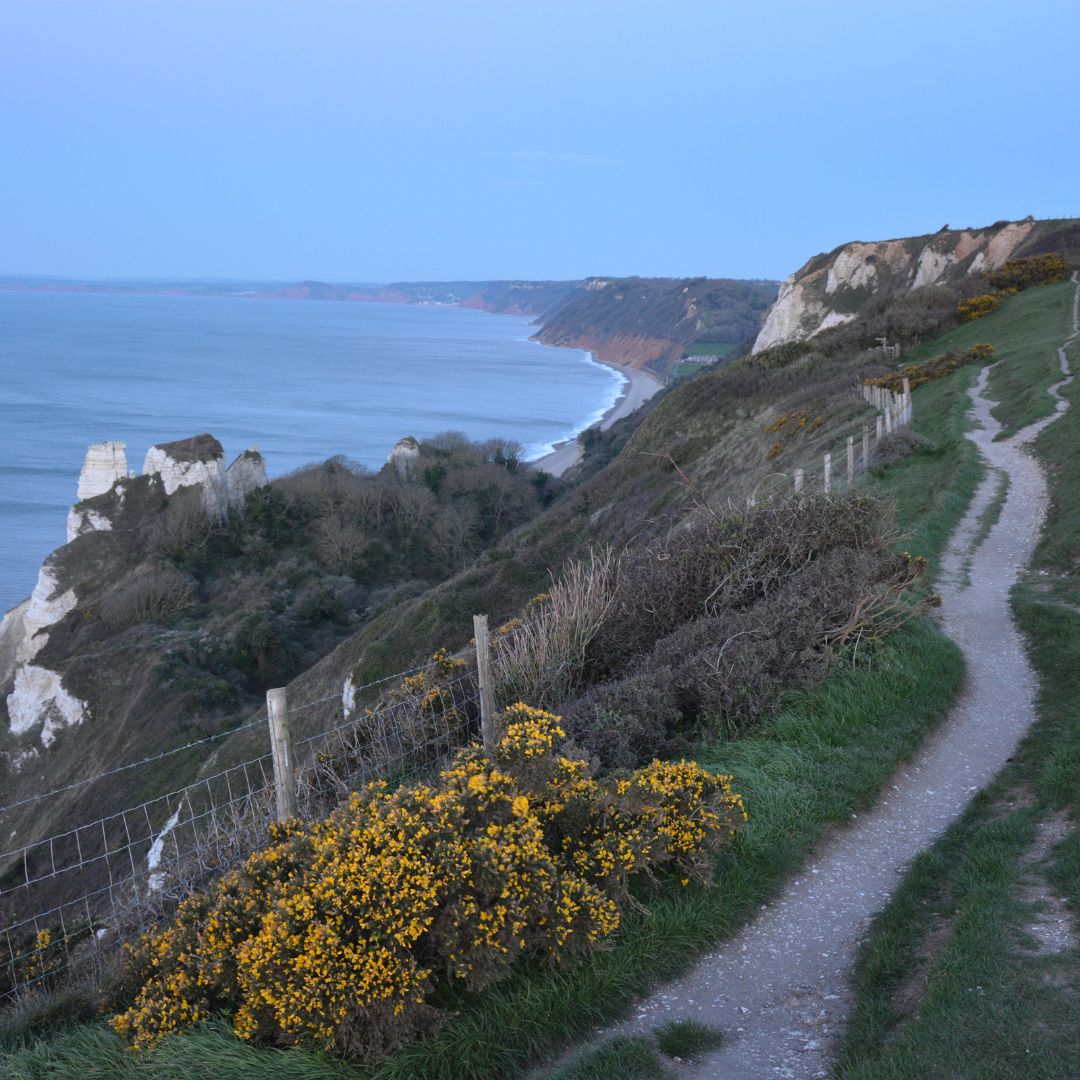
Branscombe’s long line of thatched cob cottages and pretty gardens runs down a steep-sided valley to the sea. The peaceful shingle beach bookended by towering headlands is set at the heart of the Jurassic Coast, England’s first natural World Heritage Site, which covers 95 miles of coastline showcasing 185 million years of life on earth.
Directions:
- Take the footpath behind the forge, climbing through woodland to join a lane. Bear left at the bridleway, dipping through a steep-sided valley to reach Street. Follow the lane straight ahead to Berry Barton, then the footpath left to cross fields to the South West Coast Path.
- Turn left, following the coast path past Berry Camp, an Iron Age hillfort perched high on the clifftop. The path descends through dense, scrubby woodland where primroses, red campion and purple vetch bloom, to the beach at Branscombe Mouth.
- Cross the beach, passing the 13,500kg anchor of the MSC Napoli, grounded here in 2007. Continue on the coast path up East Cliff, bearing right into Hooken Undercliff. Formed by a massive landslip in 1789, this mile-long, utterly otherworldly section of the coast path winds between towering, fossil-strewn cliffs and spires, past ivy-clad grottoes and caves.
- Climb steps to Beer Head, with fine views eastwards over Lyme Bay to Portland and west to the South Hams. Turn left, crossing South Down Common, bearing right at the top of East Cliff to descend on bridleway back into Branscombe.
Eat: Head to the Old Bakery tearooms for tea and cake; the two excellent pubs – the Mason’s Arms and the Fountain Head; or the award-winning Branscombe Brewery.
Stay: The 14th-century, timber-framed Mason’s Arms offers a warm welcome at the heart of the village (masonsarms.co.uk)

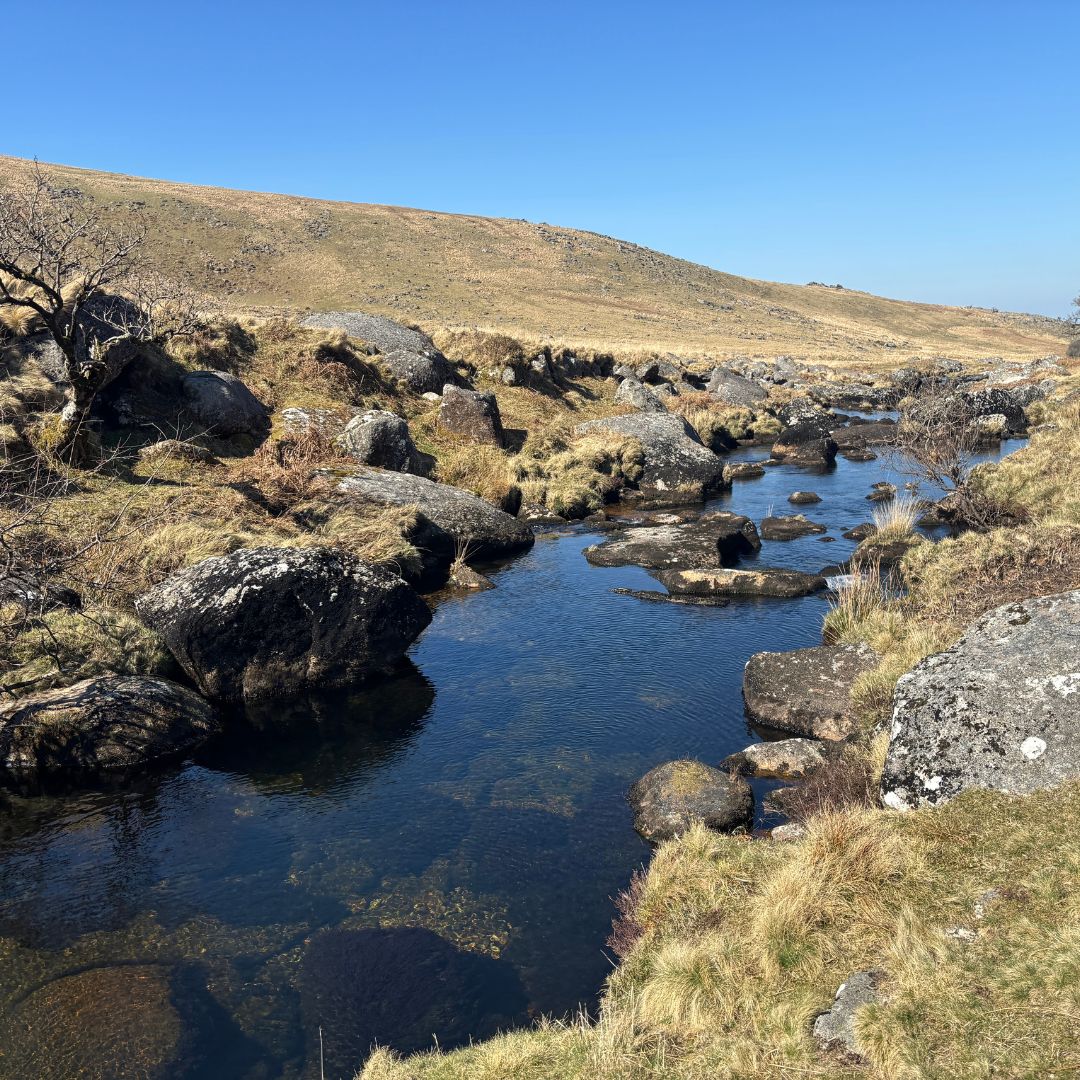
3. Yes Tor and High Willhays from Okehampton, Dartmoor
Distance: 12 miles if starting from Okehampton station, 7 miles if starting at Meldon car park.
Start/finish: Okehamption train station
Okehampton station, just 40 minutes by train from Exeter, was closed to passengers in 1972, only returning in 2021 – a boon for both locals and visitors. From the pretty, green-painted station you’re straight onto Dartmoor, with the national park’s highest summits – Yes Tor and High Willhays – within easy reach. The Dartmoor Way takes a more level route, skirting the edge of the moor from Okehampton to Lydford, home to spectacular Lydford Gorge (National Trust).
Directions:
- Turn left out of the station following the Two Castles Trail, which links the Norman castles at Okehampton and Launceston, to Meldon Dam. Built in the early 1970s, the dam rises over 55 metres above the glacier-carved depths of Meldon Gorge.
- Cross the dam, turning right to follow the shore path to the end of the reservoir. Turn left, following the West Okement River upstream to Black-a-Tor Copse, a National Nature Reserve and remnant of ancient, high-altitude oak woodland – one of only three left on Dartmoor.
- Continue to the top of the valley, bearing left to climb to the summit of High Willhays. Continue on ridge to prominent Yes Tor summit. Turn left and head downhill across rough moorland to reach track junction (569906). Follow track around Longstone Hill and down to dam. Cross to return to the start.
NOTE: High Willhays and Yes Tor lie within the Okehampton live firing Range. Check firing times before visiting.
Eat: The Bulleid Buffet at Okehampton station for coffees and snacks, or for rambler-friendly fine dining head to nearby Lydford and the award-winning Dartmoor Inn.
Stay: The award-winning 16th-century Castle Inn, Lydford.

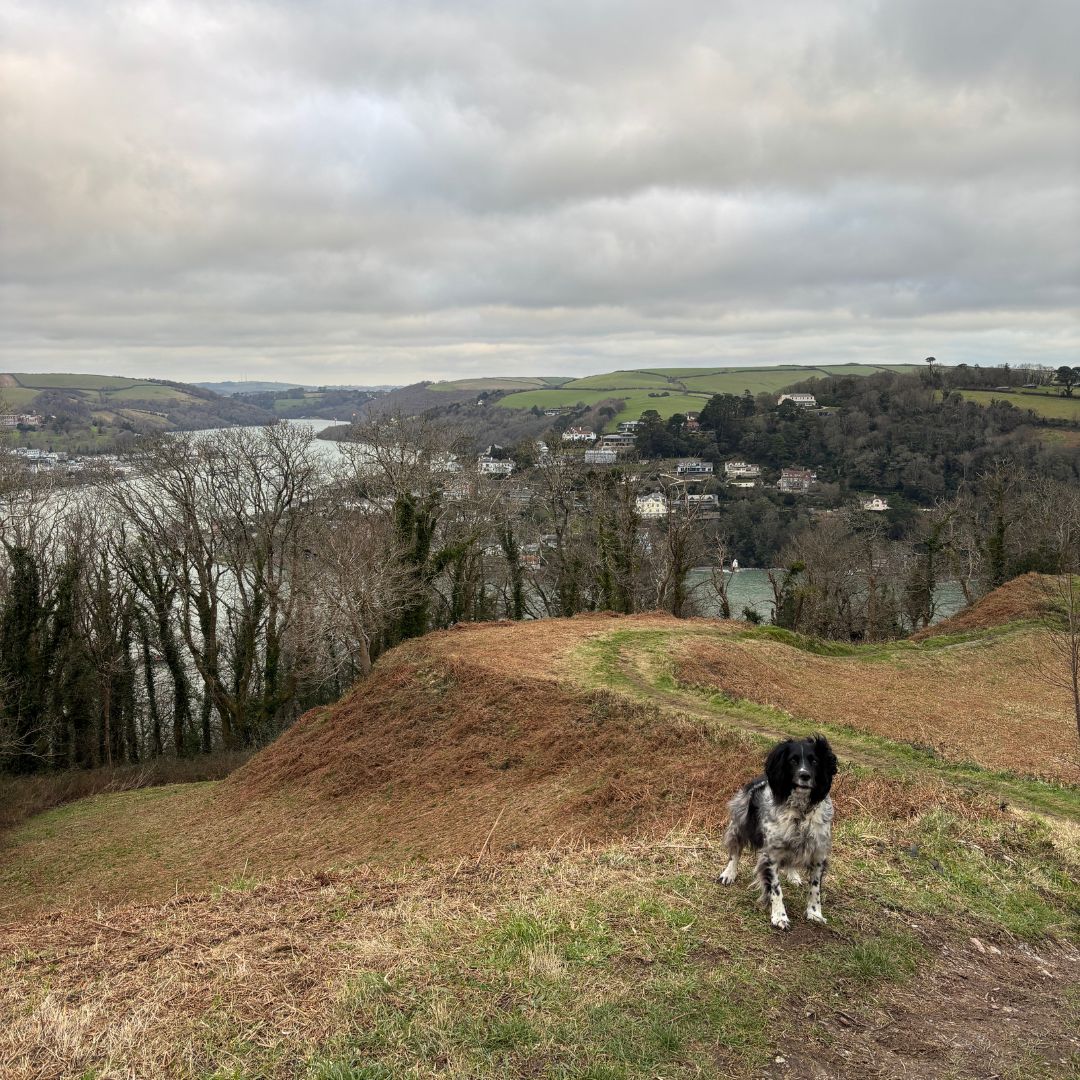
4. Dartmouth Castle and Gallants Bower, Dartmouth, South Hams
Distance: 5.5 miles
Start/finish: Dartmouth waterfront
Dartmouth, on the spectacular Dart estuary in Devon’s South Hams, is a wonderful year-round walking destination. Spring brings sunny daffs and bluebell woods; summer laid-back alfresco dining overlooking a flotilla of colourful boats in the harbour; and then glorious autumnal tones and windswept winter walks on the coast path that finish in a cosy cafe.
Directions:
- Follow the harbour edge with the estuary to your left out of town and down through Bayards Cove Fort. This rock-hewn, 16th-century artillery blockhouse was Dartmouth’s last defence against unwelcome visitors who had evaded the twin castles at the entrance to the estuary. Continue around One Gun Point to Dartmouth Castle, built in the late 1400s alongside Kingswear Castle on the opposite bank. A hefty chain would have been slung between the two to obstruct attacking ships.
- Follow the coast path to the beach at Sugary Cove, rounding Blackstone Point to reach a high point above Compass Cove, a fine spot for rockpooling. Across the estuary, on the skyline above Froward Point, stands Kingswear Daymark, an 80-foot-high octagonal navigational beacon built in 1864. Below the tower, just off the rocky headland, the wave-washed Mewstone is a popular haul-out for grey seals.
- At Little Dartmouth car park turn right and follow the track inland through Little Dartmouth Farm, bearing left through woodland to reach the extraordinary hillfort at Gallants Bower. Built to defend Dartmouth against the Parliamentarians in the 1640s, it was dismantled in 1650 but remains one of the best-preserved of its kind in the country. Pause to take in far-reaching views along the estuary, then take a winding path downhill through old woodland to the road at Weeke Hill. Turn right to rejoin the coast path back into Dartmouth.
Eat: Cosy coffee and crepes at Billig et Rozell Crêperie, Dartmouth (01752 963736) or top-notch Mediterranean cuisine at Amalfi Kitchen, Dartmouth.
Stay: The Royal Castle, Dartmouth, in a spectacular setting overlooking the harbour.
Explore our special places to stay in Devon >
Want more travel inspiration? Get our email updates direct to your inbox >
Sign up >
Jen & Sim Benson
Jen & Sim Benson are outdoor adventure writers and photographers with a passion for wild places. They’ve authored 12 books including The Adventurer’s Guide to Britain (Bloomsbury), Great British Walkies (National Trust Books), Wild Running (Wild Things), 100 Great Walks with Kids (Bloomsbury) and the forthcoming Classic Country Walks (National Trust Books). Regular contributors to Runner’s World, Trail and Walk magazines, they write a weekly column – A Good Walk – for The Times Weekend. @jenandsim (Instagram), jenandsimbenson.co.uk.
You might also like

3 days in South Devon with a gallerist: Art, coast, and great food

Emily Hadley
5 min read
Shop, eat and live local in Appledore, Devon: An owner’s guide
Amanda Roberston
5 min read

Six of the prettiest towns and villages in Devon

Beth Tingle
5 min read