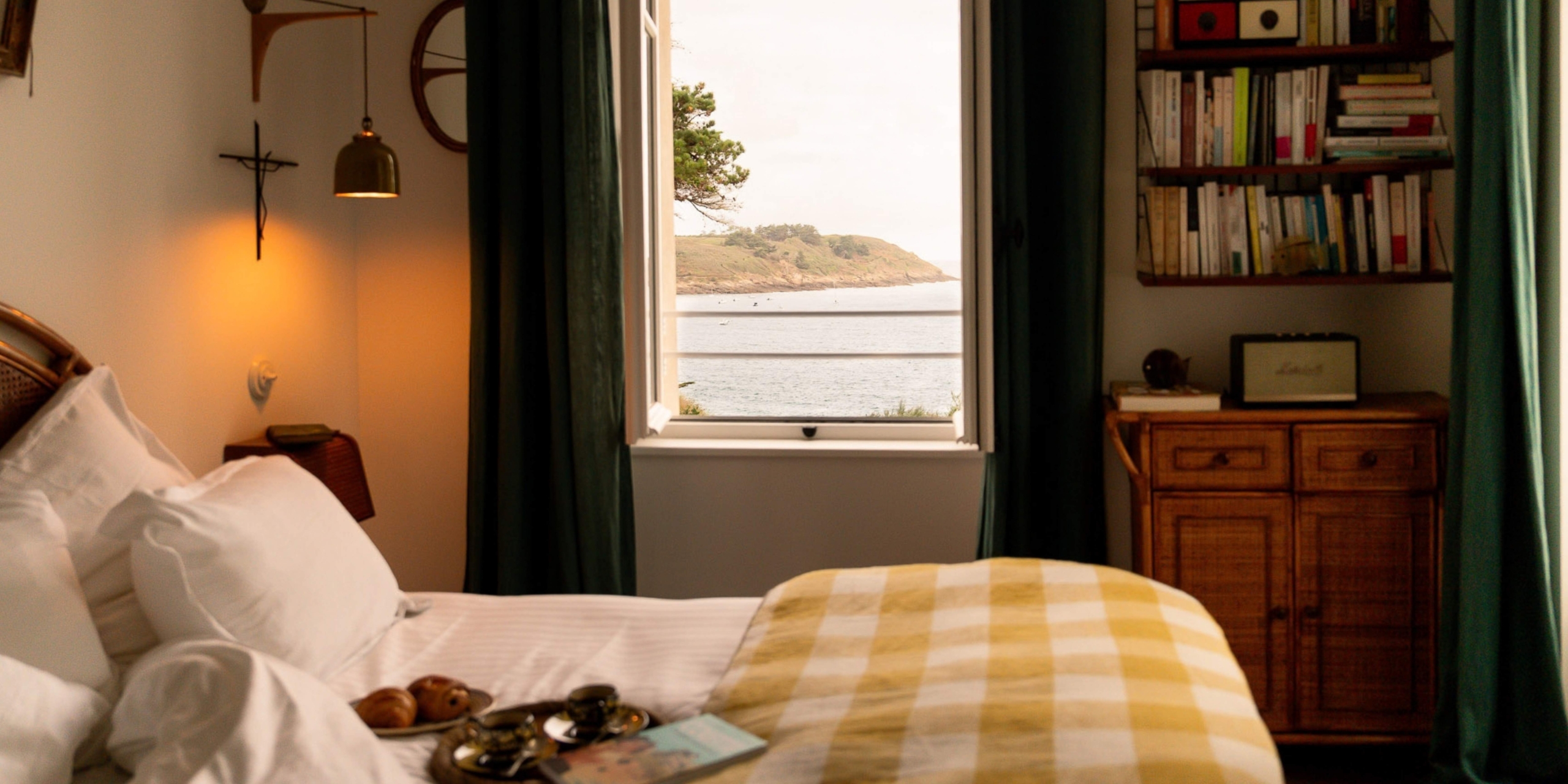
The restoration of Colette’s beach house in Brittany

Sawday's Expert
5 min read
Pierre-Emmanuel Poujardieu, owner or Roz Ven on Brittany’s north coast, talks about the challenges and the joy of restoring the historic beach house and creating a new place with an old soul.
Perhaps the last thing you’d want if you were restoring a historic property is to have a ticking clock hanging over you. So, when Pierre-Emmanuel Poujardieu bought RozVen, once the home of the author Colette, he must have been slightly vexed that his nephew asked to hold his wedding there… with only six months’ notice.
When we talk for the first time, Pierre-Emmanuel is calling me from the roof of a hospital. The next time we talk, he’s in a taxi. Clearly, this is a man who is not often idle. I later learn that he has somehow ended up part-owner of a vineyard and also, more curiously, a hydroelectric dam. It’s a wonder he found time for the RozVen project at all.
How he came to own the famous house near St Malo on Brittany’s north coast is a combination of simple geography and remarkable luck. The simple bit is that he lived so nearby he’d often cycle past. Even from those casual glimpses, it was hard not to notice the neglect of the place, which had become a rarely used holiday home of the current owners.
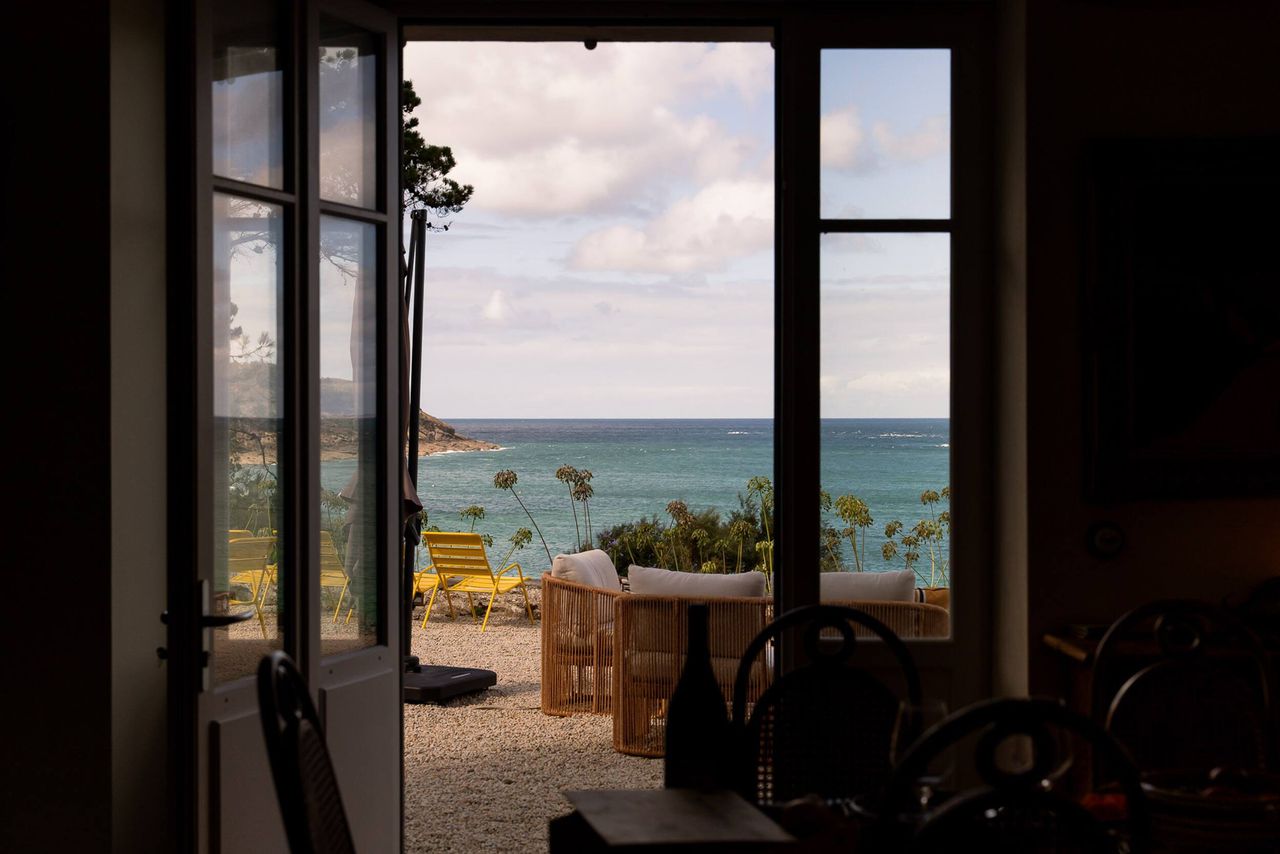
“Then one day, I was in Paris, at some gallery event, with a friend” Pierre-Emmanuel explains with a mystified smile at what he’s about to reveal. “He introduces me to a man who tells me he’s in property. He happens to mention that he’s just been asked to sell Colette’s home, RozVen. He asked me if I’d heard of it! This was two weeks before it was going on the market.”
Pierre-Emmanuel was instantly captivated by the idea. When he got home, he talked to his wife. “We thought about it for a long time,” he says, before adding, “about an hour.” I say that sounds like a snap decision but he simply shrugs. It’s all relative of course. Maybe he only spent a few seconds deciding on the dam. The purchase took some time, but eventually they were able to get in and discover exactly what they’d taken on.
Pierre-Emmanuel looks thoughtful as he remembers the early days at RozVen. “We spent some time in the house, a week here and there, before we decided what to do with it. It was only once we started the renovations that we realised the beams supporting the upper two floors were not really attached to the walls. They were just resting there. The whole thing could have fallen down on us at any moment.” With perfect timing, it was around then that the wedding idea was first floated, turning a complex restoration problem into a race against the clock.
Work began in earnest. The only solution for the loose floors was to gut the place entirely, creating what came to be referred to as “the cube”, an empty shell of tall walls with a roof over them. Such a sweeping redesign changed the nature of the challenge, turning it into a balancing act between maintaining the feel of the place RozVen had been while also making it fresh and modern. I ask Pierre-Emmanuel if that had been a tough line to tread, but like many of the incredible things at RozVen, his explanation makes it seem simple. They got expert help.
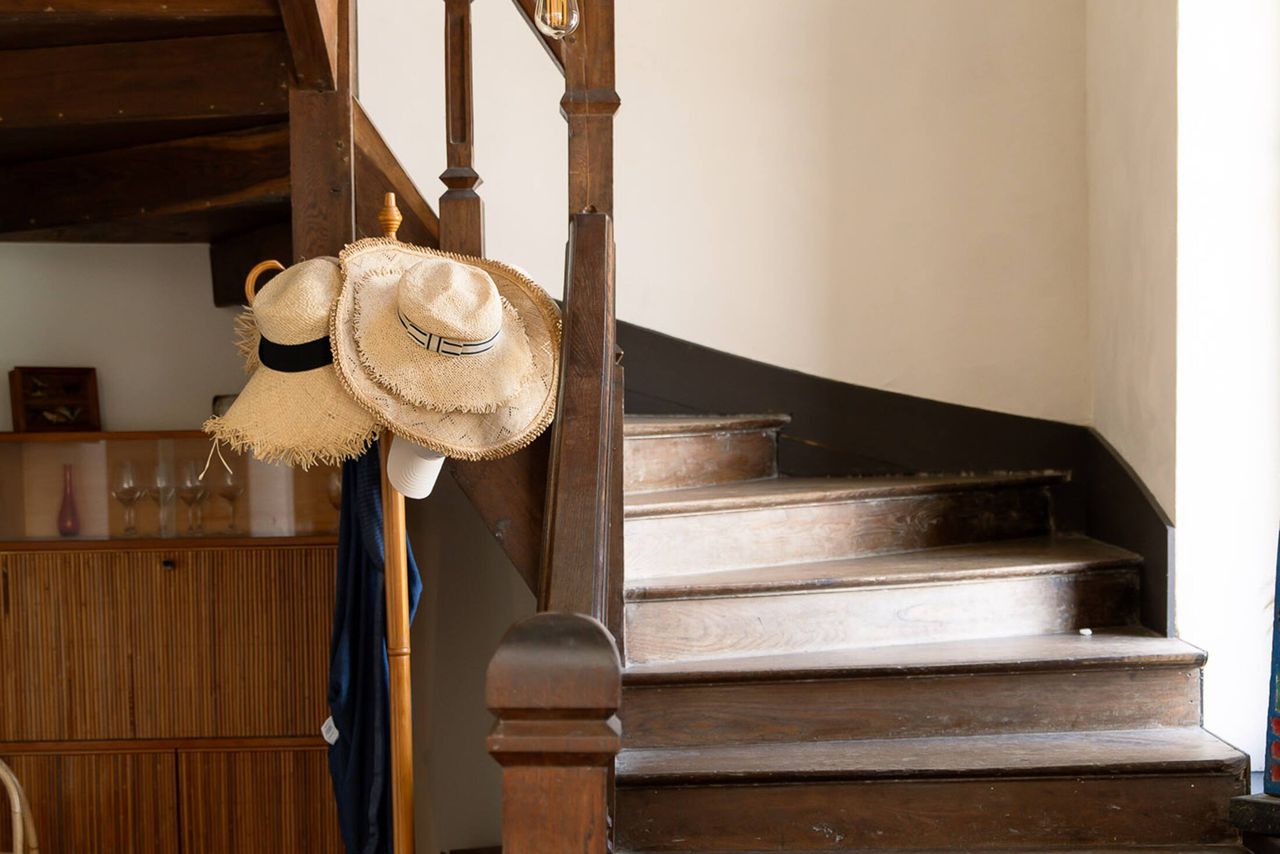
Knowing there was no way they alone could complete the colossal amount of work with the requisite speed, sensitivity, care and love, they put a team together. Pierre-Emmanuel is unclear on exactly how many people pitched in at RozVen, but he knows it’s around 130. They were artisans, craftspeople and skilled practitioners of every trade. They all bought into a vision of what the place could be. Chief among them was Olivier Jobbé Duval, who brought decades of restoration experience to the project through his work on churches and historic buildings all over France. Under his careful guidance, the new RozVen flourished.
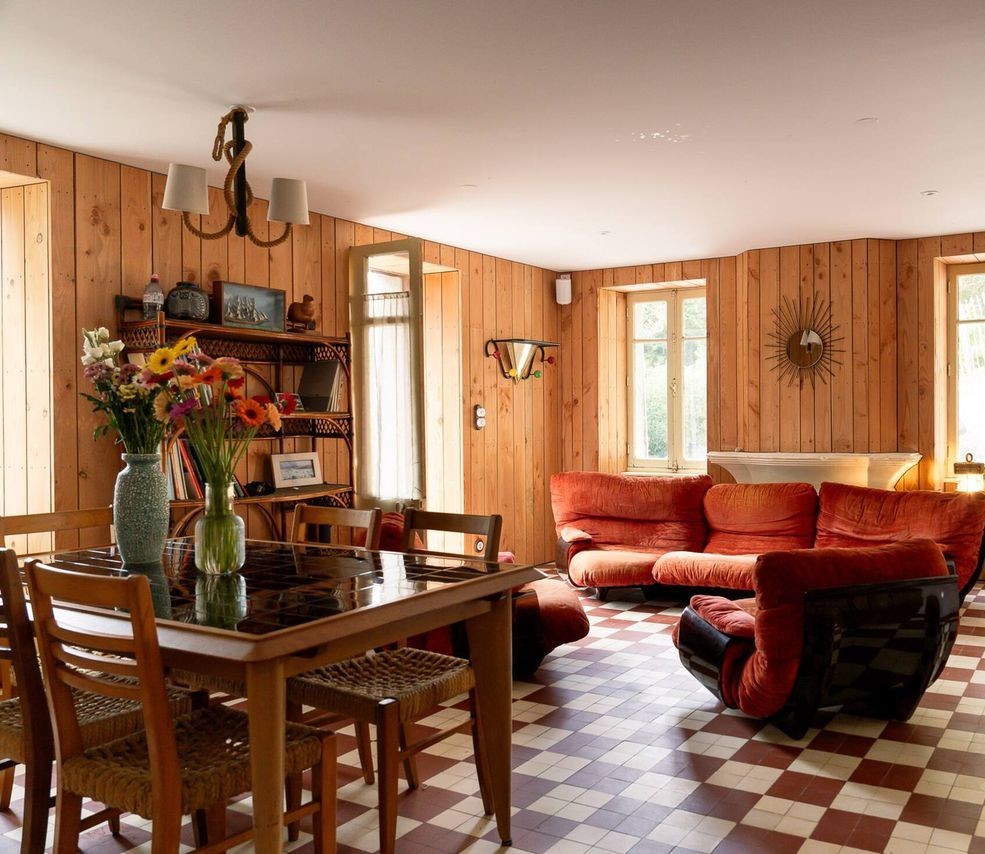
When the rough outline was in place, the details could begin to be filled in. “My wife has a real eye,” he begins, “and we knew how we wanted it to be. Not a Colette museum, not a recreation, but a new place with an old soul.” He talks about opening up the lower floor, going from three small rooms to one large, open plan space. The upper floor rooms were given more scope and light as well.
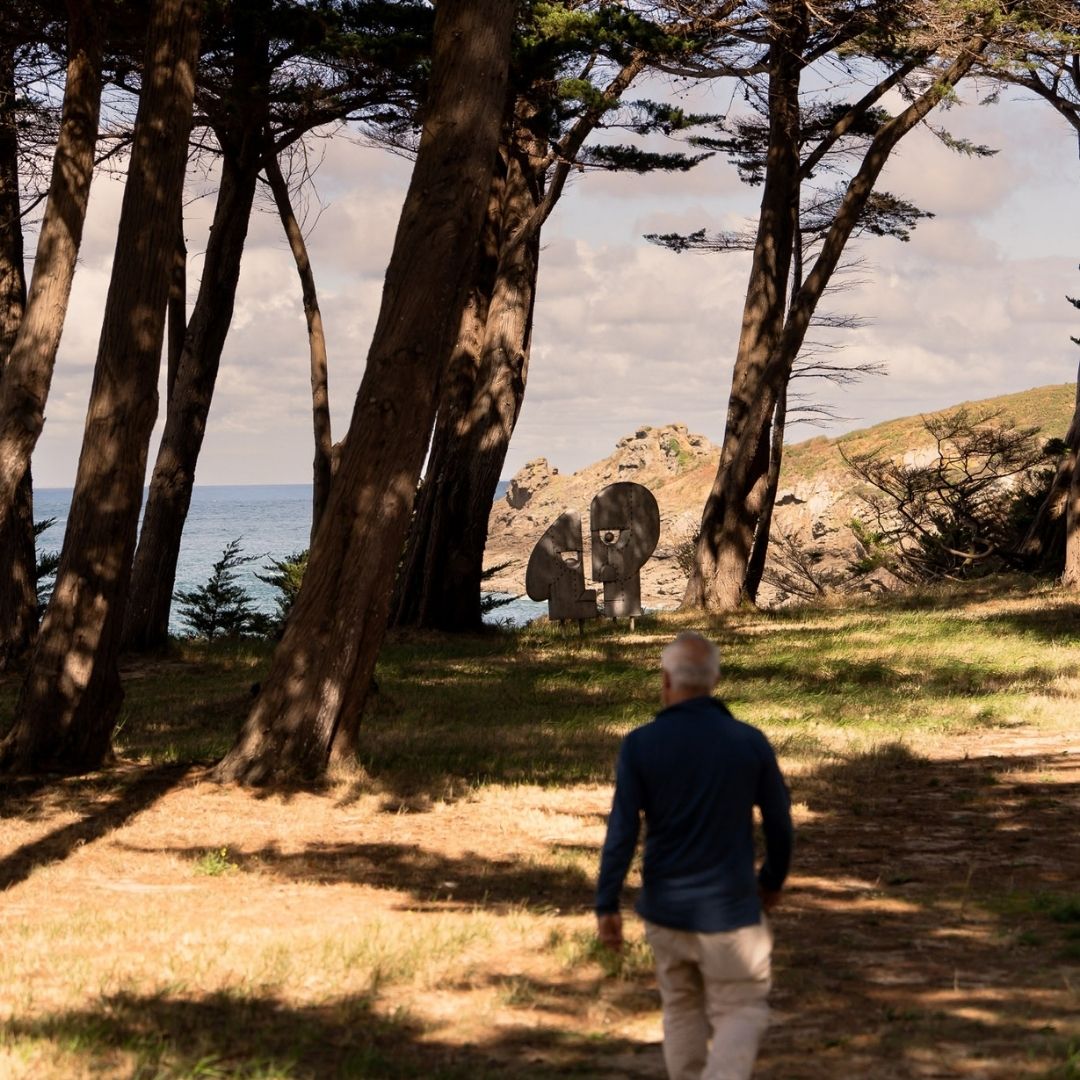
Through a handy contact in an antique dealership, they got first look at some fine pieces of furniture, whisking them away before they went under the hammer. A collection of pieces spanning various eras followed. Not always antiques, not always by famous designers. A red 70s sofa sits near a portrait of Pierre-Emmanuel’s grandmother. In one room there’s a Breuer chair, in another a Domine. In the garden, a replica of the sculpture from the cover of Pink Floyd’s Division Bell catches the eye. Alongside this were choices made to help preserve the spirit of the building, such as reinstalling all the original doors and carefully sourcing matching handles from the period.
The design though, was about more than style, it was about making the place a home, somewhere that guests would feel instantly welcome and find living fabulously easy. Again, Pierre-Emmanuel worked from some simple principles. “Where do you sleep? Where do you relax? Where do you eat? Near the fridge!” He wanted visitors to experience everything that the area had to offer – its food, its scenery, its wildlife. He knows the best place to get every local specialty, try every delicacy and even, through yet another useful contact, have lobsters brought to the house by a local fisherman, for an unforgettable cooking and dining experience.
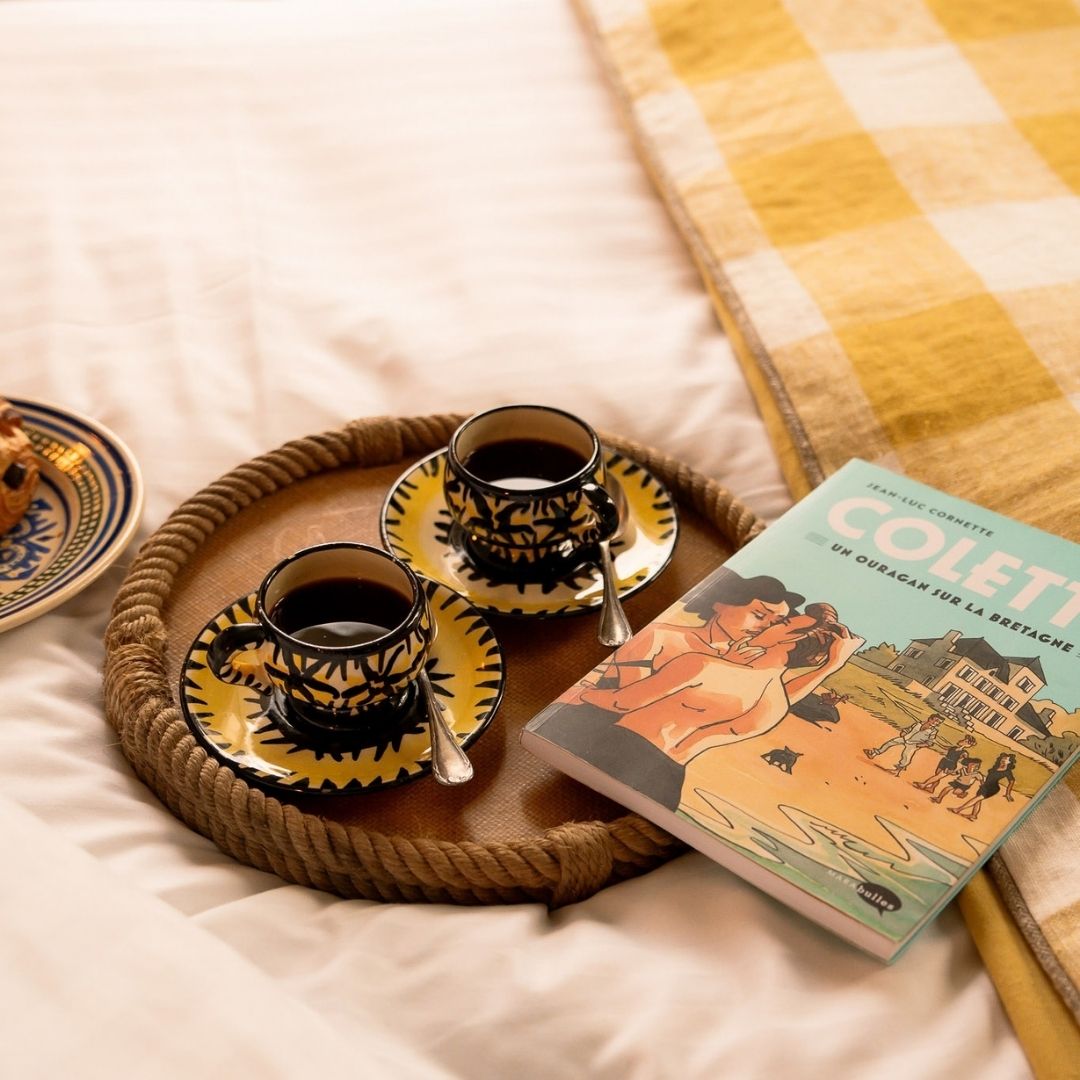
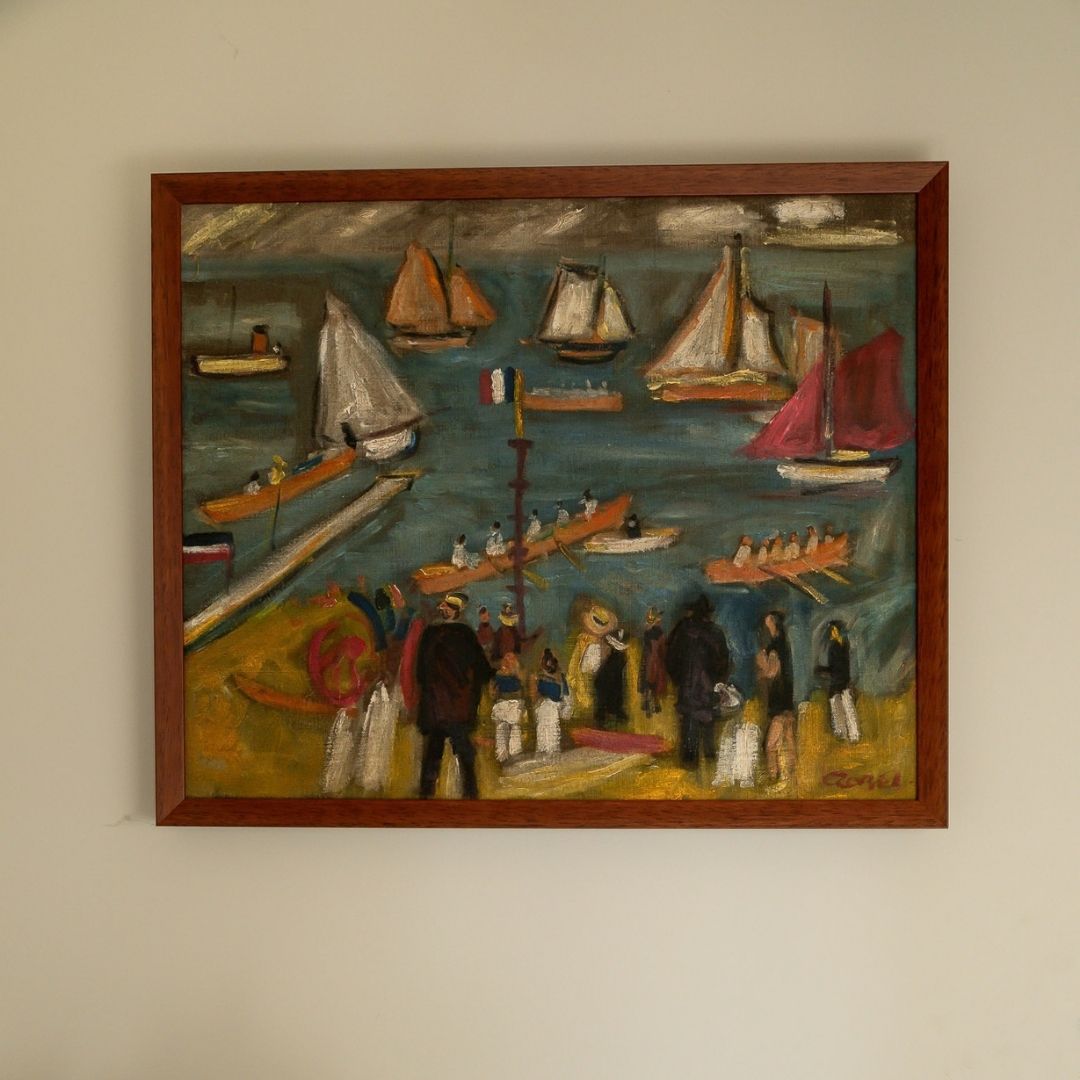
Of course, while he was considering what he could offer small groups of guests, Pierre-Emmanuel was also planning for a slightly larger influx of people. Even as a furious final flurry of work brought RozVen almost to completion, the wedding day was approaching. Plans were laid for catering, the use of the house and, most intriguingly, for a large marquee in the garden, which gave him an idea.
“After the wedding,” he says with a smile, “we kept the marquee up for a few more days. So many people had given so much to the project that we wanted to say thank you, so we threw a big party for everyone who had helped us, with a little surprise for Olivier.” Unbeknownst to the restoration expert, Pierre-Emmanuel had recorded videos of almost every craftsperson saying how much working with Olivier and on RozVen had meant to them. He showed it at the end of the party.
“Oliver cried. I cried. Everyone cried! I’m crying a little now, just thinking of it.” he says, “I cry a lot when I think about RozVen! When I talk about it.” I ask him if there were ever moments when it all seemed too much, when the tears weren’t from happiness. He shrugs again. “I loved it. I love being here, of course, but what I love more is the execution, working with my mates, with the craftsmen, feeling the energies that everyone brought to the project.”
With the wedding and the party over, normal life resumed, or perhaps was allowed to begin. Pierre-Emmanuel has welcomed many guests since then and seen them respond in myriad ways to RozVen’s blend of history, style and nature. There is no doubt in his mind that it has all been worth it. Well, perhaps a little doubt. As we end our conversation looking back over the whole scope of the project, he lets slip a secret confession. “In that initial conversation when we thought about buying RozVen, my wife said no. She thought it was beyond our means, a bad idea. All these years later, maybe she is still right!” With the amount of passion, care and consideration they have both poured into it, it’s clear he doesn’t believe that for a second.
View all our special places to stay in Brittany >
Want more travel inspiration? Get our email updates direct to your inbox >
Sign up >
Christopher Wilson-Elmes
Sawday's Expert
Chris is our in-house copywriter, with a flair for turning rough notes and travel tales into enticing articles. Raised in a tiny Wiltshire village, he was desperate to travel and has backpacked all over the world. Closer to home, he finds himself happiest in the most remote and rural places he can find, preferably with a host of animals to speak to, some waves to be smashed about in and the promise of a good pint somewhere in his future.
You might also like
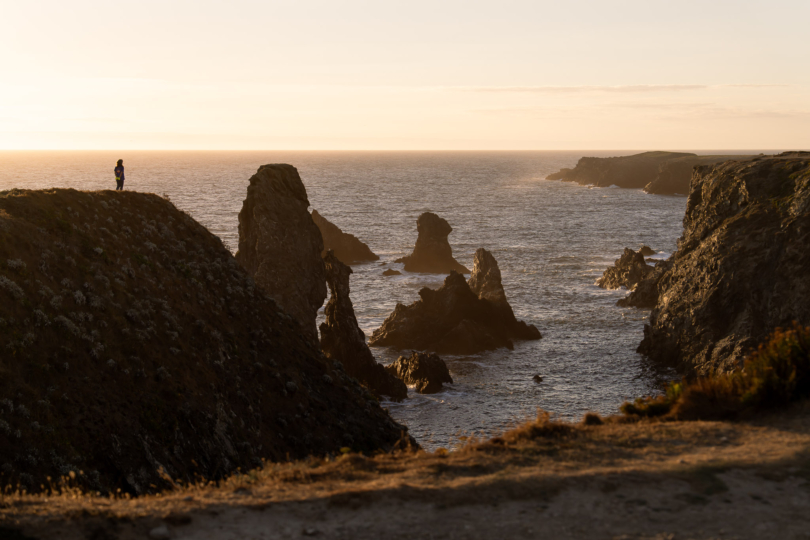
7 days off-season in Brittany, on the trail of great painters
Christopher Wilson-Elmes
Sawday's Expert
5 min read
4 days in Mèze: Oysters, vineyards and the art of slowing down
Tamsin Mackinnon
5 min read
6 days in southern Corsica: Abandoned villages, mountain forests and beautiful beaches
Hervé Bougon
5 min read