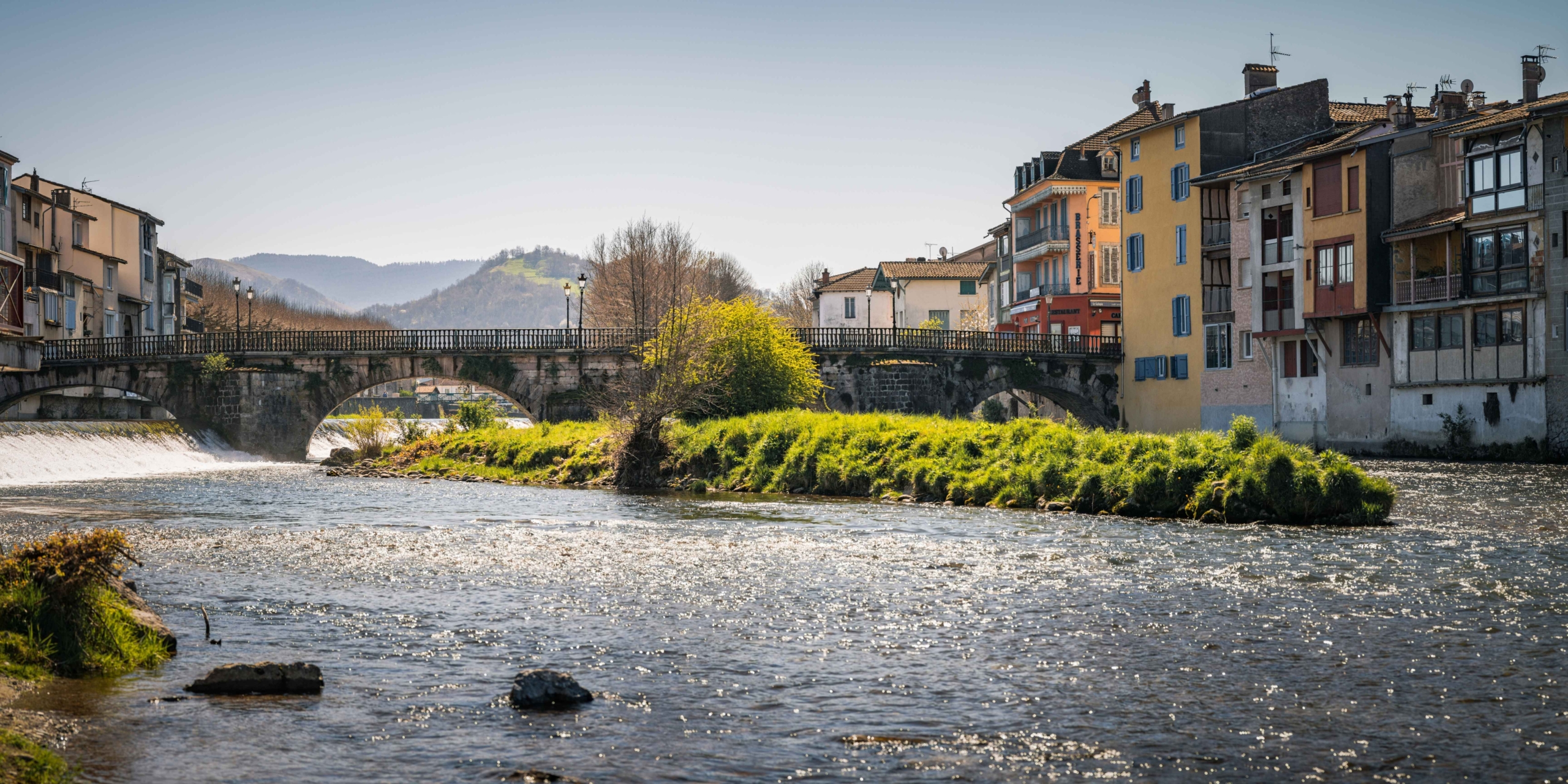
In the foothills of the French Pyrenees: a two-day itinerary for soft adventure & sublime cuisine
5 min read
Travel writer and dog-friendly travel expert Lottie Gross lays out a Pyrenean plan packed with vineyards, history, views, markets and gentle ambling.
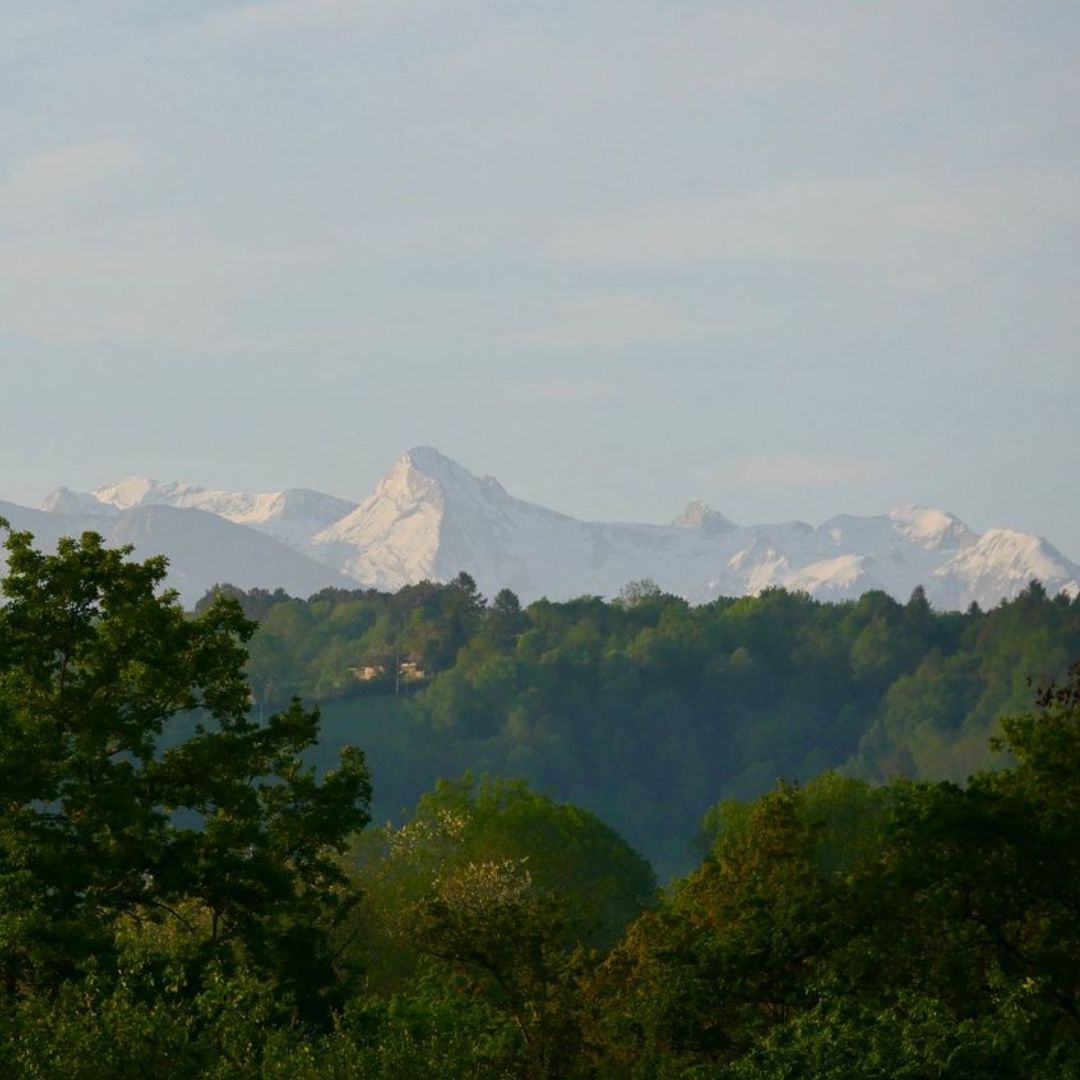
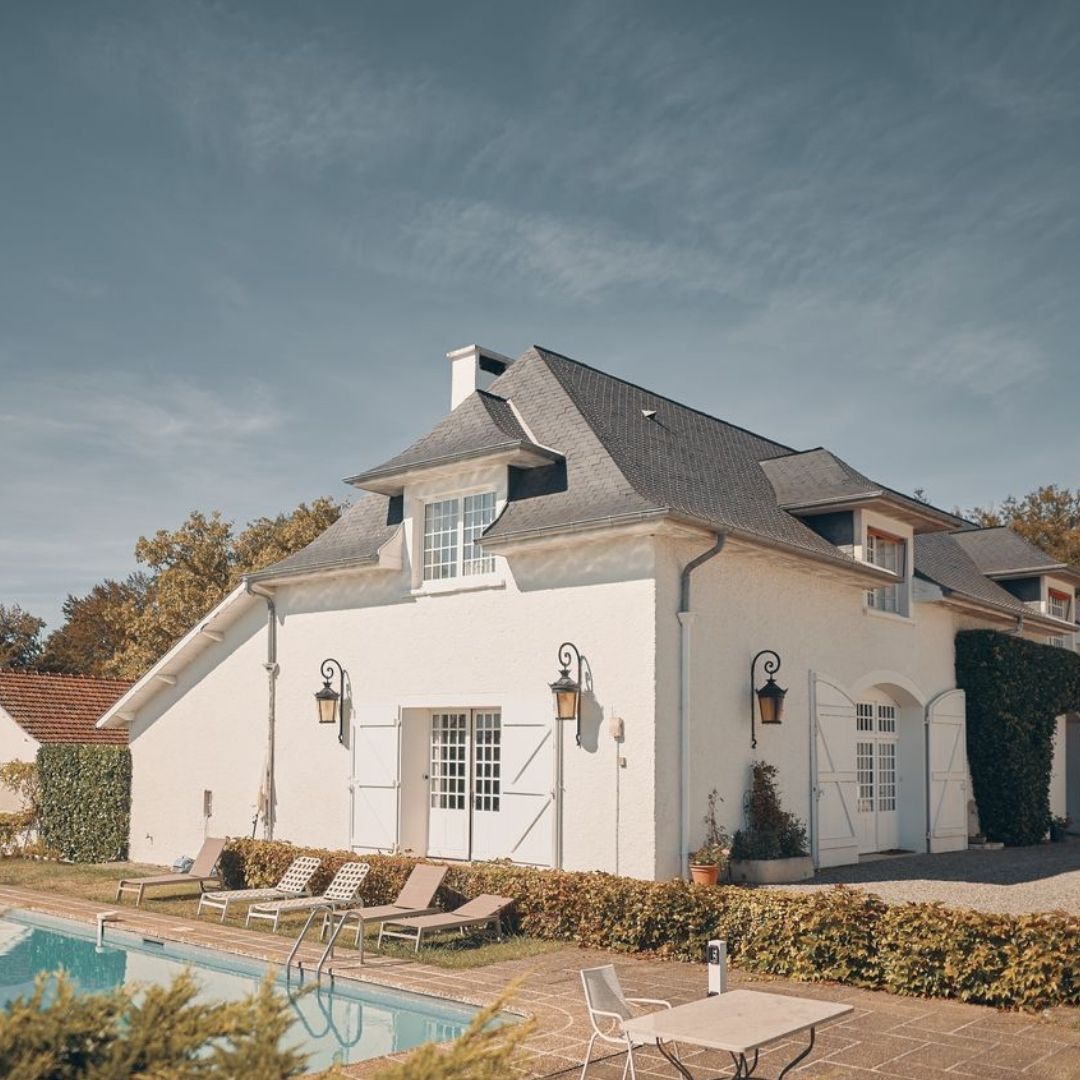
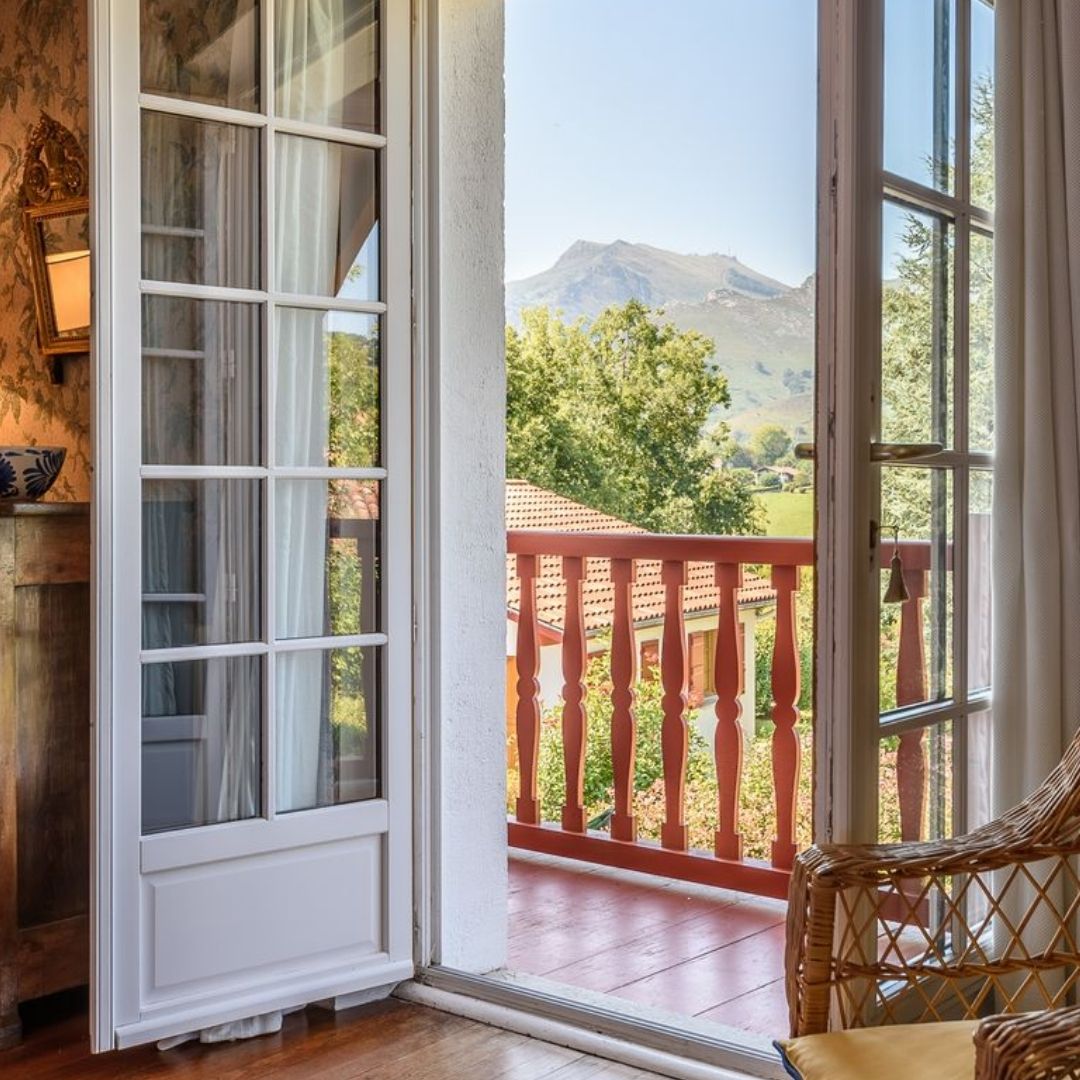
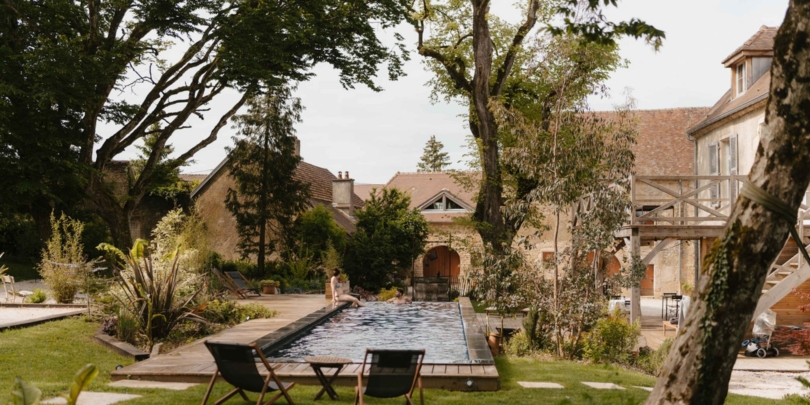
The arrival at Clos Mirabel is quite mesmerising. Trundling down the driveway, your eyes are drawn southward, where if the weather is playing ball and the clouds have parted, the high peaks of the French Pyrenees reach into the sky. It’s a sight that follows you around this rural bed and breakfast, from your bedroom, the poolside, and even from the gardens tended by the owner’s father. It is ever-present, and always arresting, and on my visit to Clos Mirabel with my dog, it was all too fleeting, as the clouds descended and the early dusk of French winter shrouded the landscape in darkness far sooner than I’d have liked.
The French Pyrenees act as a natural border between France and Spain, stretching 250 miles from the Atlantic to the Mediterranean. Almost 700 miles from the LeShuttle terminal in Calais, where we arrived into France by car, these jagged, dramatic peaks draw hikers in summer and skiers in winter. But out here at Clos Mirabel, in the foothills of the mightier mountains, there is plenty of charm to be discovered in an otherwise underrated area of France.
Go beyond the big peaks of the Pyrenees and you’ll discover a land of historic towns, flourishing Jurançon vineyards and softer outdoors adventures certainly worth driving all that way for.
Day one
Once you’ve made it to the south of France and checked into whatever accommodation you choose – there are several special places in the Pyrénées-Atlantiques – it’s time to explore this beautiful, undulating region.
Pau, pronounced “por”, is the closest town to Clos Mirabel and its history is entwined with French royalty. Birthplace of the King Henri IV, who reigned in the late 16th and early 17th centuries, and Sweden’s King Charles XIV, Pau has played home to some of Europe’s most influential people. Today, this royal town is a pretty place to be in any season, with its palm-fringed boulevard atop an escarpment overlooking the River Ousse below, where flowers sing in summer and a Christmas market resplendent with twinkling lights shimmers in the deepest winter months.
Delve into the town’s royal past at Château de Pau, where you can see the tortoise shell that once acted as a cradle for the boy who became King Henri IV and some fine Renaissance architecture alongside its glorious gardens. Set inside the town’s medieval quarter, the streets surrounding the castle are a fine place to do your best impression of a French flâneur – someone who saunters about town with little intention beyond observing the daily goings on around them.
Meander all the way to Les Halles de Pau for a bite to eat: this is the locals’ favourite meeting place, where market stalls peddle everything from potatoes to pâté, and a roster of producers run their own kitchens serving up oysters, croque monsieur and local wines with platters of cured meat and cheeses.
Elsewhere, you will find works from the 15th century and beyond in the Musée des Beaux-Arts de Pau, or you might simply want to take the funicular down to the riverside and enjoy a stroll along the Ousse.
Day two
Drive south over the hills and into the next valley from Pau and you’ll reach Oloron-Sainte-Marie, one of the oldest towns in the Béarn province set at the confluence of the Ossau and the Aspe rivers. (Note, to comply with local laws, you’ll need winter tyres, snow chains or snow socks if you do this excursion in winter). Here, it’s all about history and imposing architecture: the UNESCO-inscribed Sainte-Marie Cathedral is a masterpiece of Romanesque and Gothic styles, while the Grède Tower is an impressive medieval structure, which you can climb for fine views out across the town.
Alternatively, a little closer to Pau and set on the gorgeous slopes around Clos Mirabel, the Jurançon calls for long days spent sipping local wines. With a temperate climate that rarely sees frost, even in the depths of winter, and plenty of sunshine come summer, the conditions here are perfect for growing grapes. The two main wines you’ll find are blanc sec, a greenish wine with notes of honey and exotic fruits, and blanc moelleux, gold in colour with hints of passionfruit, citrus, cinnamon and cloves.
Taste these local flavours at Domaine du Cinquau, a 17th-century mansion overlooking the vines, or charming Domaine de Souch where guided tours delve into the winemaking process. As your trip draws to a close, the Cave de Jurançon, a cooperative established in 1949 that’s now home to over 300 regional producers, is the place to stock up on your favourite wines before the drive home. The only problem you’ll discover is choosing which ones to take with you.
Getting there
There’s no two ways about it: the south of France is a long way from the LeShuttle terminal in Calais. The drive is around ten hours and can be done in a day with some rest stops. But better yet, take the opportunity to stop off elsewhere in France en route. We broke our journey in Angers and Poitiers in the Loire Valley. Our first stop was spa hotel Château de l’Epinay, where exceptional meals await in their restaurant and wildlife such as beavers can be seen enjoying the grounds. For a second night, we broke the journey at Domaine De L’ecorcerie, where woodland walks in the morning were a wonderful way to begin the day.
Explore all our special places to stay in France >
Want more travel inspiration? Get our email updates direct to your inbox.
Sign up >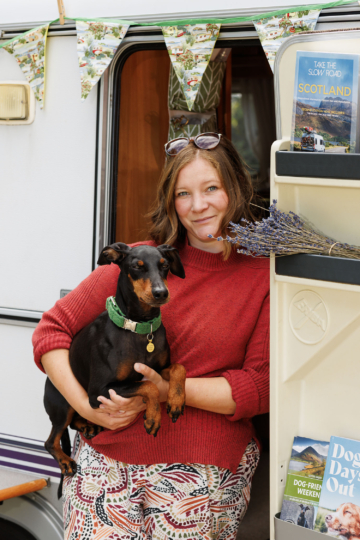
Lottie Gross
Lottie Gross is a travel writer and dog-friendly travel expert with well over a decade of experience in the industry. She has written for all the major UK national newspapers and authors dog-friendly travel books such as Dog Days Out, Dog-Friendly Weekends and Dog-Friendly Europe.
You might also like
La France Profonde: Five regions for a deeper taste of rural life

Nicky deBouille
Sawday's Expert
5 min read
5 weekends amongst the vines: France’s most beautiful wine regions

Carolyn Boyd
Guest Expert
5 min read
The Great B&B Challenge – Nicola Crosse on the French B&Bs that set the standard

Nicola Crosse
Sawday's Expert
5 min read