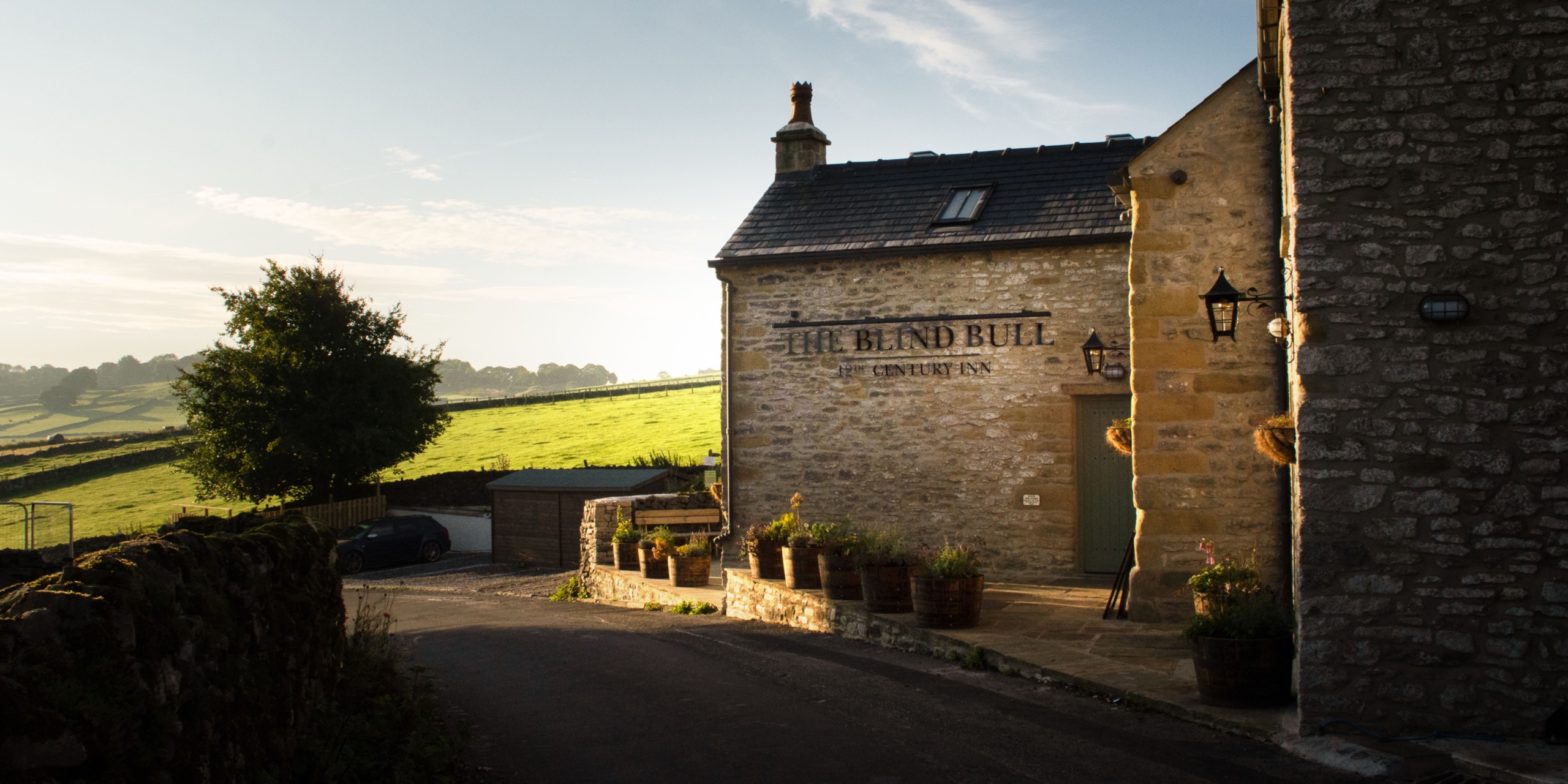
Head chef Richard Rogerson from The Blind Bull, one of the country’s finest pubs, gives you a step-by-step guide to creating the perfect Sunday roast.
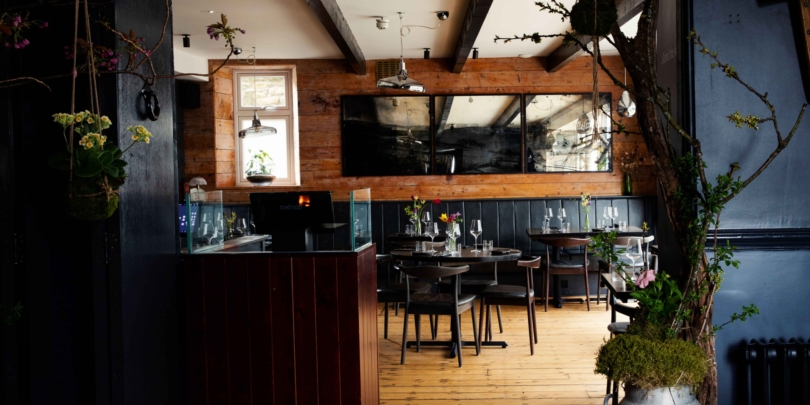
The Blind Bull has food and the hearth at its heart, with a roaring fire downstairs mirroring the one in their open kitchen upstairs. They like to take the huge bounty that Derbyshire provides, cook it properly and let it shine, with minimal fuss. So get ready to shake your potatoes, be generous with your cheese and throw away your scales as Richard walks you through the craft of cooking a classic. If it feels too much like hard work, you know where to go to have someone else do it all for you.
Richard Rogerson’s perfect roast
For me, it’s all about sourcing the best ingredients, the right cut of meat, crispiest potatoes, fluffy yorkies, and a rich meaty gravy. Here’s how we do it at The Blind Bull.
The beef
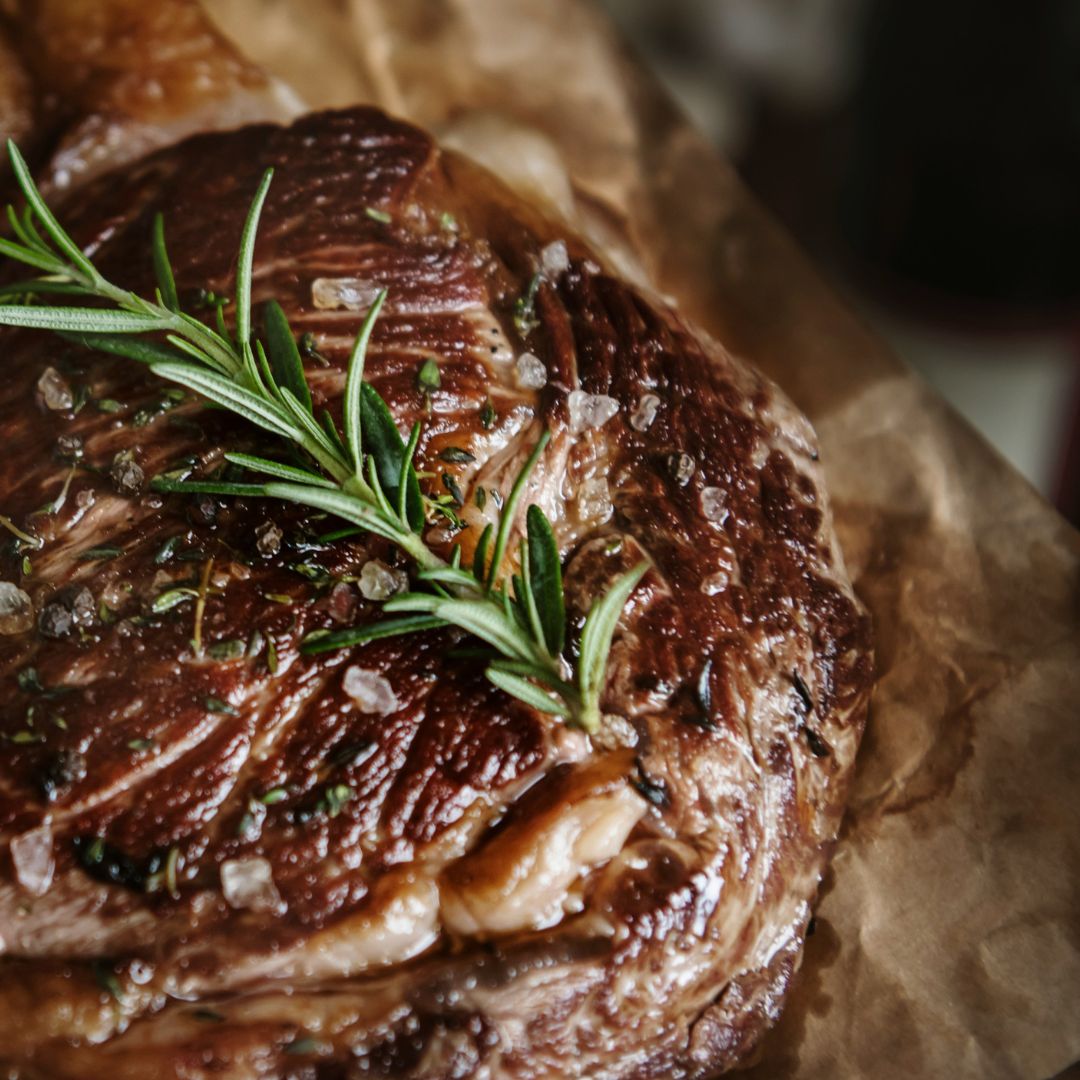
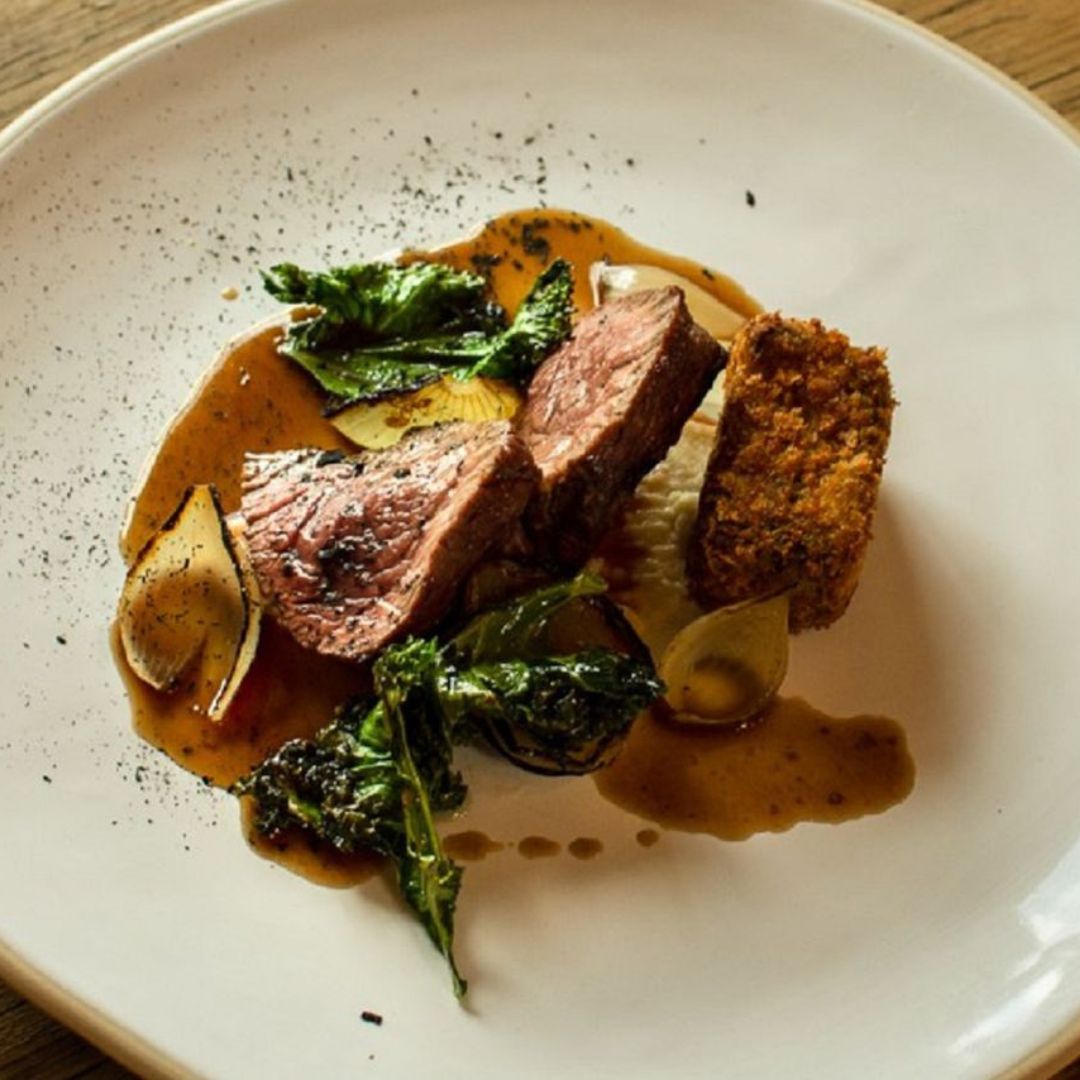
I always select the Rump cap, also known as the picanha. It’s a slightly cheaper cut of beef but cooked properly it makes a fantastic roasting joint. Rump cap has a thick layer of fat across the top of the joint, very similar to a sirloin. Score the fat, then brine for a minimum of six hours. This process helps tenderise the meat and maximises the flavour profile of the beef.
When you’re ready to go, sear the beef in a hot pan, fat side down, before roasting. This helps create the crispiest fat, almost like the crackling on a roast pork. Then roast it to a perfect medium rare, always remembering to rest the meat for at least 30 mins after roasting.
The potatoes
The potatoes can make or break a roast dinner but they’re actually very simple to get right. Start by par boiling your potatoes in salted water. You want to make sure they’re cooked all the way through but still hold their shape. Strain them off and let them completely cool down; you should see the edges starting to crack.
Preheat your oven to 200 degrees. Get your roasting tray in with some oil, garlic, thyme and rosemary. Season your potatoes with a little more salt and toss them through the hot oil.
Roast for approximately 30 mins, then remove them from the oven and give the tray a really good shake. You want to be quite rough with the potatoes at this stage. It’s the broken edges that will end up creating the crispiest potatoes. Return to the oven and repeat this process every 10-15 minutes until you’ve got a completely golden crust around all of the edges of your potatoes. Pour away any excess oil and return to the oven for another 10 minutes to give them that final layer of crunch.
Yorkshire puddings
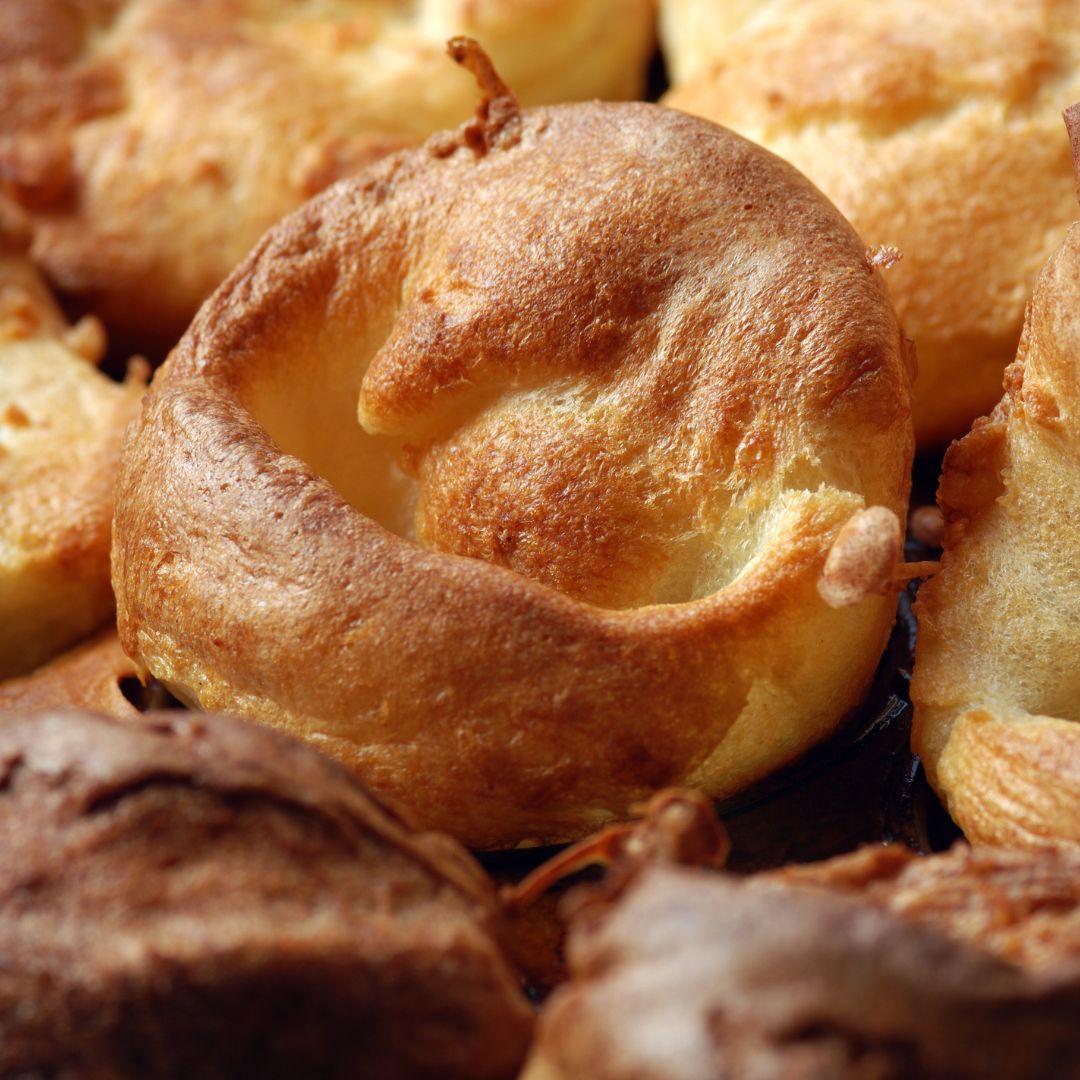
Traditionally these are only served with beef, but I think it’s criminal to have any roast dinner without a Yorkshire pudding. The trick here is never to use a set of scales when measuring the batter. You need 3 identical containers. Bowls or even mugs will do. Fill them Equally with flour, milk & egg. Whisk together your milk and flour, slowly adding your eggs. This helps work out any lumps in the batter. It’s important to rest the batter in the fridge for at least a couple of hours, so make this batter early, even the night before if you have time.
Place your Yorkshire pudding trays on top of another tray and fill the top one halfway with oil. The additional tray will catch any excess oil that might come out whilst baking. Put both in a 200-degrees preheated oven for approximately 20 mins, then pour your batter into the hot oil. You want It to be around a 50/50mix. Bake for 25-30 minutes and try not to open the oven door whilst cooking the puddings.
Cauliflower cheese
For me, no roast dinner is complete without cauliflower cheese. I often see people trying to reinvent it, but I stick to tradition – just a straightforward bechemel sauce and some high quality cheese is all that’s needed here. I like to use a black bomber style cheese, but you can use whatever cheese you like. Just be generous with it. It’s called cauliflower cheese for a reason.
Firstly, start by pre-boiling your cauliflower to about 80% done, as it will finish cooking later in the oven. Let your cauliflower cool down over a colander, waiting for the steam to stop, so you know you have completely dry florets that won’t dilute the flavour of your cheese sauce.
To make the cheese sauce, bring a pan of milk up to a simmer and remove from the heat. In a separate saucepan, melt some butter on a low heat and add a small amount of flour to create a roux. You want to lightly cook this for a couple of minutes to take away that floury texture. Slowly add your milk, beating into the roux until it’s fully incorporated. Increase the temperature slightly whilst continuously beating until it starts to thicken, then turn the temperature back down. Add your grated cheese a little at a time. Once it’s all combined, add a pinch of salt and mix through your cauliflower. Put it in a roasting dish with a little more grated cheese on top and place in the oven. Cook at 200 degrees for approximately 20mins, then finish toasting the cheese under the grill.
The gravy
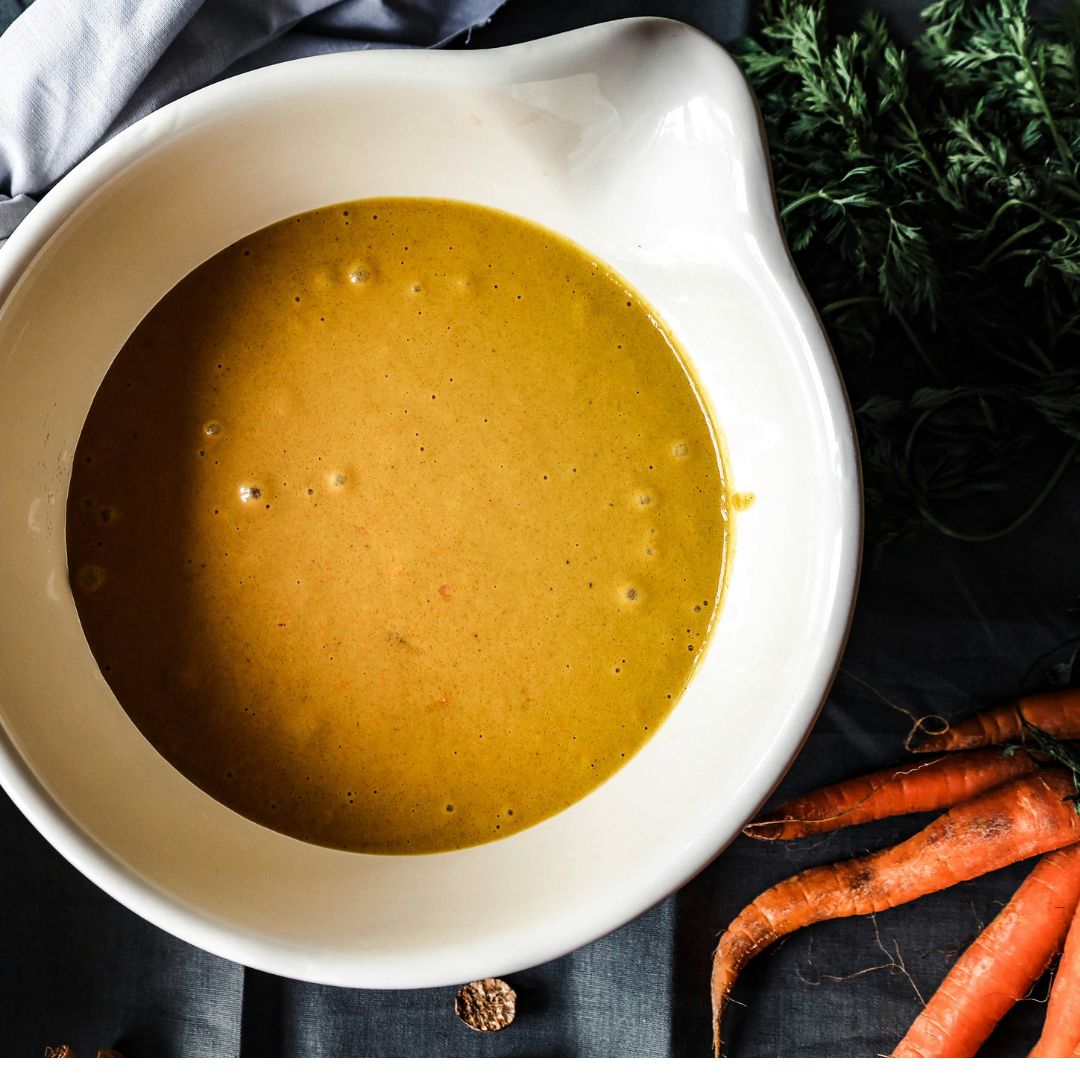
For the gravy at The Blind Bull, we keep any remaining bones from the butchery we do for our à la carte menu throughout the week, then roast them to make a rich stock which forms the base. Fortunately, for anyone not generally doing much butchery most days, you can now buy some great quality stocks online or from the supermarkets. Look out for the brand TRUEfoods, which are by far the best quality fresh stocks you can buy.
In a large saucepan, roast off some carrots, onions, garlic, leeks and celery on a high heat. Keep these moving in the pan so they don’t burn. Add a few tablespoons of tomato puree, and reduce to a medium heat, stirring occasionally. After 10-15 mins, the puree will start to caramelise. Go in with your red wine and reduce on a high heat.
Add your stock and a sprig of rosemary and slowly simmer to reduce the stock by approximately 30%.
To thicken, mix some melted butter with some flour to create a roux, just like for the cheese sauce, only this time place it straight into your stock. Continuously whisk the stock on a medium heat until it thickens. Strain off the vegetables and season. Whisk in any meat juices once the beef has been rested.
The veg
Finally, it’s time for the vegetables. Just a few roasted carrots or parsnips, some broccoli, kale or whichever green vegetables are in season at the time and you’re good to go. The key is sourcing good produce and not doing too much to get in its way.
Richard Rogerson is the head chef at pub with rooms The Blind Bull.
Explore all our pubs with rooms >
Want more travel inspiration? Get our email updates direct to your inbox >
Sign up >
Richard Rogerson
At the helm of The Blind Bull’s kitchen, Richard Rogerson brings a clear, unfussy approach to cooking that puts local produce first. With ingredients sourced largely within a 10-mile radius, and many picked fresh from the pub’s own garden, his menus are shaped by the seasons and grounded in classic British dishes, done properly.
You might also like
Good Food Guide’s selection of delicious pubs with rooms
Chloë Hamilton
5 min read
The ultimate guide to pubs with rooms

David Hancock
5 min read
Pubs at the edge of story: Stays shaped by myth, books and folklore

Beth Tingle
5 min read