Nicola Brady is a travel writer based in Dublin, who writes for the Irish Independent, The Times, Telegraph, Condé Nast Traveler and more. She moved to Ireland 18 years ago, living first on the tiny Clare Island before moving to the mainland. She spends her time outdoors, eating, or thinking about her next meal, so it’s no surprise to find that her ideas for a few days in Cork are packed with coastal adventure and delicious food.
Ask people what they love about Ireland, and it’s likely that everything they say will be found within County Cork. There are those wide, white sand beaches with sparkling clear water, charming villages with cosy pubs and deep green clifftops with paths that zig zag over the headlands. But it’s also home to a killer food scene, with world-renowned restaurants, producers and cookery schools to boot. Spend a week here, and in all likelihood you’ll still leave wanting more.
Day 1: East Cork
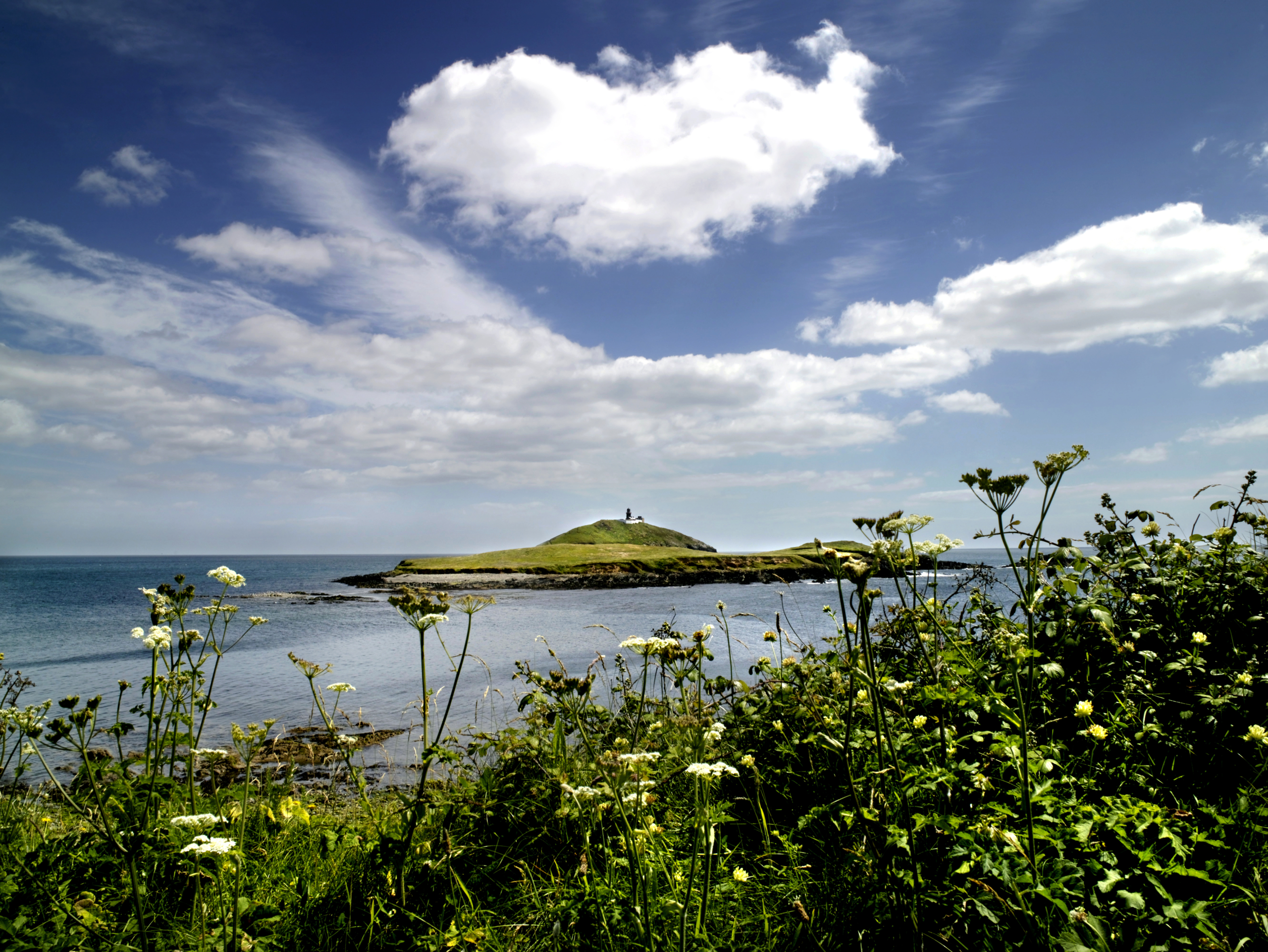
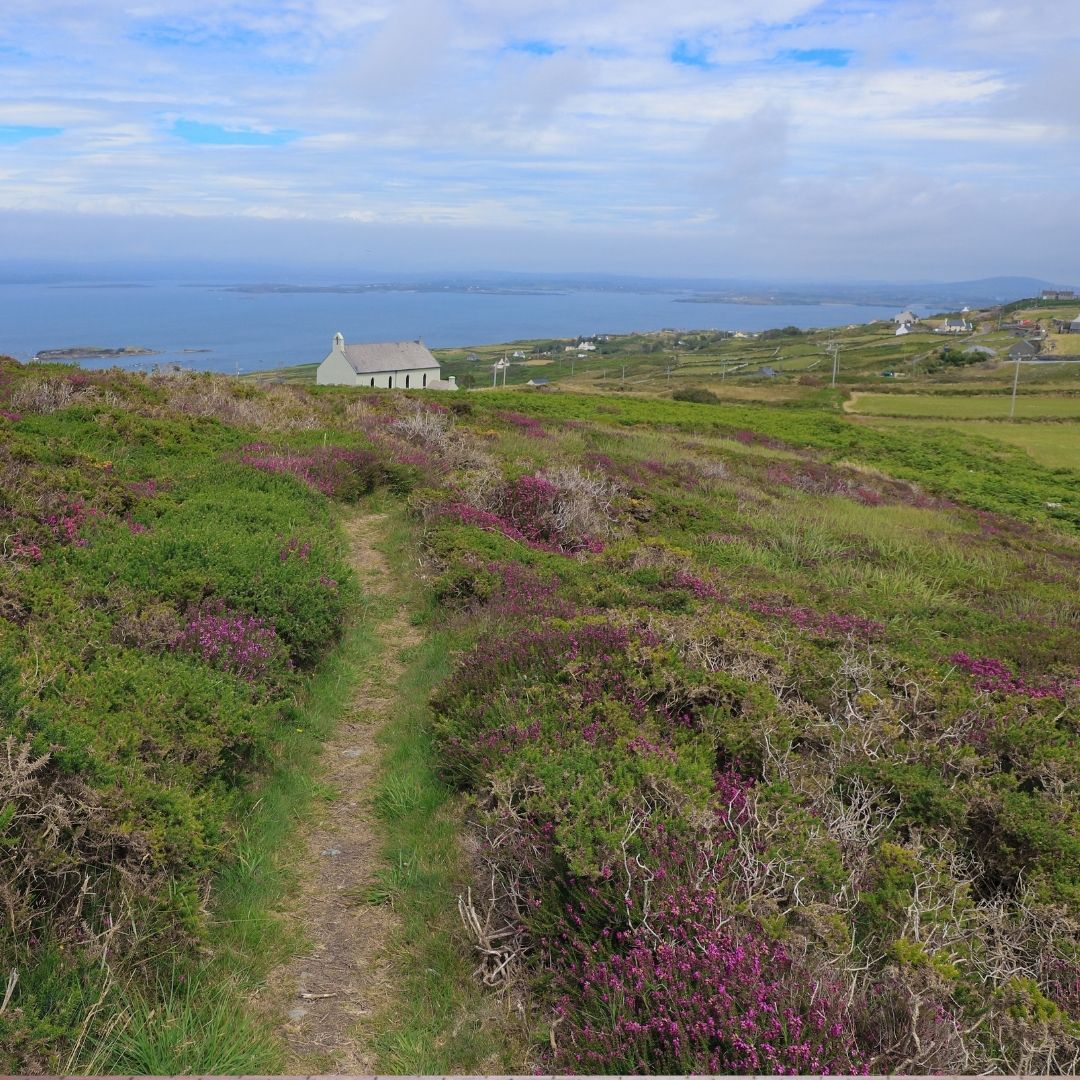
West Cork may steal much of the limelight, but the eastern part of the county has an inimitable charm (and it gets a fraction of the tourist footfall, too). Kick off your trip by exploring the best of East Cork, starting with a windswept stroll on the Ballycotton Cliff Walk, with the waves crashing on one side and the meadows to the other thick with wildflowers and heather. You’ll get a great view of the black lighthouse on Ballycotton Island and, if you’re lucky, spot dolphins playing in the sea.
Cork is renowned for its food scene, and one of its most respected names is a 15-minute drive away. Ballymaloe Cookey School is where countless chefs trained, and you can pick up some great bites in the shop and wander around their gardens – one of my favourite corners is Shell House, a folly plastered with thousands of shells.
Day 2: Kinsale and Old Head
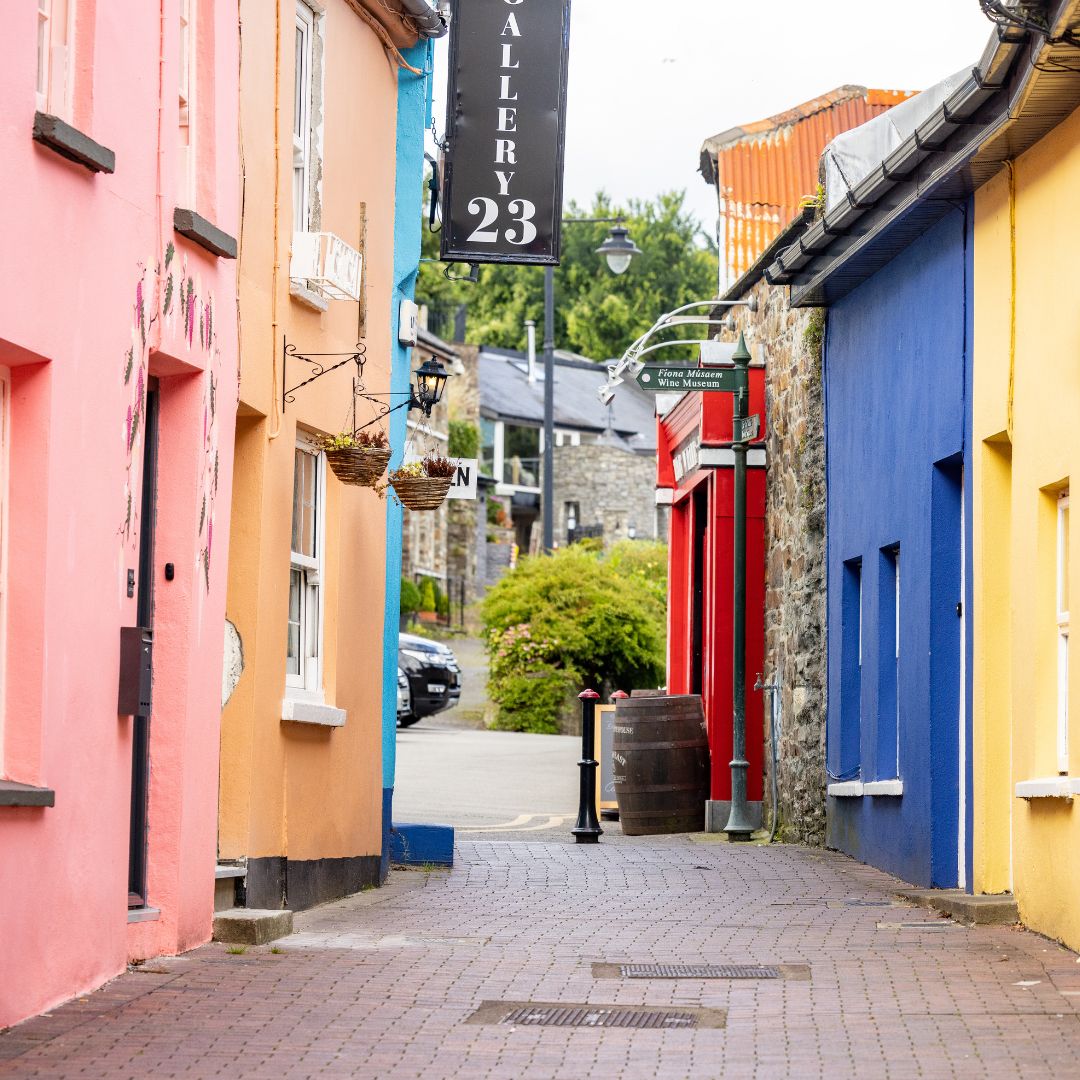
While much of Cork is known for its food, Kinsale perhaps takes the crown when it comes to the sheer density of excellent places to eat. This pretty fishing village, with its pastel-coloured townhouses crammed into the winding side streets, has an (understandably) excellent seafood scene, whether you get a table at Fishy Fishy or tuck into top notch fish and chips from one of the food trucks parked by the Archdeacon Duggan Bridge. There’s also the Michelin-starred Bastion, and The Bulman, where you can eat fresh lobster served dripping in salty Irish butter just steps from the sea – it’s one of the best meals I’ve ever eaten in Ireland.
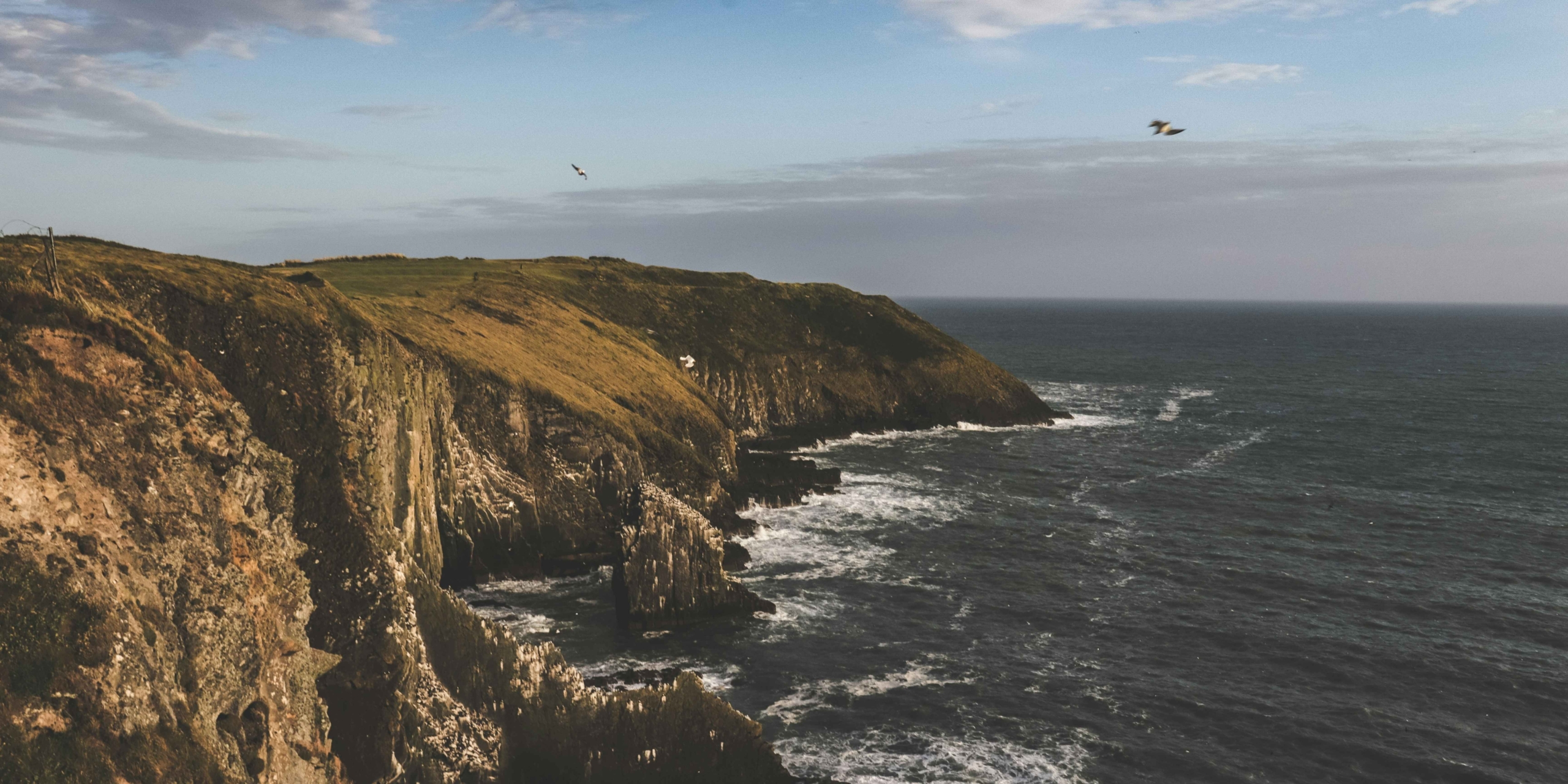
Kinsale marks the start of the Wild Atlantic Way, a 1,500-mile coastal drive that snakes up the western coast of Ireland. But you don’t need to drive the whole thing to see some of the best bits – arguably, one of the most scenic spots is just 20-minutes down the road at Old Head. Call into the teensy Lusitania Museum, set on the headland right by the spot where the ship was torpedoed, and walk along the clifftops for impeccable views of the Atlantic. Further up the coastline, you’ll drive past wide, pristine beaches with windsurfers on the waves and coffee trucks set up on the sands.
Day 3: Leap, Unionhall, Squince
While you’re technically in the more tourist-heavy West Cork once you get to the village of Leap (pronounced Lepp), it’s nowhere near as manic as some of the busier spots further north in Kerry. The main attraction is the pretty Connolly’s of Leap, a traditional pub that overlooks Glandore Harbour, a picturesque curve of water surrounded by dense, ancient woodland and thick hedgerows. You mightn’t think it, but Connolly’s is one of the best live music spots in the country, and they serve a mean pizza, too.
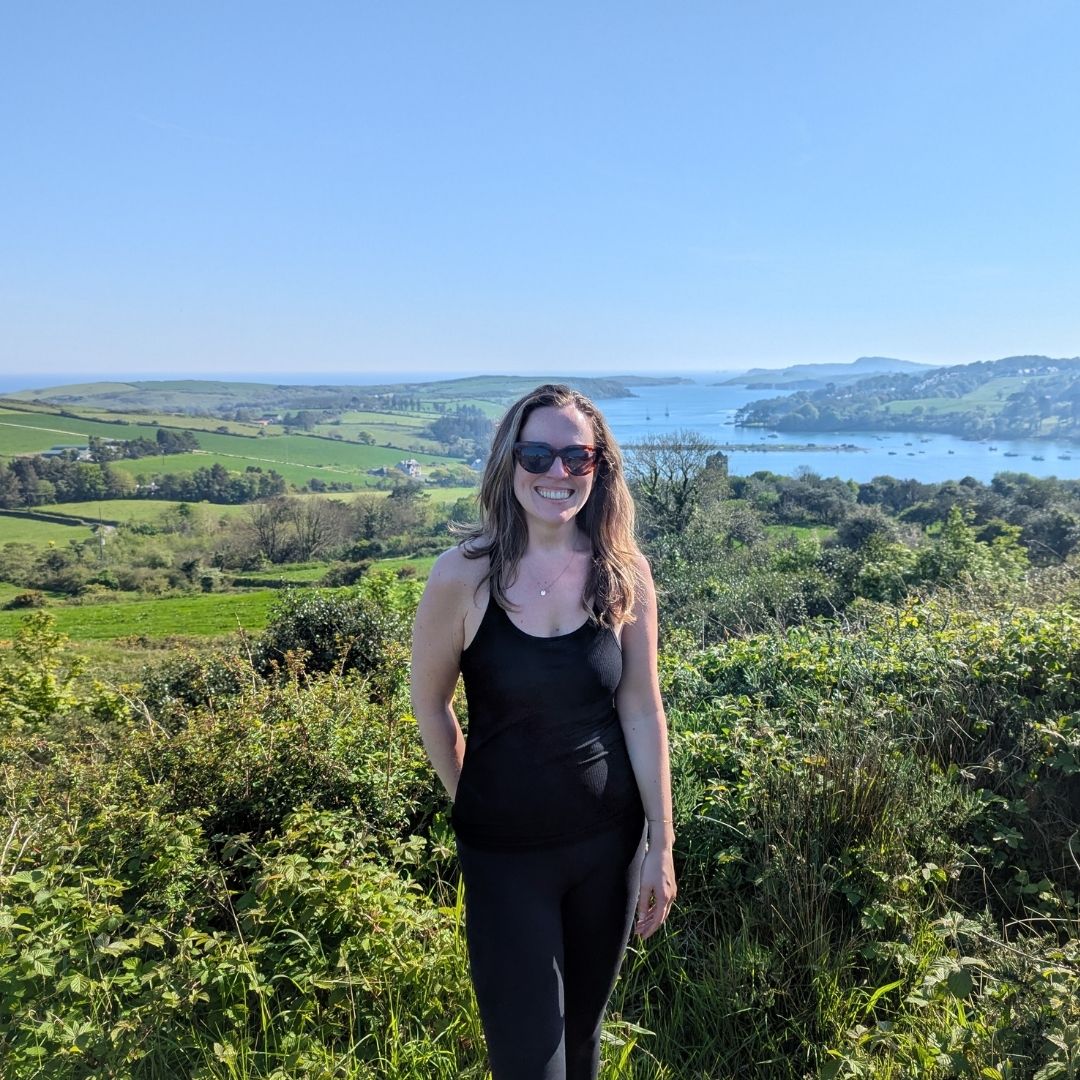
But before the music starts, you’ll want to explore some more of the local coastline. Unionhall is a charming village on the other side of the harbour, with waterside bars and an excellent art gallery, Cnoc Buí. If you’re feeling active, I love the guided e-bike trips with Gormú eBike Tours, which bring you to impeccable bays like Squince, which you’ll likely have all to yourself. Along the way, guide Conor Ó Buachalla fills you in on the local legends that feel more like historical gossip, throwing in a cúpla focail (few words) of Irish – after all, this whole region was partly a Gaeltacht, or Irish speaking region.
Day 4: Baltimore and Cape Clear
From one Breac-Gaeltacht to a fully Irish-speaking island, Cape Clear is the southernmost point of Ireland and a stunning, wild island to explore. The ferry over to it departs from Baltimore, with the crossing taking about 45 minutes, first weaving slowly through the harbour past tiny islands filled with sleeping seals. You’re quite likely to spot dolphins and minke whales on the crossing, depending on the season.
When you land on the island, you can head off on one of the walking trails, but be warned – the views are exceptional but the climbs are no joke. If you want to save your thighs, you can book a tour of the island on an e-bus. Stop in for a pint in Cotter’s, where a sign outside will help you order in Irish (appreciated, but definitely not required) or get some fresh crab salad in Sean Rua’s, right by the bay.
Once you’re back in Baltimore, you can stroll out to Baltimore Beacon, for gorgeous sea views, or stick around the harbour for a drink in Bushe’s Bar. Just a few steps from the water, the two-Michelin-star Dede is a magnet for Irish foodies, but be sure to book in advance for a table.
Day 5: Ballydehob and Sheep’s Head
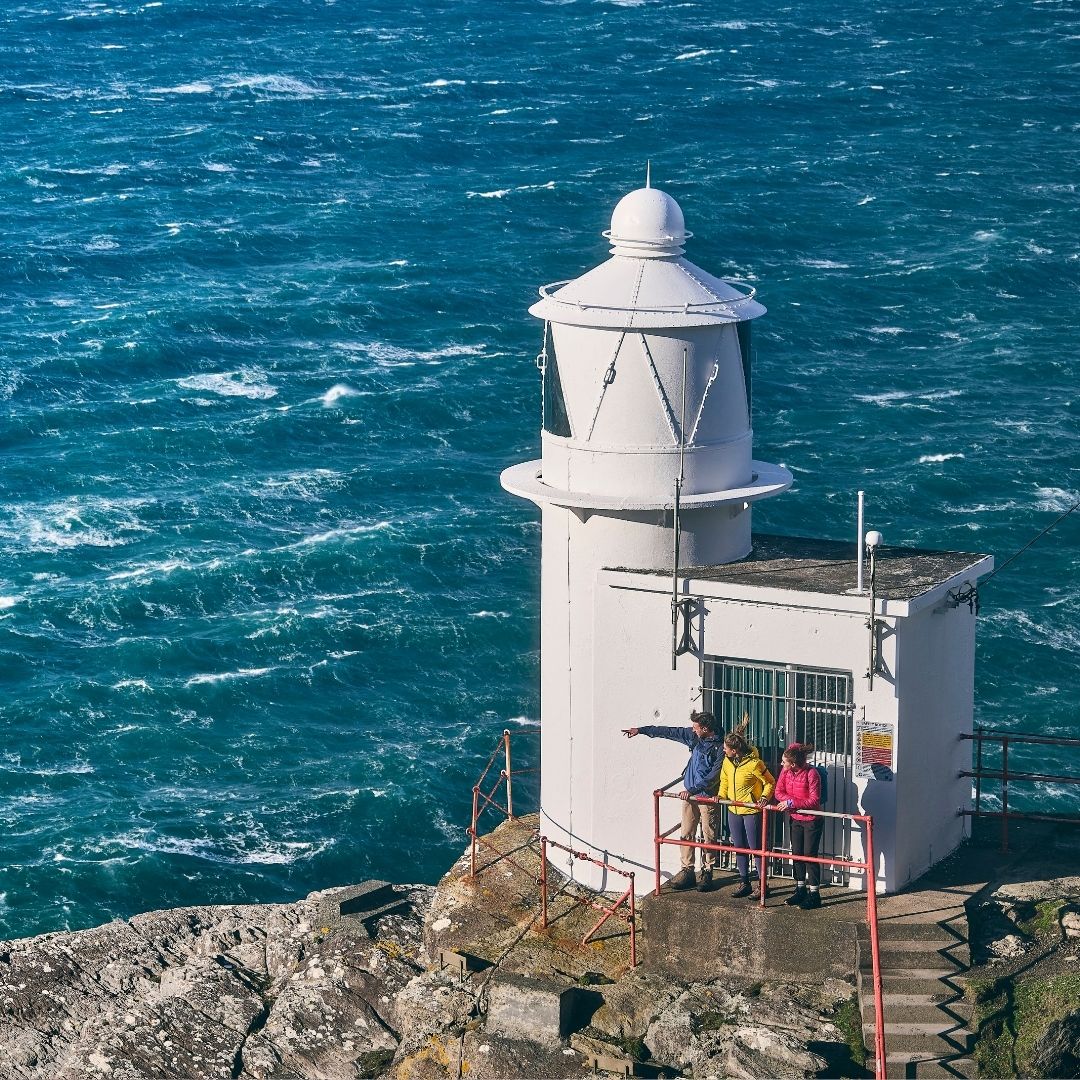
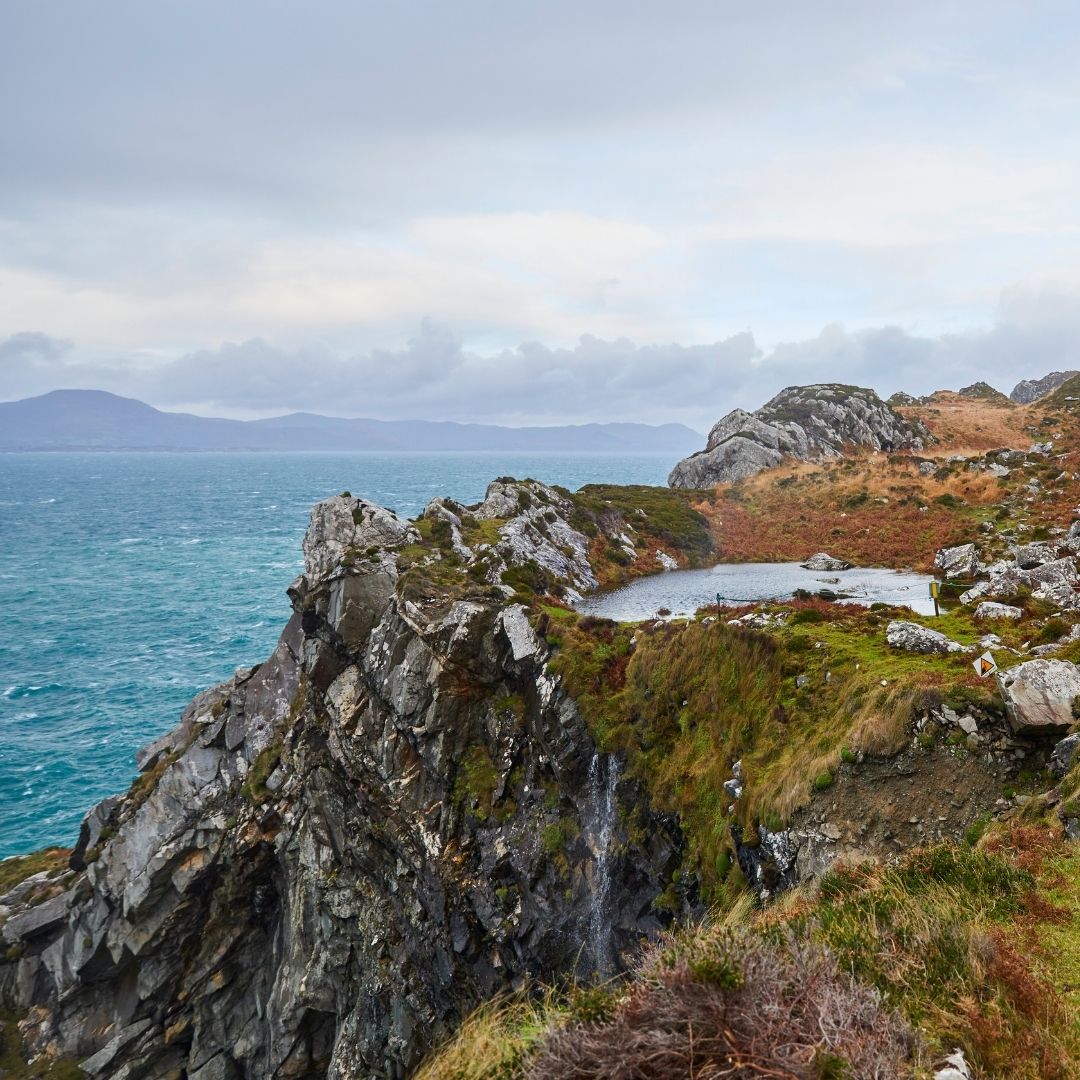
As the Atlantic hammers the west coast, the Cork and Kerry coastlines splinter into several peninsulas, each of which have their own distinct and personable charm. The Sheep’s Head Peninsula is one of the lesser visited, but has a wonderfully rugged, wild allure. While the busier peninsulas are more popular with drivers, this one is the domain of walkers, who hike the trails around the jagged clifftops with only straggly sheep for company. But you can also drive the narrow roads, following the coastline out to the tip before parking up and walking to the lighthouse, surrounded by dramatic, craggy rocks.
Back on the ‘mainland’, Ballydehob is an ideal base, and it’s also home to one of Ireland’s quirkiest pubs. Levis Corner House is part traditional boozer, part artsy hangout and part music venue, where the walls are plastered with memorabilia and the shelves are stacked with retro groceries. Best of all? The people watching (and eavesdropping) is second to none.
Places to stay in Cork
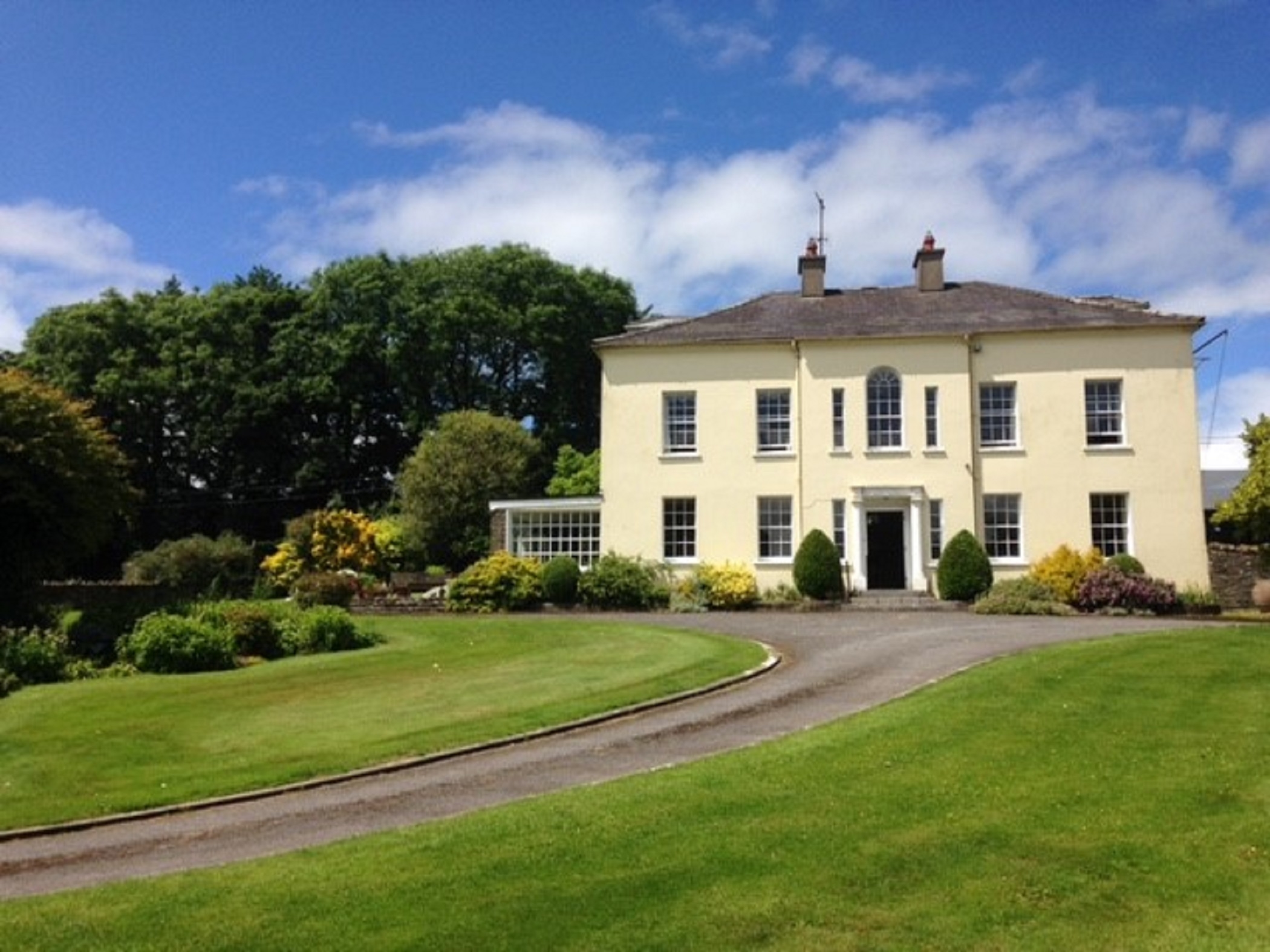
Willowhill House
Carrigaline, Co. Cork

The Artists' Cottage & Studio
Bantry, Co. Cork
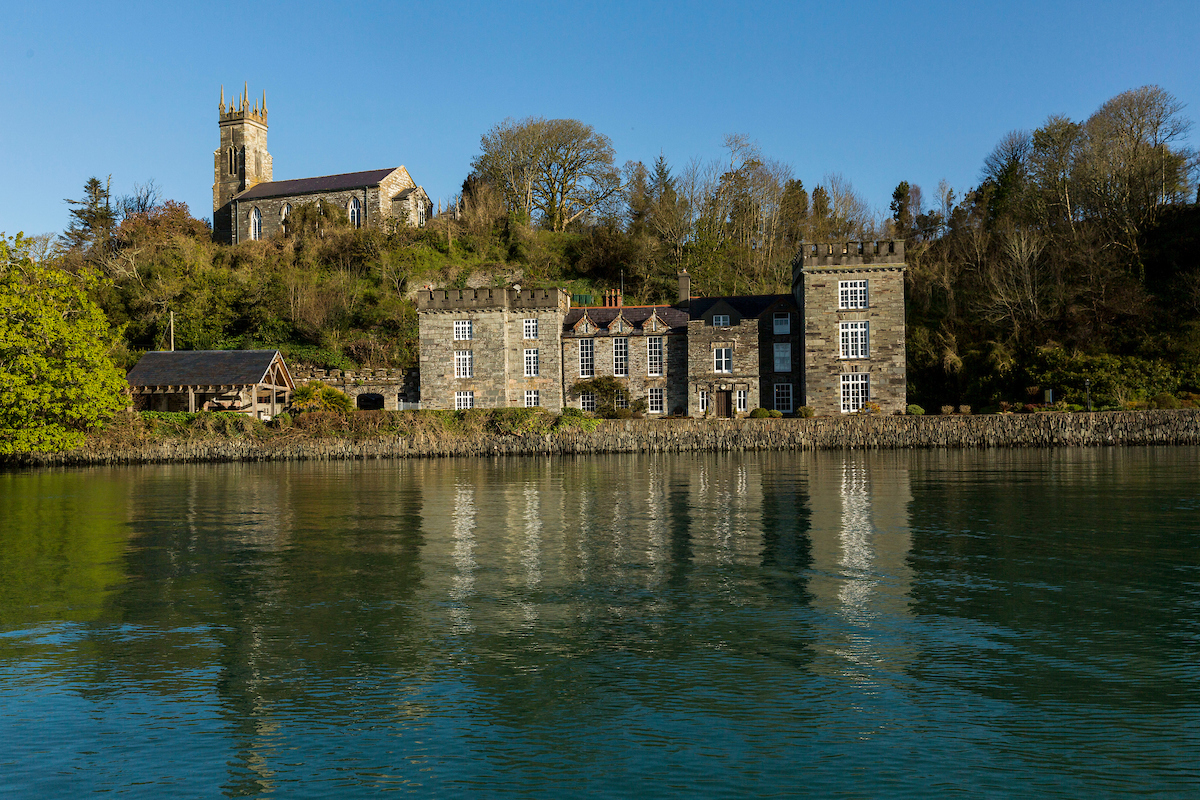
The Castle
Co. Cork
Browse all our places to stay on the island of Ireland >

Nicola Brady
Nicola Brady is a travel writer based in Dublin, who writes for the Irish Independent, The Times, Telegraph, Condé Nast Traveler and more. She moved to Ireland 18 years ago, living first on the tiny Clare Island before moving to the mainland. She spends her time outdoors, eating, or thinking about her next meal.