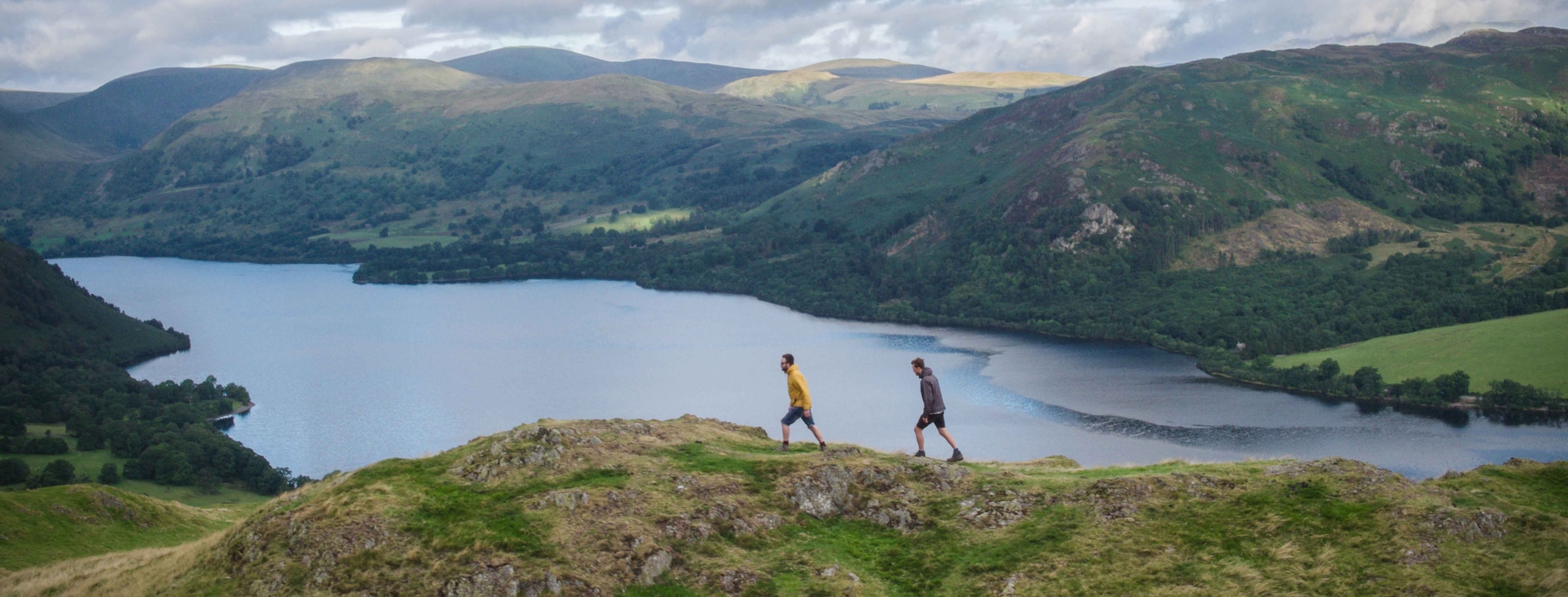
Walking and writing The Lake District with David Nicholls

Sawday's Expert
5 min read
In his latest novel, You Are Here, David Nicholls tells the story of Michael and Marnie, who meet while taking on the coast-to-coast walking trail from the Lake District to Northumberland. In writing it, he drew on his own experience of solo hiking all over the country. We caught up with him to talk rainy days, switching off, beloved Lake District locations and how to stop a love story from happening.
Which came first, the walk or the idea for the book?
The initial idea, which actually came from someone at my publishers, was to write a non-fiction book about these solo walks I was taking. To write about what it’s like to spend five or six days alone. It was something between a travel guide and a memoir, I suppose. I baulk at that sort of personal writing, so I thought, well, maybe it needs to be about a family on a walking holiday that goes wrong, but I’d sort of done that with [earlier novel] Us. That’s a kind of road trip where things go wrong. Then I thought, well, maybe a long walk is a bit like a novel. You have chapters and you have good days and bad days and eventful days and days that are more contemplative or conversational. Maybe you could structure a novel around a walk and make each day a different stage in a relationship. So, day one is indifference, day two is hostility, and day three is amusement, and day four is openness, and day five is deep friendship, and day six is attraction. You could plot these emotional points, beats along a geographical map. That was the premise, and obviously that requires a certain amount of distance, you know? You’ve got to be out there for a little while for a relationship to turn from indifference to possible love.
So, why the coast-to-coast from the Lake District to Northumberland?
I love the Lakes. I have been doing a lot of national trails. I’ve been ticking them off, in a very middle-aged way – the Cleveland Way, the South Downs Way, the Northumberland Coast. Anything that took three or four days and felt substantial. For this novel it needed to be something quite epic, you know, it needed to have a beginning, a middle, and an end. There’s a kind of scale to the coast-to-coast that’s really useful. It sounds weird, but the coast-to-coast has kind of three acts, it has the Lakes, then the Peaks and the Dales, then the moors at the end. It has a kind of structure to it with these very definite beginning and end points.
Which places in the Lakes struck you particularly?
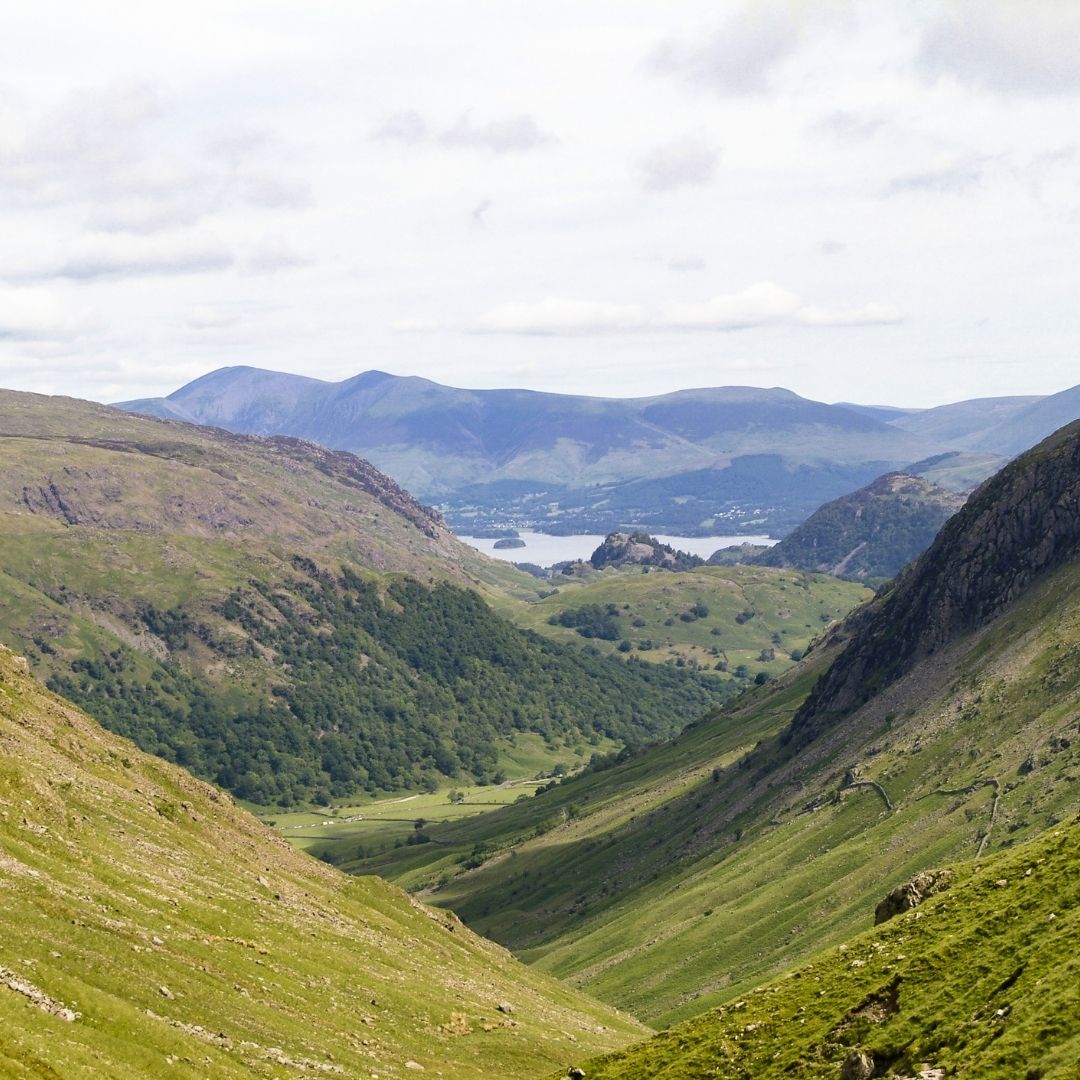
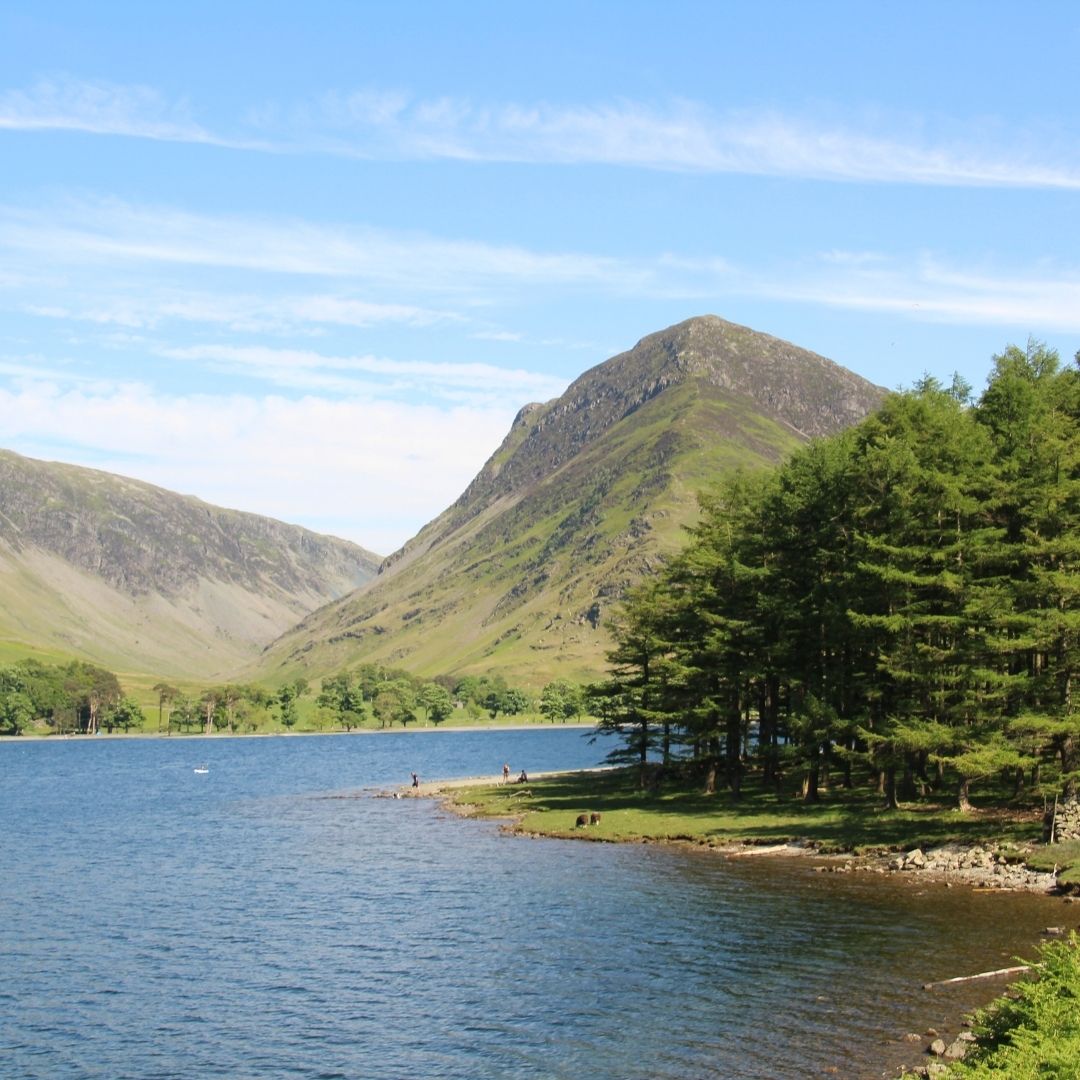
I love the area around Borrowdale. I think Borrowdale is just exquisite and the most beautiful valley and it has wonderful dense… I think it’s fair to call it rainforest. Also, one of the really startling moments in the coast-to-coast is Angle Tarn, which is this extraordinary, rather isolated, strangely shaped body of water, which is just a very magical place, a very exquisite, timeless place. I particularly like Ullswater too. I tend to end up spending a lot of time there but I like the bleaker parts of the landscape as well, like Skiddaw, which is quite a kind of tough, bulky, exposed peak and has a lovely grandeur to it. It’s really atmospheric and feels quite wild still.

Did you do the whole walk for research?
I didn’t start writing the book until I’d completed the walk, which I did by myself, and that was a great inspiration. Things happen on a walk and they find their way into the book in fictionalised form, so the landscape was a big part of it and choosing that very particular walk, which has such variety and is so substantial and has a kind of symbolism to it, seems a much better choice than, you know, the South Downs way or the Pellis Way, or those other walks, which are lovely, but don’t have the same kind of mythic quality.
I spend a lot of time kind of sketching before I start writing. There’s at least a year of just jotting down ideas and bits of dialogue and character sketches before I start. That TV myth of the author who starts, “Chapter 1”, well some people can do it, I can’t do it. There’s a lot of doodling, both literal and metaphorical, before I start writing but being in the landscape and asking myself what happens at the shores of this lake, what happens in this rain was really fun. It was like improvising on location. It was very cinematic.
So does the landcape influence the flow of the book?
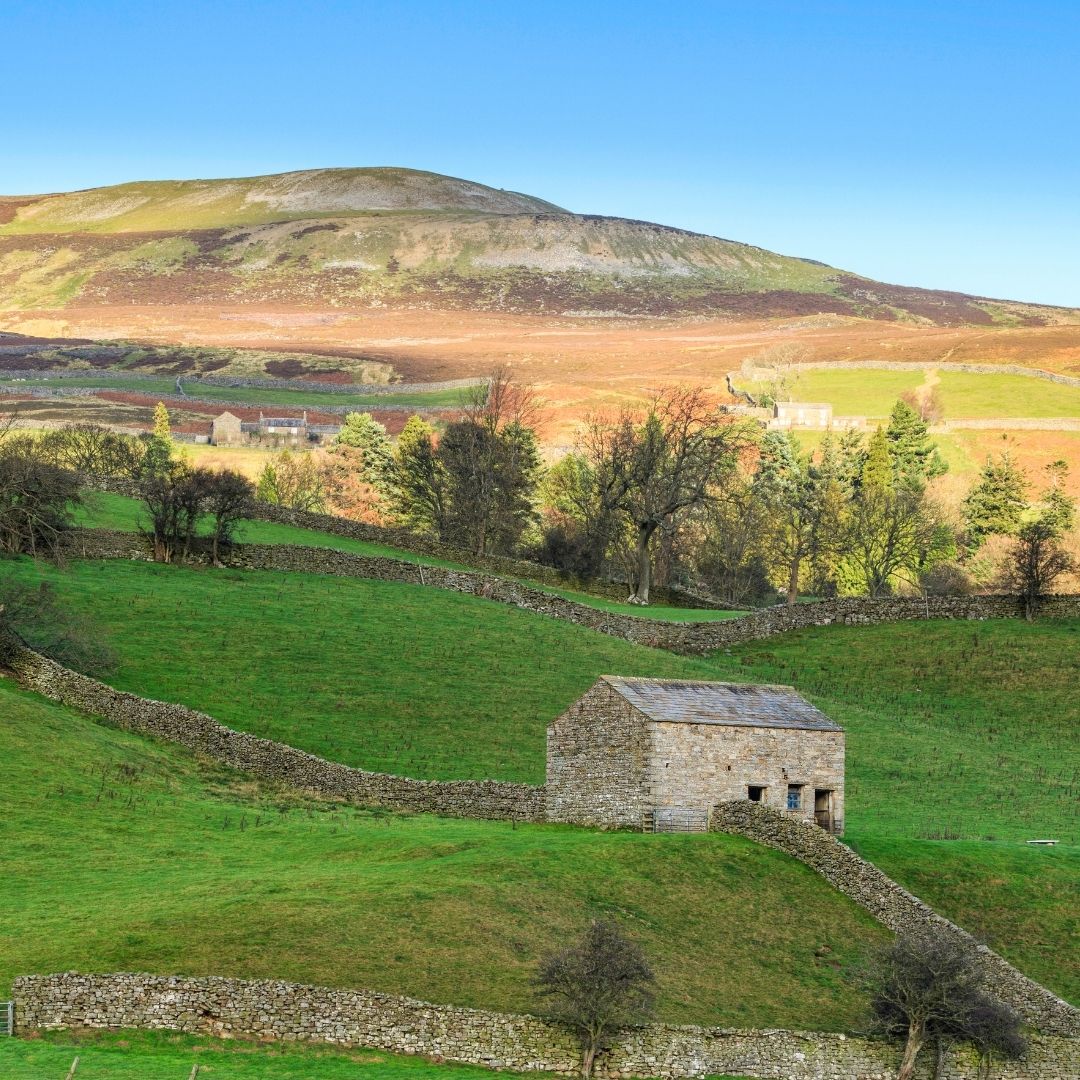
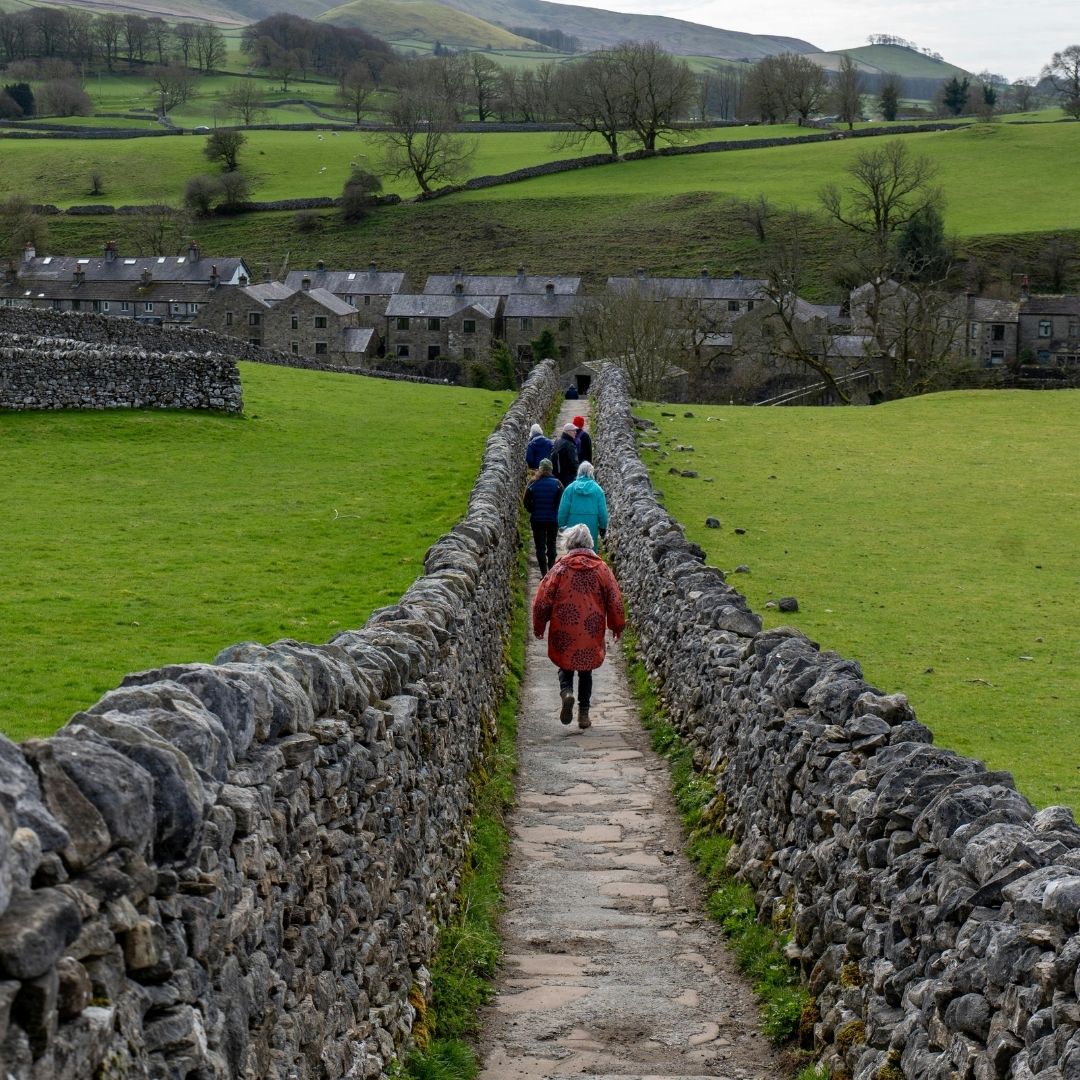
When they set off, there’s a bigger group and there’s lots happening and it’s a very dramatic landscape, and you go from the sea to the lakes, the mountains. Once Michael and Marnie have got to know each other, they’re in Westmoreland and the Dales, which is a beautiful, beautiful landscape, but there’s less exertion, it has a kind of gentleness to it. That’s the point in the story where they’re really getting to know each other and starting to open up. Then, of course, things explode just as the moors begin in Richmond, and that’s a much darker, more melancholy part of the novel. So there’s a kind of inbuilt structure.
Do they follow the exact route you did?
They do! I could give you coordinates where everything happens in the book. I could point to a corner of a field and say, this is where that conversation happens, this is where they kiss, this is where they argue. I could point it out on a map. I think for a writer, there’s something for both very pleasurable and reassuring in knowing exactly where things happened. I’ve always done that in all my books, with possible exception of certain chapters in One Day, which take place in India. I hadn’t been to India at that stage, but if you know what a certain street corner feels like at a particular time of day, it fuels the writing, as long as you’re not too boring, you know? As long as it doesn’t become like showing everyone your holiday photos, as long as it’s entertaining and things are happening.
Is there anything that happened on your walk that made it into the book?
On the second day, Marnie and Michael had their worst day, which is when it rains and rains and rains, and there’s a particularly difficult climb, the hardest part of the walk, where you have to clamber over into a rather stunning, rather bleak pass. That was a horrible, horrible day. I was absolutely soaked to the skin within 10 minutes and it was a long day. By the time I got to the hotel, I was completely miserable and shivering and furious with myself and the weather and the lakes… furious in an entirely rational way, of course. So their experience of the bad weather is very much my experience of the bad weather. Then there’s a section of the walk after Richmond, which is famously dull and melancholy, and I definitely felt that. I definitely wanted it to be over. It’s about 25 miles of farmland, it’s quite featureless and when I did it, it was particularly grey and drizzly, and that definitely fed into the feelings in the book. It’s a kind of method writing, you know, actors always go, “you’ve got to put yourself through it” and even though I’m nothing like Michael or Marnie, you acquire a kind of sense memory of what things feel like.
Sounds like it all fell into place quite easily…
Well, the demand of a love story is that you have to stop it happening, you know? You have to prevent these two people, who are pleasant and presentable and attractive to each other, from just getting on with it. How do you stop that? So you have to work out who they are, and you have to build them a little bit like an actor builds a character – work out what they do, why they’re there, why they might not want to be there, why they might not initially like this other person. And the characters gradually came to me as I did the walk.
Does your own experience of walking mirror Michael and Marnie’s?
There is a sort of therapeutic notion of walking, isn’t there? An idea that it’s a kind of meditation, or there’s something ecstatic about it. The great romantic tradition of finding inspiration in a landscape. And I love landscapes, and I do go on walks when I’m stuck with my writing but I think you also have to acknowledge the bits that are grey and dull and rather downbeat and sad. That’s part of it as well. I’m a bit sceptical about the idea that a walk makes everything better. You’ve still got to go home, and I guess that’s what they discover in the book, really. Michael’s plan at the beginning of the book is to kind of “walk off” his sadness and his anxiety and his depression by himself, and that something miraculous will happen just through the experience of being alone in nature. And that doesn’t happen. Something else happens. In fact, the opposite happens. He is forced to spend time with human beings, and that’s the real breakthrough. That’s not to denigrate the experience of walking solo in nature, it’s wonderful, but it’s not a magic cure for things. You go back to the same dilemmas and the same problems. You might be a little browner and fitter, but you still have to face up to the business of being a social creature.
So what do you get from walking personally?
I do the thing that Michael does, which is I try to put my phone somewhere where I can’t see it and try and spend even just three hours away from an online life. It’s a good way of unlocking scenes or chapters or story ideas or bits of dialogue, you know, the lack of distraction. If you spend all day looking at the screen, you’re liable to be a little dazed, hypnotised, so it helps to be in an environment that’s stimulating and non-digital.
And it’s all joyous inspiration?
Oh no. I do get very lonely, you know? It’s kind of… it is slightly masochistic. I do get lonely and tired, and I’m a terrible insomniac. I’m a disastrous insomniac. Last night, in particular, was horrific. So, for me, another great pleasure is that feeling of being exhausted. I do like the blisters and the tiredness. So the longer the better, really, when it comes to walking. That’s another reason why I like to go by myself, because I am under no obligation to feed or rest. I can just do what I want to do, which is walk for 10 or 12 hours, ideally. Often, when we have little twinges of loneliness or isolation, we’ve all been trained, I think, to reach for social media. it’s quite nice to log out of that for a few days, and grapple with things by yourself.
You Are Here by David Nicholls is out now in paperback.
Explore all our places to stay in the Lake District >
Be the first to discover our newest places, and receive travel tips from our team of experts.
Sign up >
Christopher Wilson-Elmes
Sawday's Expert
Chris is our in-house copywriter, with a flair for turning rough notes and travel tales into enticing articles. Raised in a tiny Wiltshire village, he was desperate to travel and has backpacked all over the world. Closer to home, he finds himself happiest in the most remote and rural places he can find, preferably with a host of animals to speak to, some waves to be smashed about in and the promise of a good pint somewhere in his future.
You might also like
Places in the Lake District you can reach by train

Beth Tingle
5 min read
3 days in the Lake District: Fells, fire and fabulous food
Christopher Wilson-Elmes
Sawday's Expert
5 min read

Six of the prettiest towns and villages in the Lake District
Beth Tingle
5 min read