Best time of year to visit the Scottish Highlands

Guest Expert
5 min read
The best time to visit the Scottish Highlands depends on what you’re hoping to find, but each season brings its own magic. Come in spring for returning wildlife, in summer for long days, sandy beaches and mountain walks, or in autumn for russet forests. Winter brings snow-dusted peaks, fireside evenings and the chance to see the Highlands at their wildest. We’ve put together a wee guide on what to expect throughout the year, from midge season to wildlife, and the best things to do during each season.
First published in March 2023. Last updated in October 2026.
A quick seasonal guide to the Highlands
- Spring: Wildlife spotting, fresh landscapes and quieter walks
- Summer: Beaches, festivals and island hopping
- Autumn: Woodland colours and stargazing
- Winter: Dramatic scenery, skiing and cosy escapes
Spring in the Scottish Highlands
(March – May)
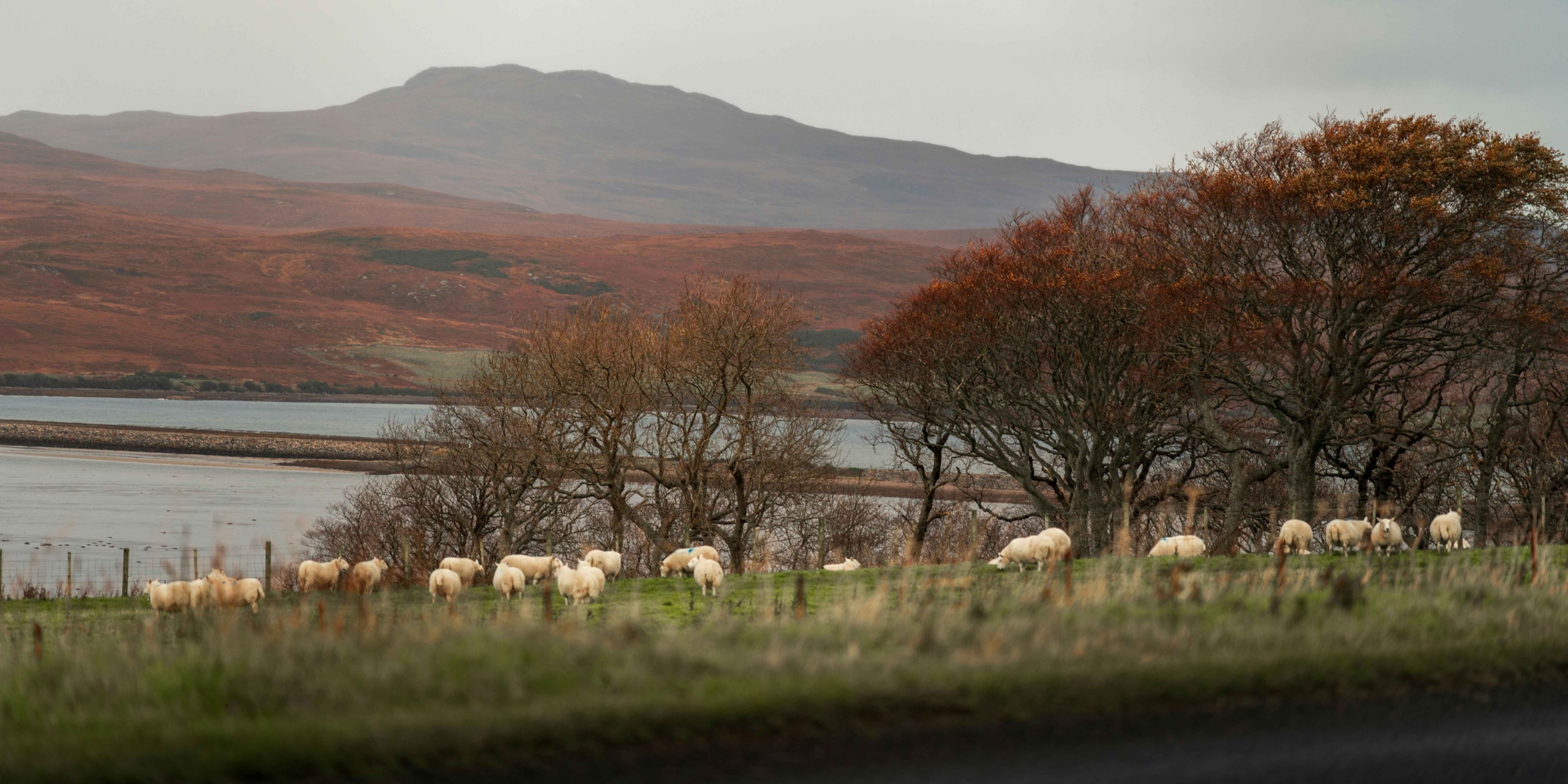
Spring, though still chilly, bursts forth in the Highlands in a merry riot of wildflowers, swathes of dancing daffodils and boundless carpets of purple heather, though there may still be snow up in the highest reaches.
It’s a busy time for wildlife too: lambs gambol in fields, the iconic osprey returns from Africa, puffins and other seabirds gather on coastal cliffs. And the good news is that the crowds (nor the midges) are yet to arrive, making spring a particularly dreamy time to visit.
May happens to be World Whisky Month, and what better time to sample a taste of the water of life on a tour of one of many Highland distilleries. We love Dalwhinnie Distillery in the Cairngorms National Park. Perched up a mountain, it’s the highest distillery in Scotland. Spring is also a good time for hill and mountain walking, loch cruises and whale spotting off the coast.
Best things to do in spring: Spot returning ospreys, explore quieter walking trails, watch for spring wildlife like birds and whales, and visit a Highland whisky distillery.
What to watch out for: Conditions can still be chilly and unpredictable, particularly in the mountains, but midges are generally less of a concern than in summer.
Best for: Wildlife lovers, photographers and walkers who prefer fresh spring landscapes to the height-of-summer crowds.


Summer in the Scottish Highlands
(June – August)
The school holidays signal the beginning of Scotland’s busiest tourism period and you can expect camper vans to be out in force, wending their way slowly up and down and around hairpin bends. The days are long and light, perfect for hikes, rambles and conquering that Munro.
If you strike lucky with the weather, the beaches are some of the best to be found. We love Sandwood Bay in Kinlochbervie, its broad tract of pink sand makes it one of the most beautiful and unspoilt beaches in the UK, while on the stunning Ardnamurchan Peninsula, you’ll find Sanna Bay with its huge sand dunes a summer riot of colour.
Edinburgh isn’t the only place with a summer festival; if you’re up near Inverness, head to the much-loved Belladrum Tartan Heart Festival on the gorgeous Belladrum Estate in Beauly. This weekend music festival has a family-friendly vibe, an eclectic line-up, and a theme to help with your costume planning. This year it’s cartoons! Out on the NC500? Stop off at The Seafood Shack in Ullapool. There is one thing to watch out for in the summer, pesky midges, check out our mini guide below.
Best things to do in summer: Bag a Munro, swim at a sandy beach, explore the islands, tuck into fresh seafood or soak up the atmosphere at a local music festival.
What to watch out for: July and August are busy, particularly around popular destinations and driving routes. Midges can also be troublesome in warm, still weather.
Best for: Beach lovers, adventurous walkers, festival goers and anyone keen to make the most of Scotland’s long summer days.


Autumn in the Scottish Highlands
(September – November)
As the crowds begin to disperse, Scotland’s hues change from green to golden, interspersed with fiery flashes of orange, yellow and red. And as the nights draw in you’ll witness dazzling sunsets and dark skies ablaze with stars, and if you’re lucky, the wonder of the Northern Lights. Keen photographers will have much to keep them happy on an autumn trip to the Highlands.
This can also be a good time of year to bag a Munro with quieter routes, stunning colours and perhaps a dusting of snow on the peaks, If gentler walks are more your thing then follow the ancient Caledonian pine forest trails in the Cairngorms National Park, keeping your eyes peeled for pine martens and wild cats. Cyclists will love the thrilling Abriachan Forest trails near Inverness and cold water swimmers should aim for Plockton Coral Beach in Lochalsh. This is seal breeding season and a great opportunity to spot pups lolling about on the coast at Caithness.
Best things to do in autumn: Wander through ancient pine forests, embrace cold water swimming, look out for red deer during the rut, photograph the changing colours and seek out dark skies for stargazing.
What to watch out for: Daylight dwindles as the season progresses, and mountain weather can become more challenging. Check conditions carefully before setting off on longer walks.
Best for: Nature photographers, wildlife enthusiasts and anyone who prefers quieter trails, autumn colours and evenings spent somewhere cosy.


Winter in the Scottish Highlands
(December – February)
The Highlands are a winter wonderland: snowy mountains, frozen lochs, glittering moors and evergreen forests unite to make you feel like you’re wandering through a fairytale. Step outside on a bright, clear, frosty morning to glimpse red deer roaming over the hills of Glen Affric near Inverness, and eagles soaring over the lochs of Assynt. Stroll through vast, majestic wilderness before returning to a blazing fire and a hearty meal.
The region’s packed with imposing castles, discover mysterious Castle Tioram or the atmospheric Urquhart Castle on Loch Ness’ shore. Outdoors lovers will be in their element: take to the icy waters by canoe on the ancient Caledonian Canal on the Great Glen Canoe Trail or hit the slopes at the Glencoe Mountain Resort.
Daily snow reports mean you can make the most of the fresh powder on the Meall A’Bhuiridh massif, and with eight lifts and 20 runs, plus lessons on the dry ski slope, who needs the Alps?!
Best things to do: Try skiing or snowboarding when conditions allow, explore castles and woodland trails, watch for red deer and settle into a cosy hideaway after a day outdoors.
What to watch out for: Snow, ice and limited daylight can affect travel and walking plans. Check road and mountain conditions before heading out, and keep your itinerary flexible.
Best for: Lovers of dramatic landscapes, winter sports, and slow evenings beside a roaring fire.


Find your own Highland season
Whether you think long summer days, the first signs of spring, autumn’s auburn forests or the quiet magic of a winter landscape is the season for you, the Scottish Highlands have a way of getting under your skin. Come prepared for the weather and find somewhere special to settle in at the end of the day. From remote cabins with picture windows framing misty mountains to welcoming holiday cottages with woodland that shifts throughout the year, discover our collection of places to stay in the Scottish Highlands and find your own corner of this extraordinary landscape.
Explore our collection of special places to stay in the Scottish Highlands >
Best time to visit the Scottish Highlands FAQs
Is it worth visiting the Scottish Highlands outside summer?
In short, yes. You’ll need to plan around shorter days or changeable weather, depending on the season, but travelling outside peak summer can be a wonderful way to experience a different side of the Highlands and find a perfect cosy retreat.
When is the best time to see wildlife in the Scottish Highlands?
Spring is a great time for wildlife watching, with ospreys returning to their nesting grounds and seabirds gathering along the coast. In autumn, red deer enter the rut, while seals can be spotted around parts of the coastline. Sightings are never guaranteed, but visiting at the right time of year gives you a better chance of seeing the Highlands’ wild inhabitants going about their business.
When are midges in the Scottish Highlands?
Midges are generally most troublesome from late spring through summer, particularly in warm, humid and still conditions. They’re less active when there’s a good breeze, so exposed coastal spots can offer some respite. Pack a suitable insect repellent, wear light coloured clothing that covers your arms and legs and consider a head net if you’re heading somewhere particularly buggy. There are a few essential oils that do the same job and are kinder to the planet. Try lemon eucalyptus, lavender or tea tree oil. Don’t let them put you off but do come prepared.
When is the quietest time to visit the Scottish Highlands?
Late autumn, winter and early spring can offer a quieter Highland escape, particularly outside school holidays and popular ski destinations. May and September are also worth considering if you’d like longer days for exploring without the height-of-summer crowds. Some attractions and accommodation operate seasonally, so check ahead and book popular places to stay in advance.
Want more travel inspiration? Get our email updates direct to your inbox >
Sign up >
Carmen McCormack
Guest Expert
Carmen is a freelance writer specialising in travel. She once lived in a bus in north Wales, skipped off to study in Barcelona, and now calls Bristol home. When she’s not tapping away on her laptop, she can be found reading (a lot), lake swimming (a little), and pottering on the allotment with husband and two kiddos. She’s currently dreaming about cold cerveza and torta in Mexico.
You might also like
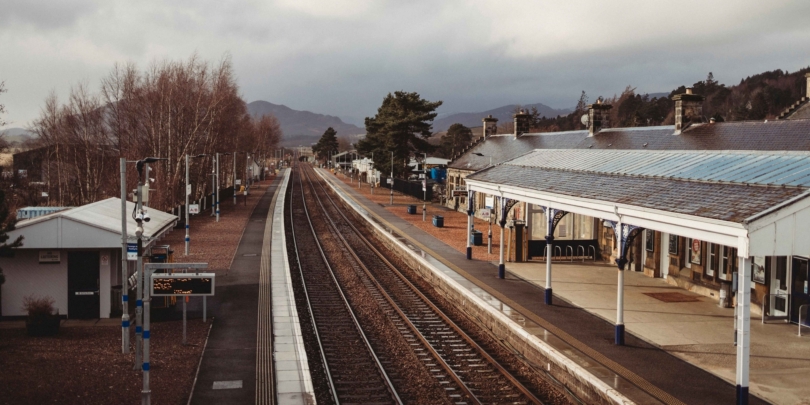
4 places to stay in the Scottish Highlands you can reach by train

Beth Tingle
5 min read
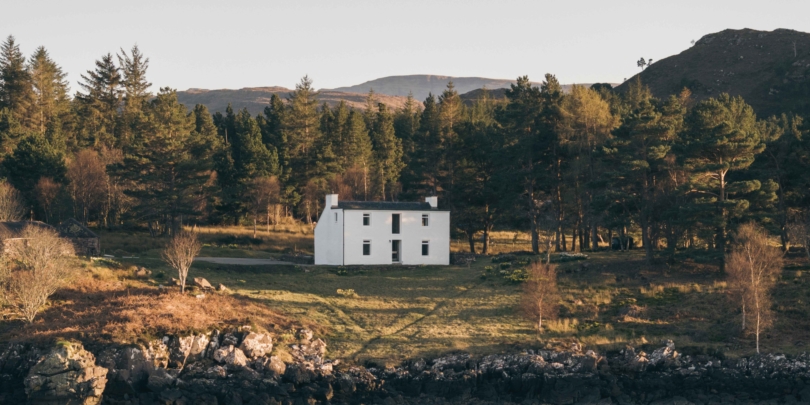
Inspector Highlands favourites: our latest awe-inspiring finds
Beth Tingle
7 min read
3 days in Edinburgh: A wheelchair accessible guide
Carrie-Ann Lightley
5 min read